Rooting for You: Your Guide to Plant Propagation and Gardening
story by Hope Cox, photos by Laura Allen and Alex Littman, design by Alex Littman
It can be overwhelming to start a garden. Questions creep up like vines.
What do I need to begin? What plants should I grow? How expensive will it be? How much maintenance is needed? Why are my crops not doing well?
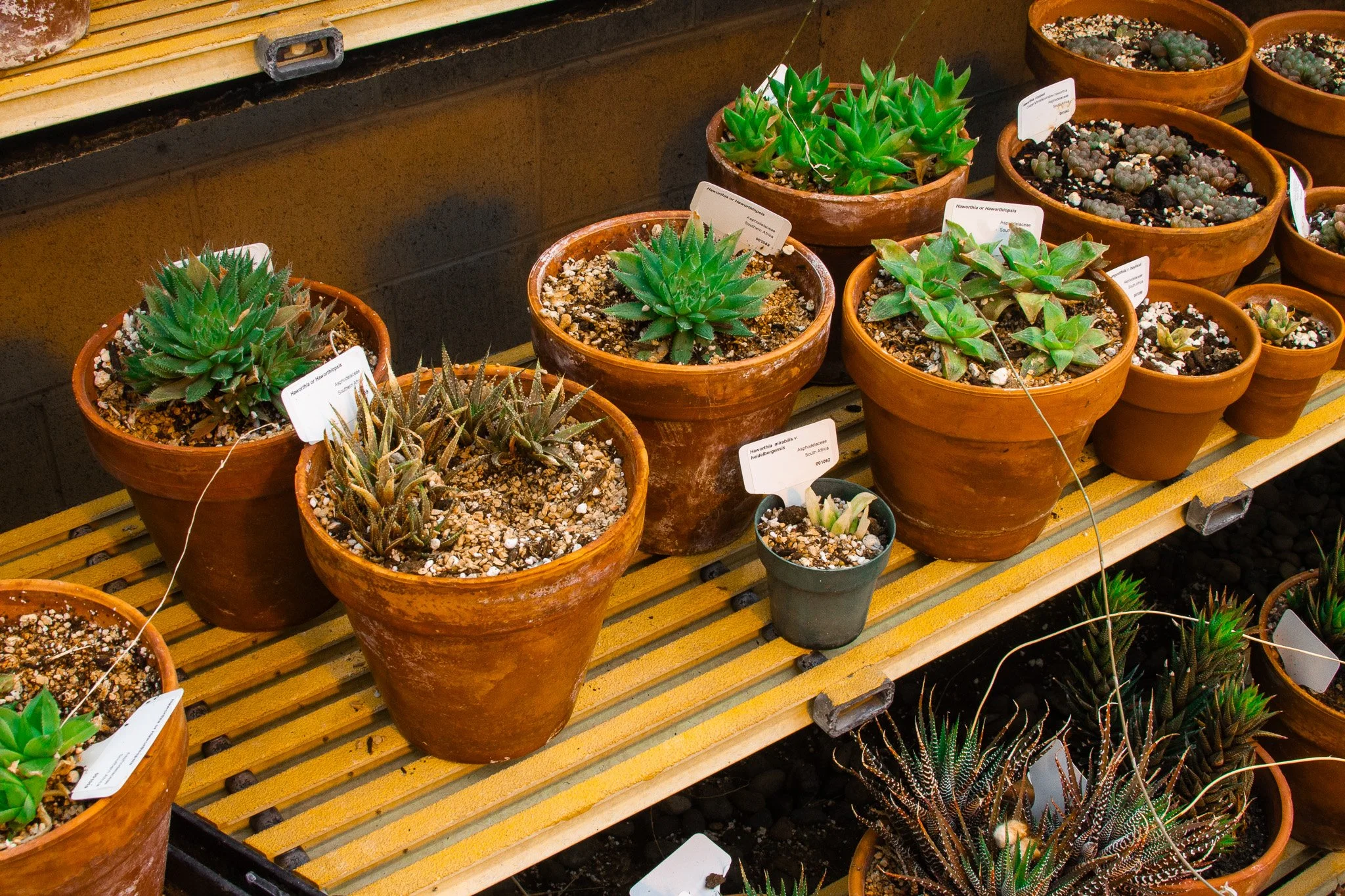
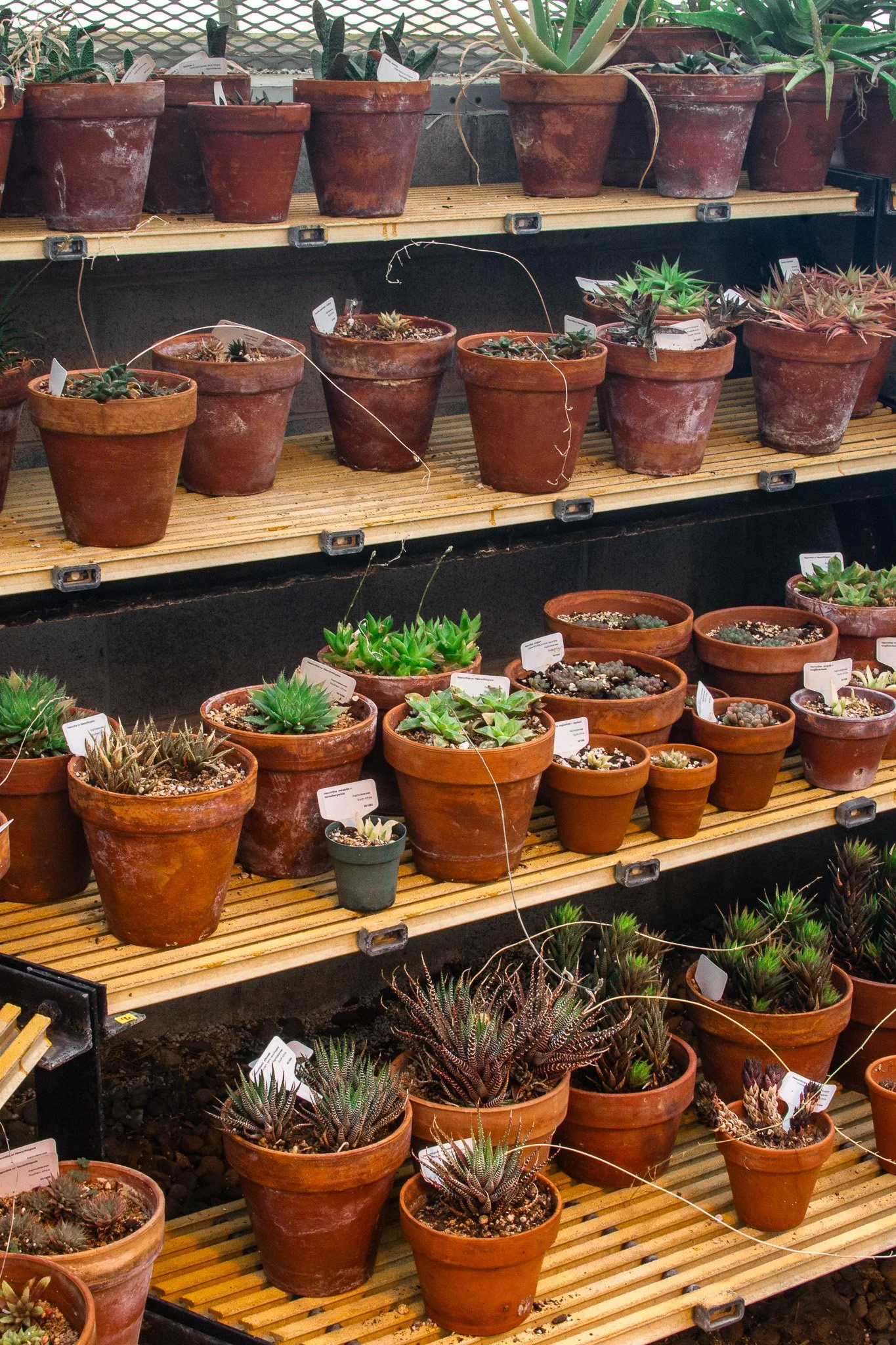
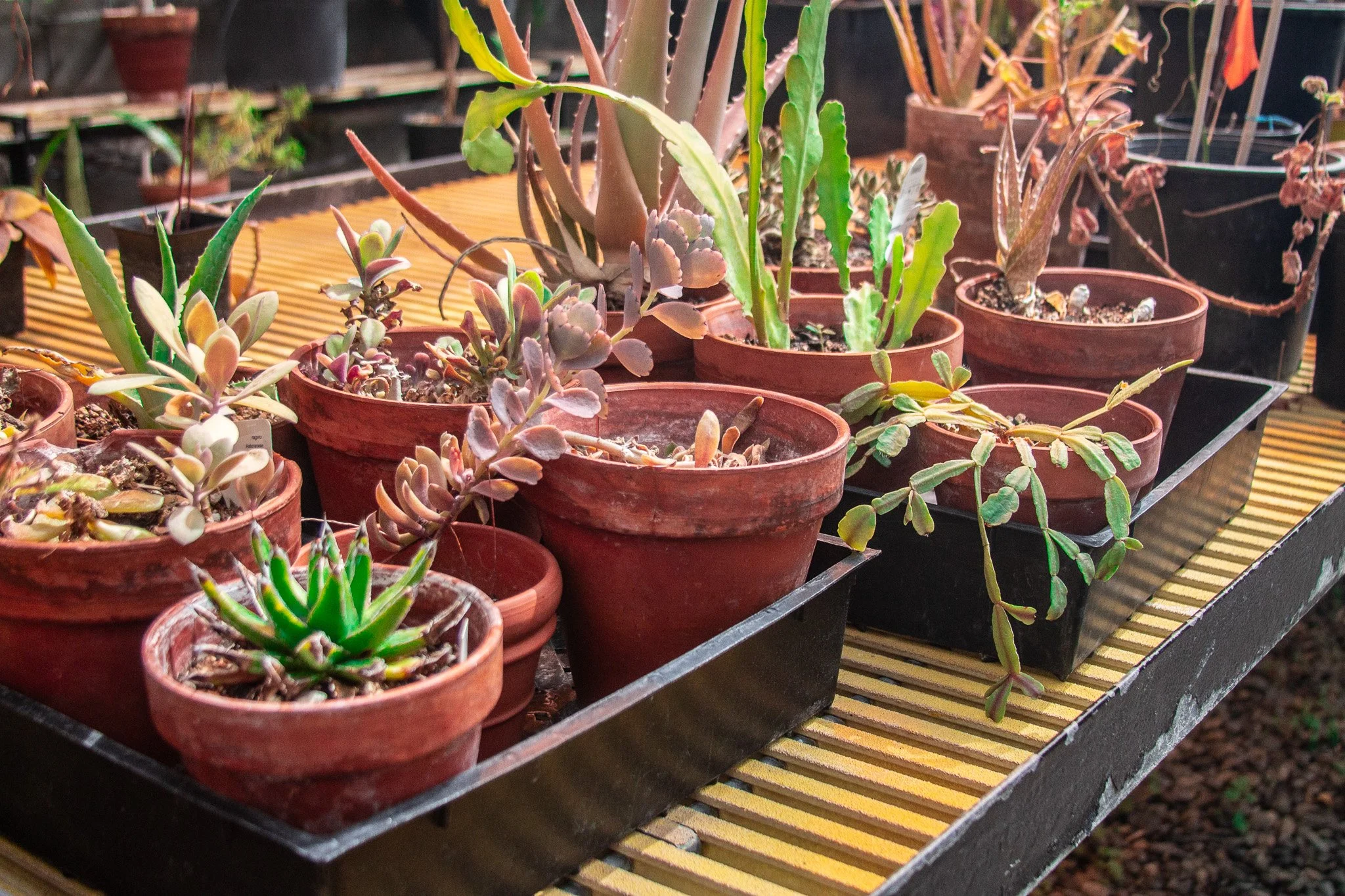
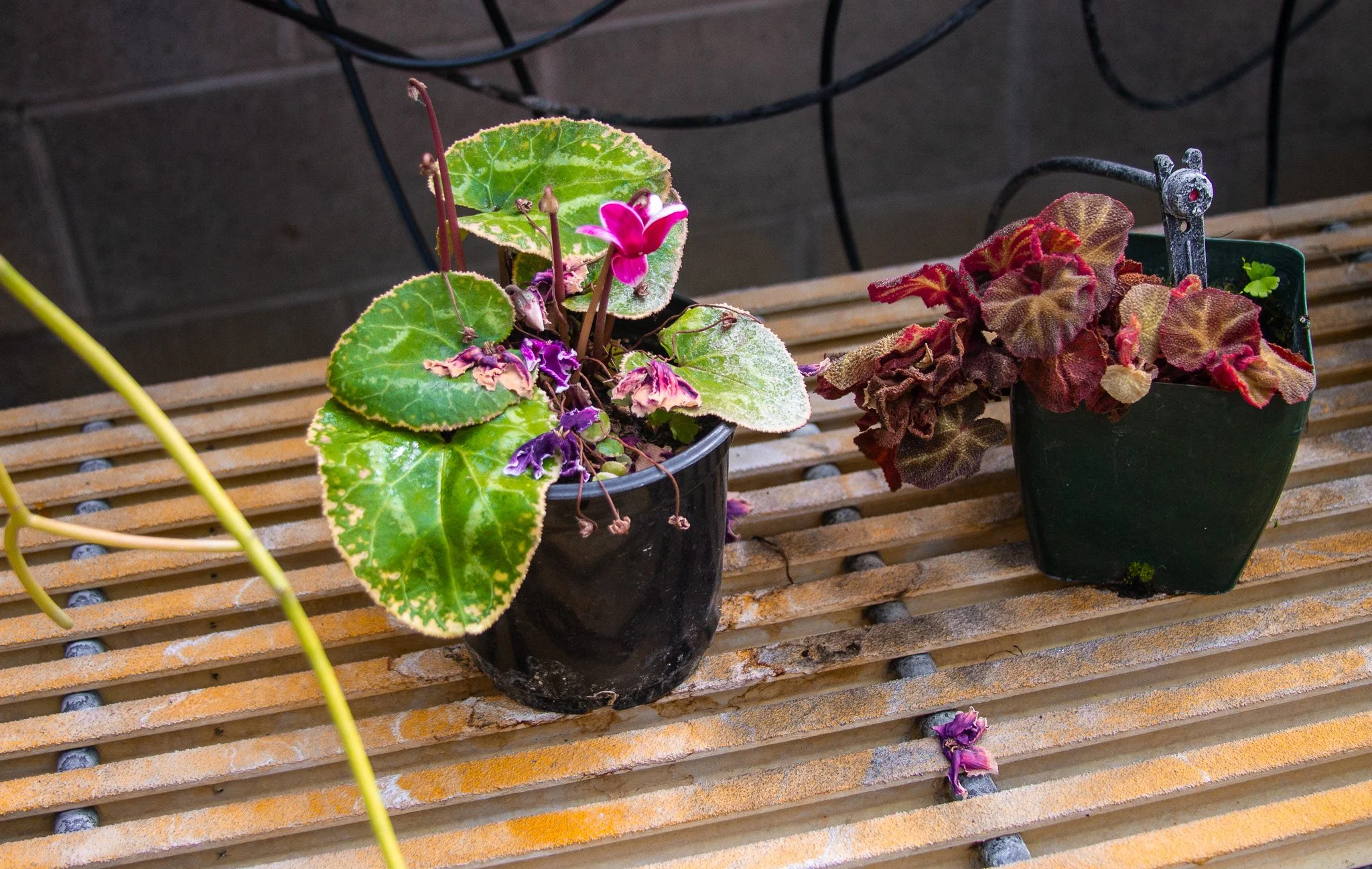
This guide will help you start your first dream garden and watch it blossom.
Benefits of Plants and Gardening
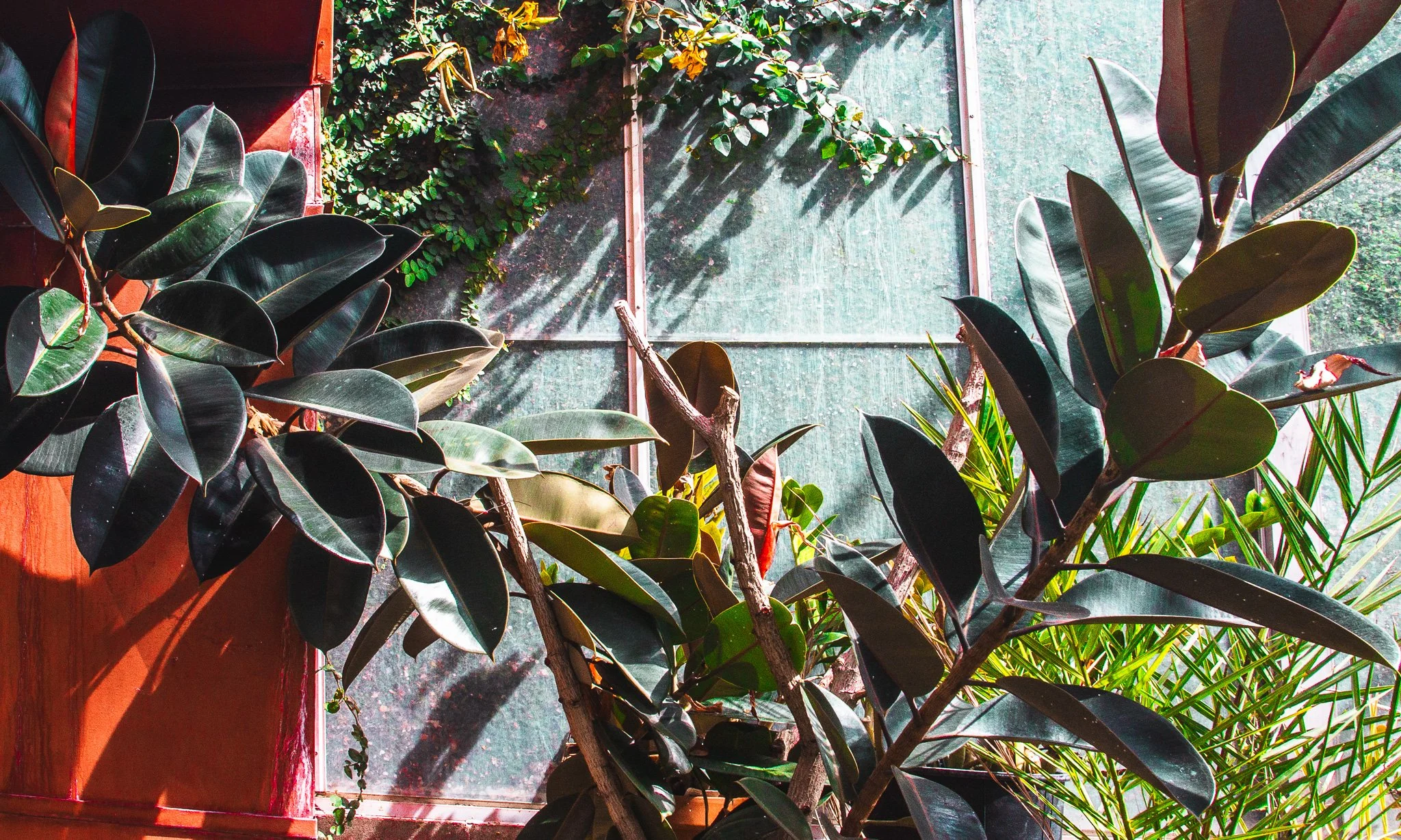
Plants offer a variety of benefits beyond food and aesthetics. CWU Greenhouse and Vivarium Manager Linnea Stavney notes the mental health, human connection to living organisms and environmental benefits of plants. “I think it helps people to connect with plants. It lets them get to know other living things… I think it's important for humans to be able to connect with other living things,” Stavney says.
“It can bring you joy,” Stavney adds. “It can give you food, plants can filter our air; they make our spaces beautiful.” Plants can improve many aspects of your life, including your mental health. As Stavney notes, many studies show the positive impacts plants can have on people. “There's been a lot of studies that have come out that have shown that people who live in greener areas with more plants around them tend to be happier.”
Not only can plants improve your health, but they can also have benefits to your finances. Nora Jacobs, an interim farm manager at the Wildcat Farm, emphasizes the affordability of raising crops. “There are so many benefits – so many awesome health benefits and benefits to the environment, but a big one is that you can grow produce very, very affordably,” Jacobs says. “I would say it's very affordable, especially if you take advantage of something like our community garden.”
Research Before You Grow
Stavney advises beginners to research before they start gardening. This can help prevent disappointment and avoid harm to plants. “I definitely recommend researching what's best for your area. If you're trying to grow something outside, you want to know what zone you're in, so you know what time of year is best to grow certain crops,” Stavney advises. “If you're growing something inside, it's less important, but you still want to take into consideration your environment. How much sun do you get in your house? How often will you remember to water your plants?”
Where to Get Your Plant Knowledge
Knowing where to acquire your plant knowledge can seem daunting at first. Stavney and Jacobs share their tips to find reliable sources.
Stavney recommends gathering your research from reputable sources such as colleges, master gardeners, museums, well-established plant nurseries and botany stores. Plant forums and social media are places where you can get information; however, it is important to double-check your information if you are not getting it from reliable sources.
Jacobs recommends two great sources for beginners: looking at the back of seed packets and interacting with gardeners in your community. “I think the back of seed packets really are very helpful, and I think we forget about that oftentimes, but they know best about what to expect from specific plants or the specific varieties of what you've just planted.”
“Other great resources, coming out somewhere like this [Wildcat Farm] and being around gardeners and people who are practicing gardening and learning about it and asking questions. I think like getting people's, getting knowledge from other people, I think is part of the fun of gardening,” Jacobs adds.
Stavney suggests staying away from AI as a research tool. “Do not trust AI. It is not a reliable source of information.” AI may seem like a good place to get a crash course in plants, but it can give misinformation or misidentify plants, so it is important to double-check any information you get from that source.
Gathering for Materials
Stavney notes that gardening can range from being very cheap to expensive, depending on how you source your materials. Stavney suggests ways to acquire inexpensive materials. “You can use old containers, like a cottage cheese container. I recommend getting a pot that can drain those. So you would want to take your container, poke some holes in the bottom, and then put it into a dish that can catch the water; that way, the roots don't get super soaked. You can put it on your windowsill.”
Stavney adds, “You can get grow lights pretty cheaply, too. If there's not enough light in your dorm, which I know sometimes happens.” You don’t always have to go out to purchase new materials for your garden. Sometimes, you can reuse old material lying around your home to save money.
A Mini Guide to Plants
With so many plant options to choose from, it can be hard to know which plant to grow. Stavney and Jacobs give their plant recommendations.
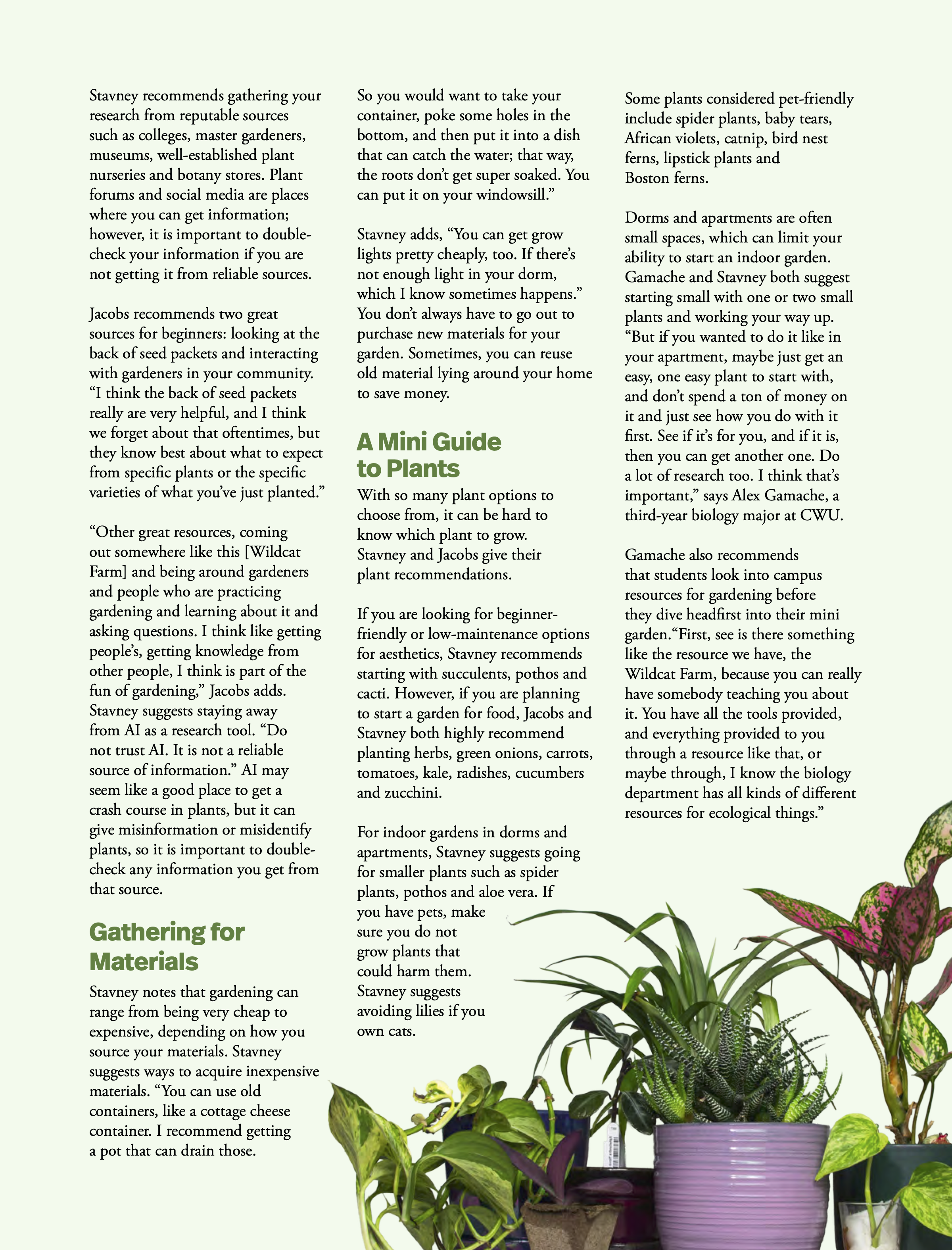
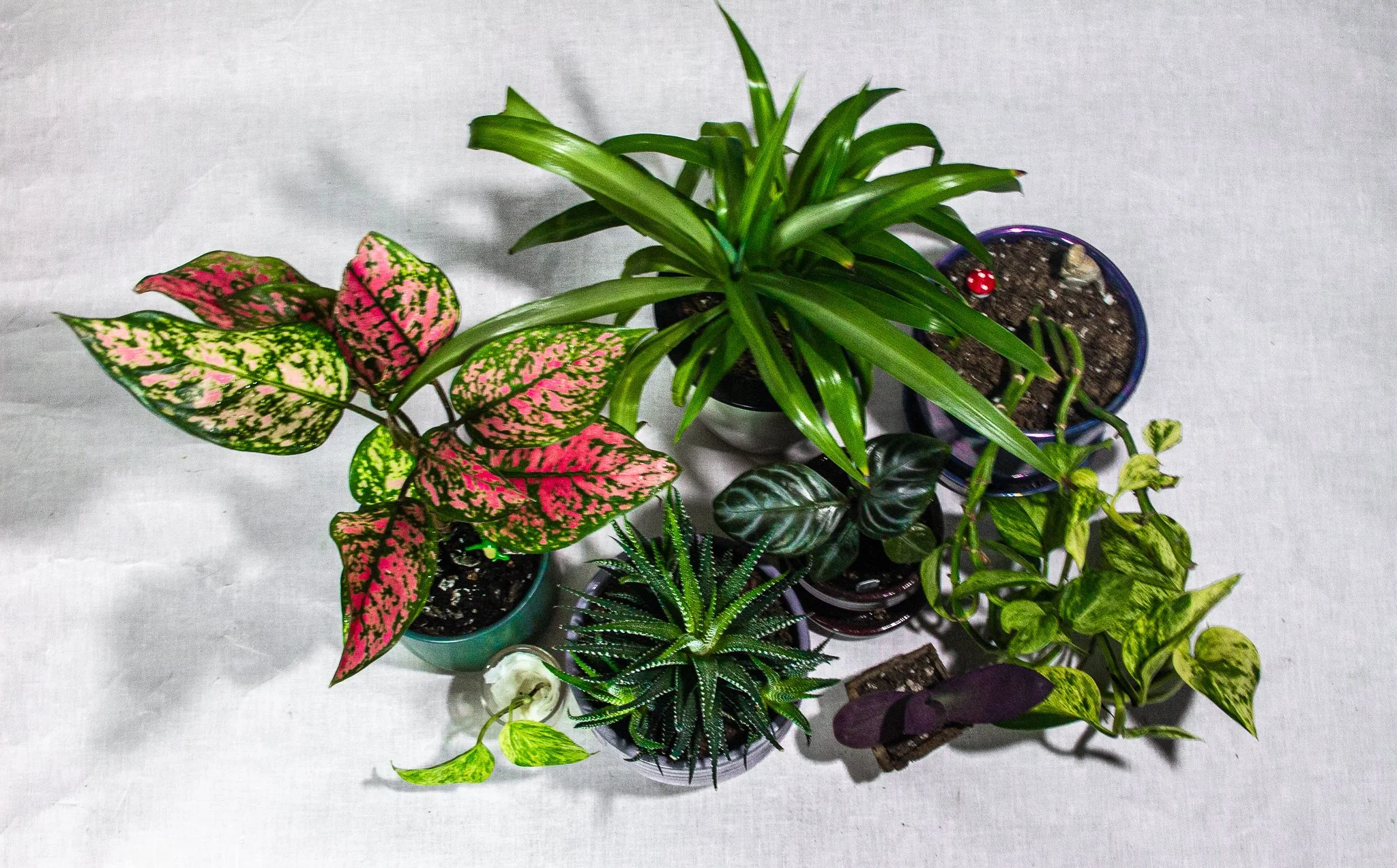
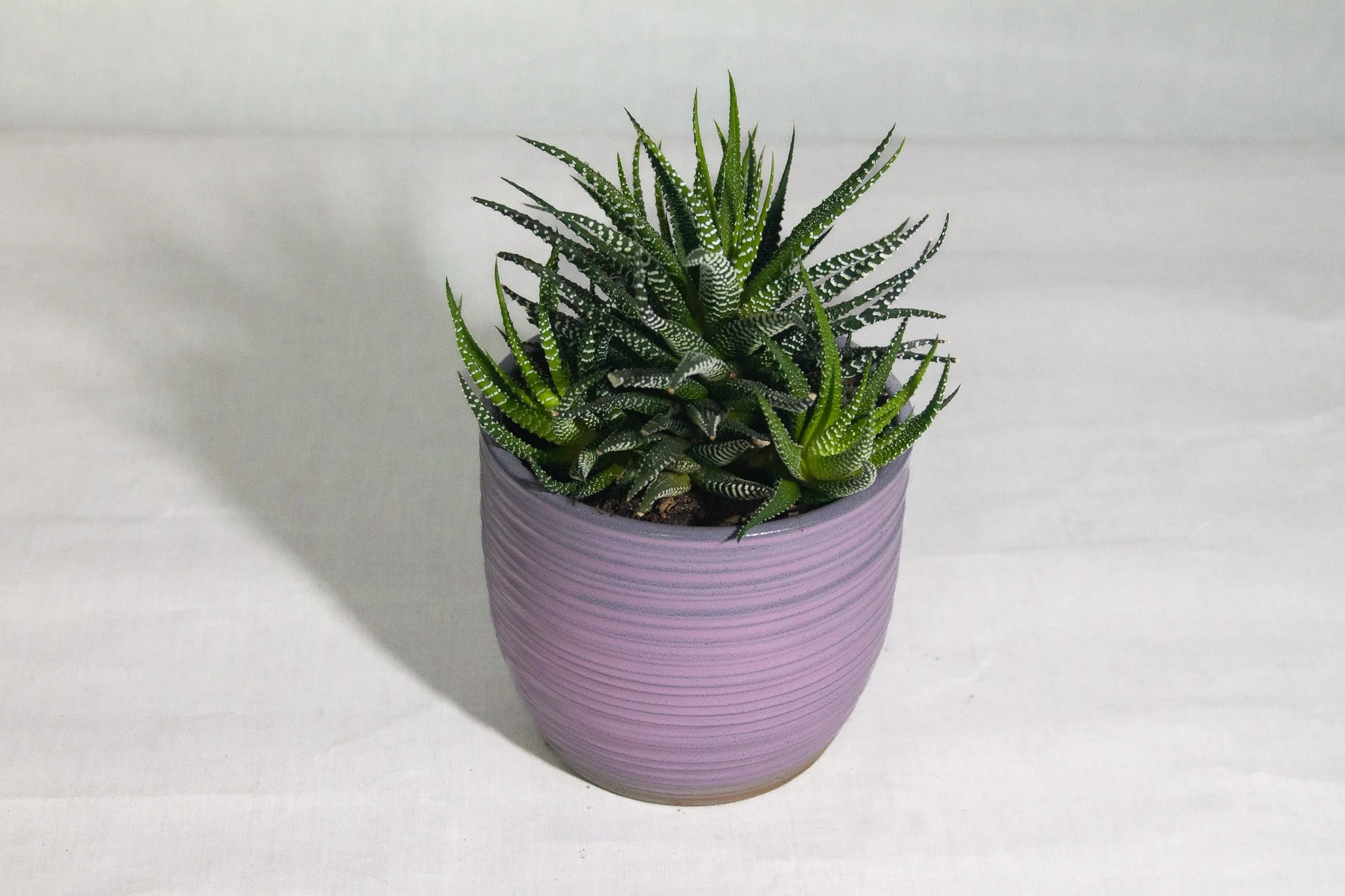
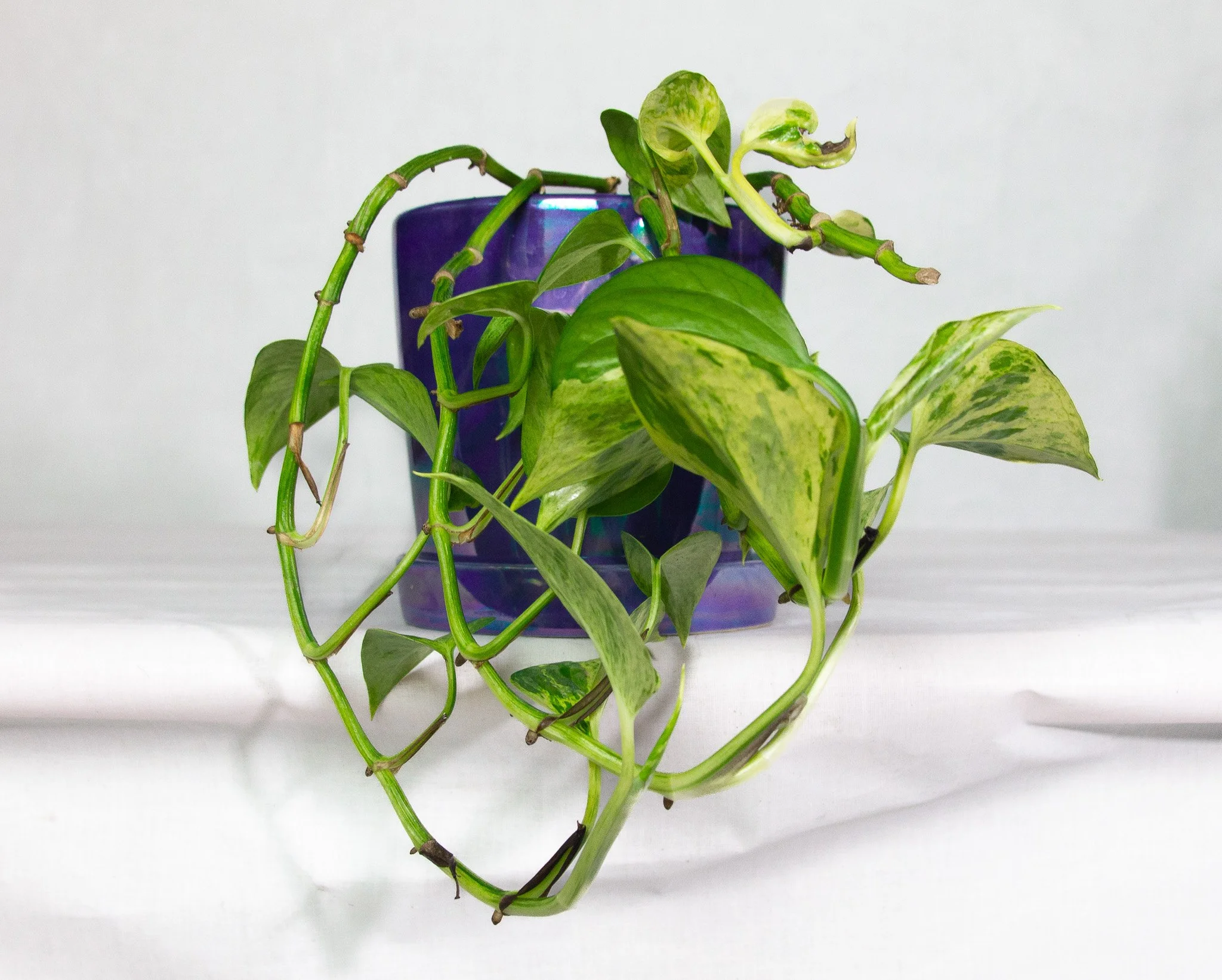
If you are looking for beginner-friendly or low-maintenance options for aesthetics, Stavney recommends starting with succulents, pothos and cacti. However, if you are planning to start a garden for food, Jacobs and Stavney both highly recommend planting herbs, green onions, carrots, tomatoes, kale, radishes, cucumbers and zucchini.
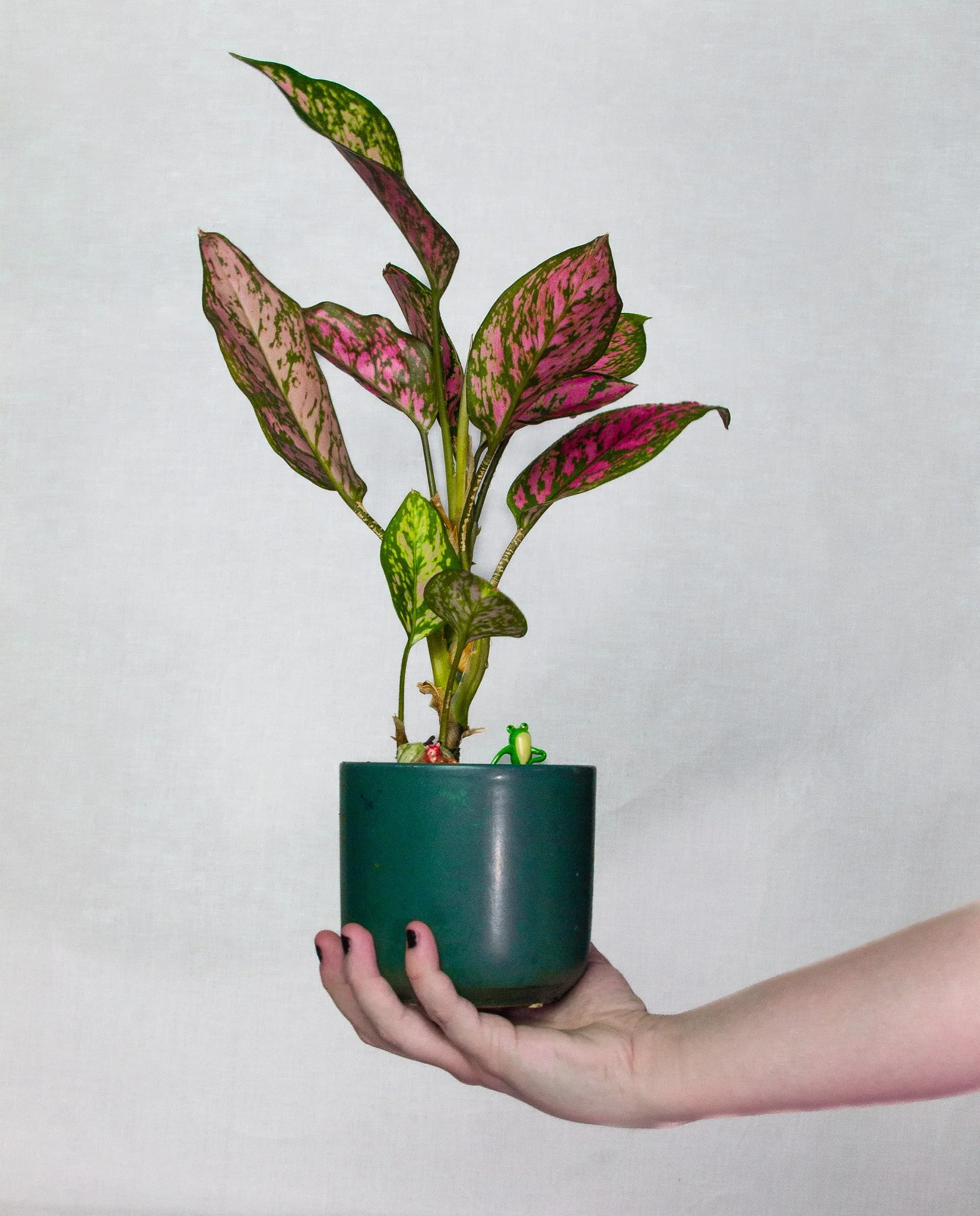
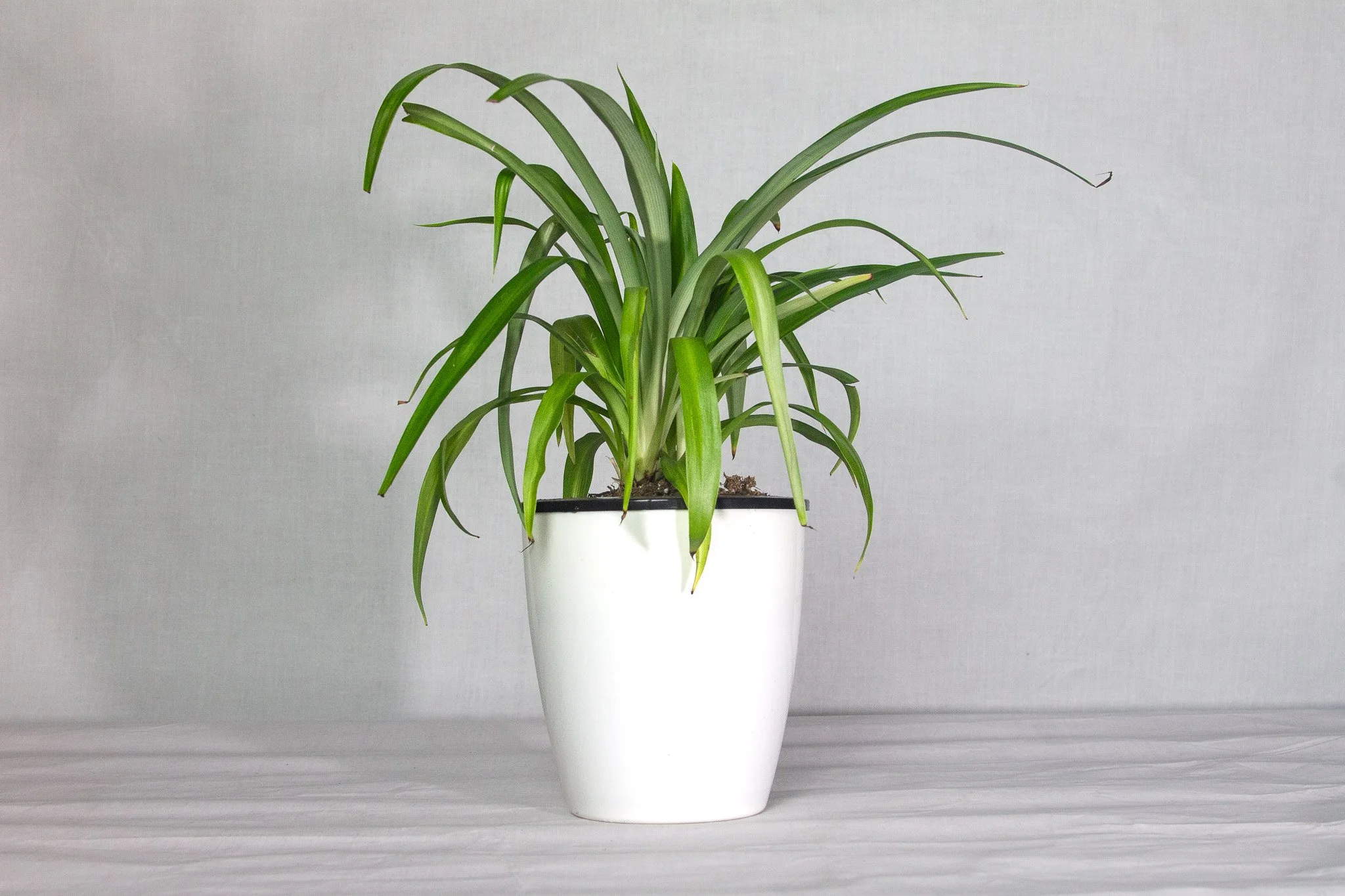
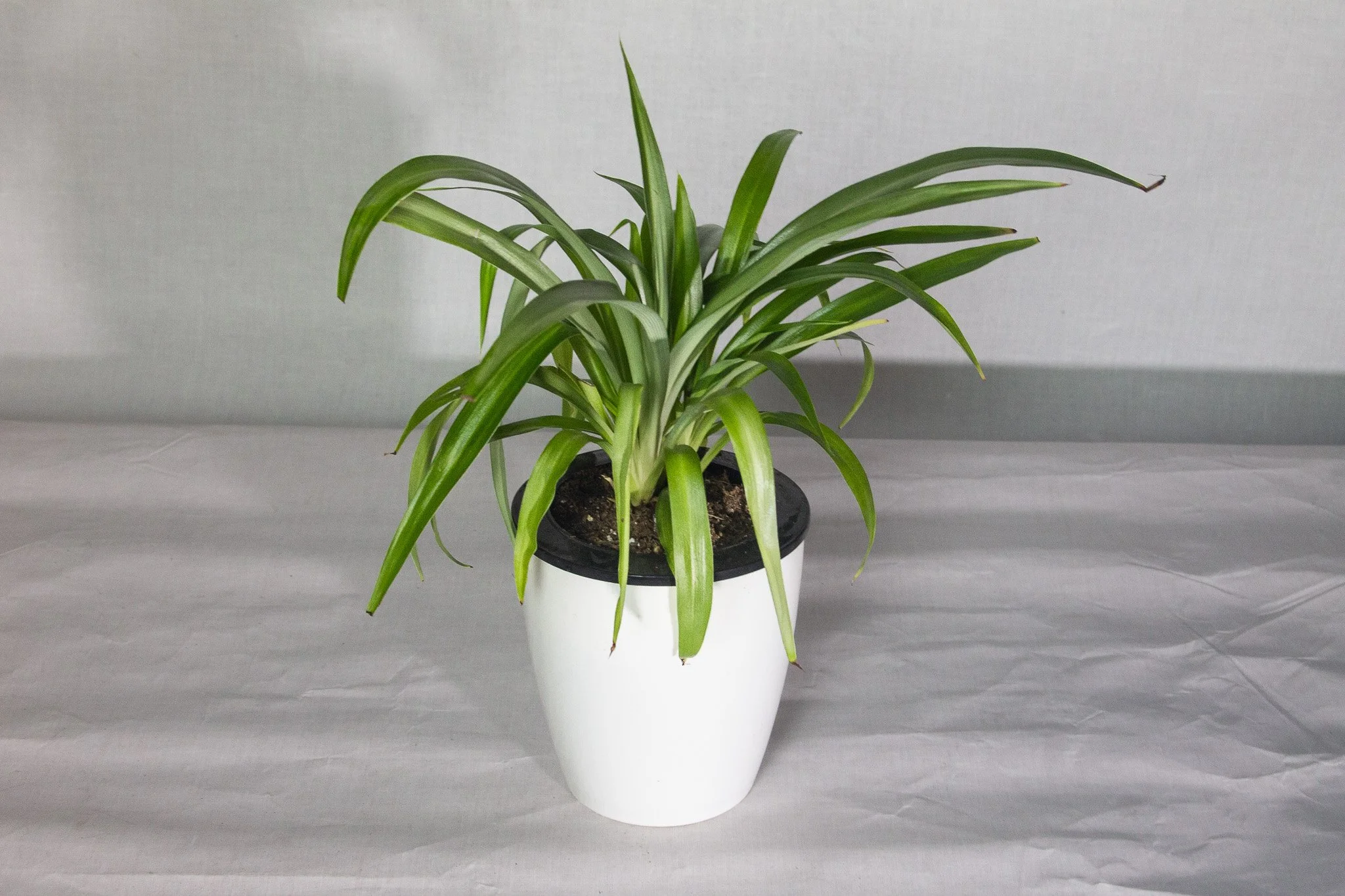
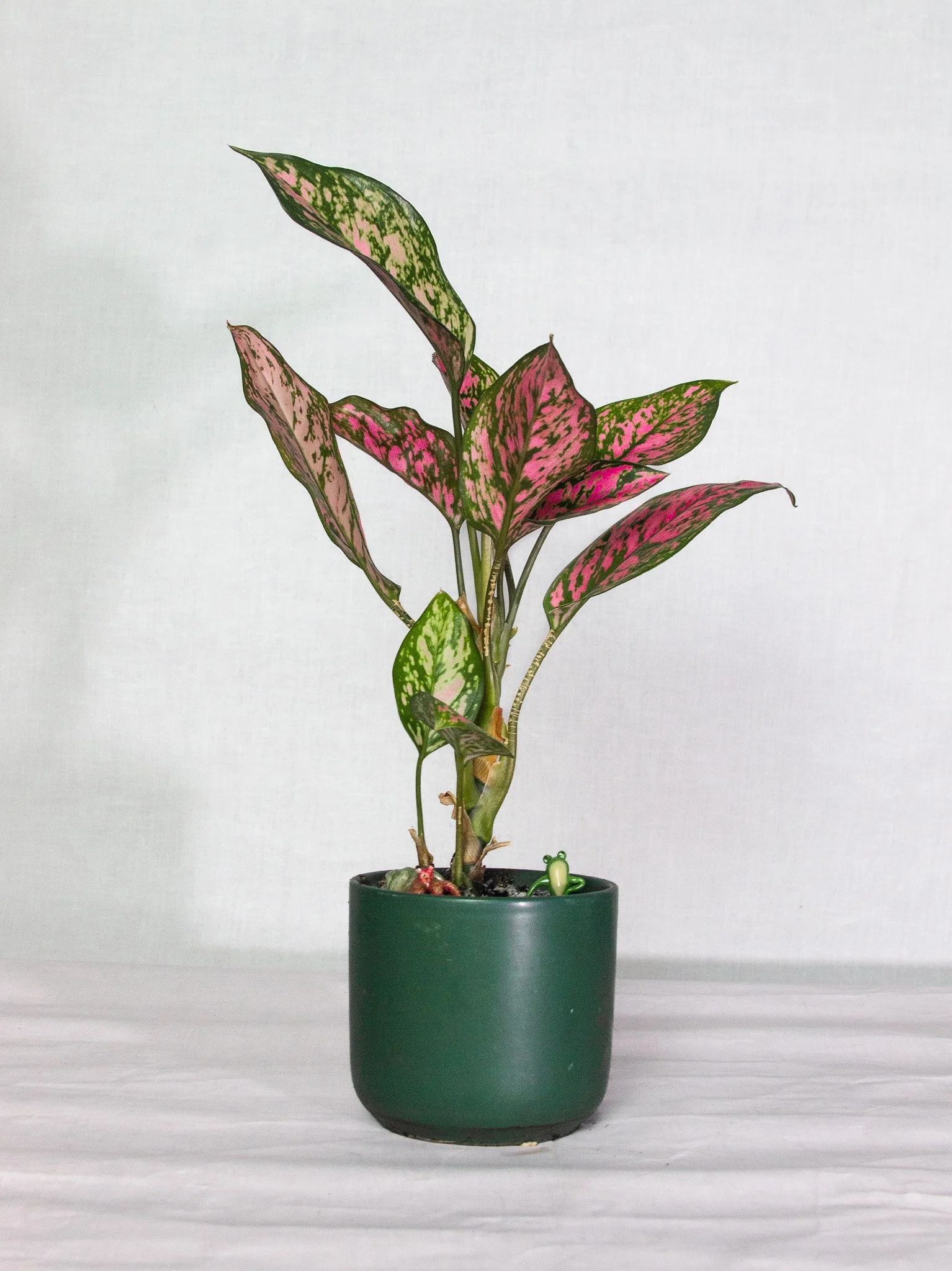
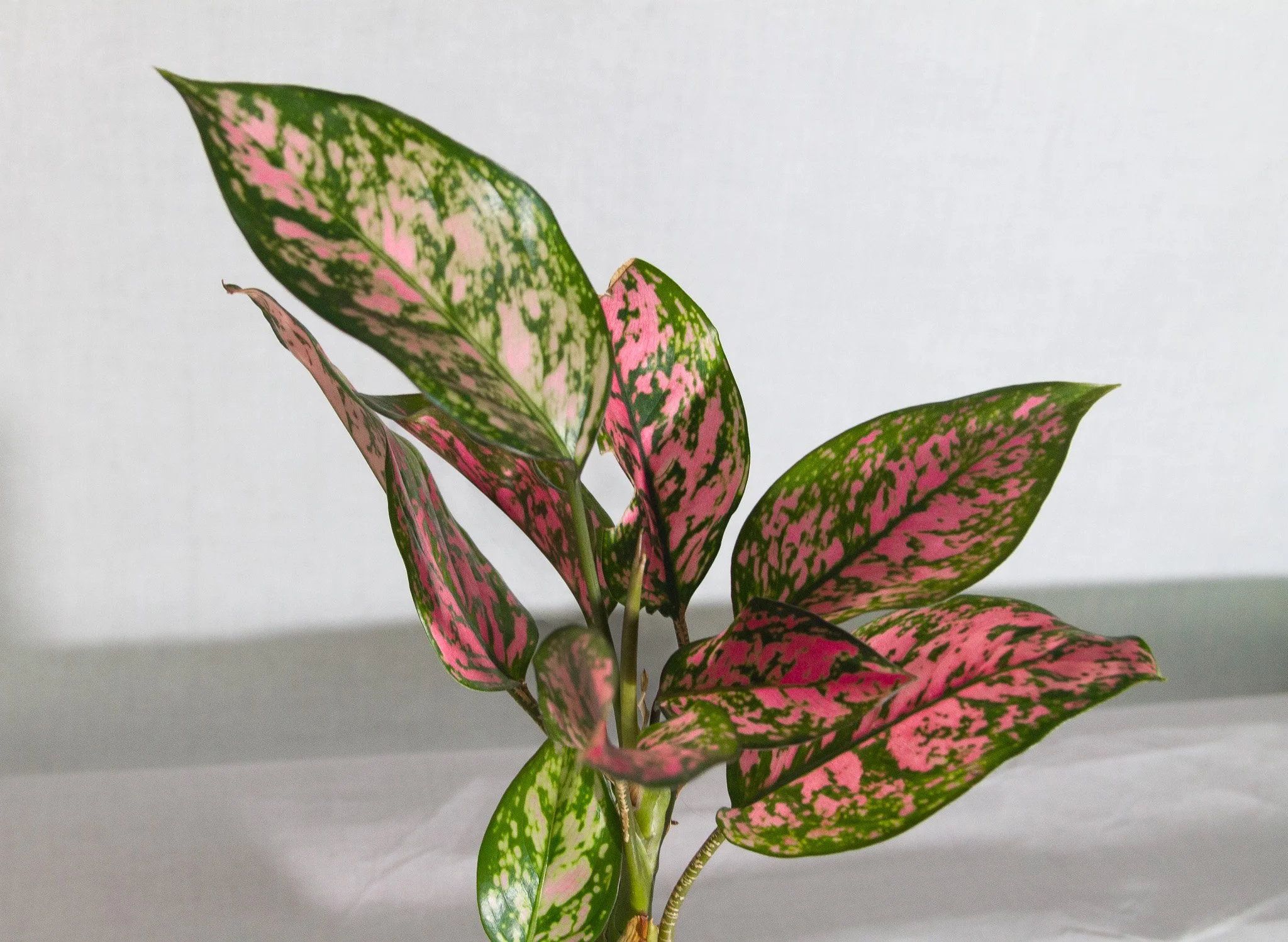
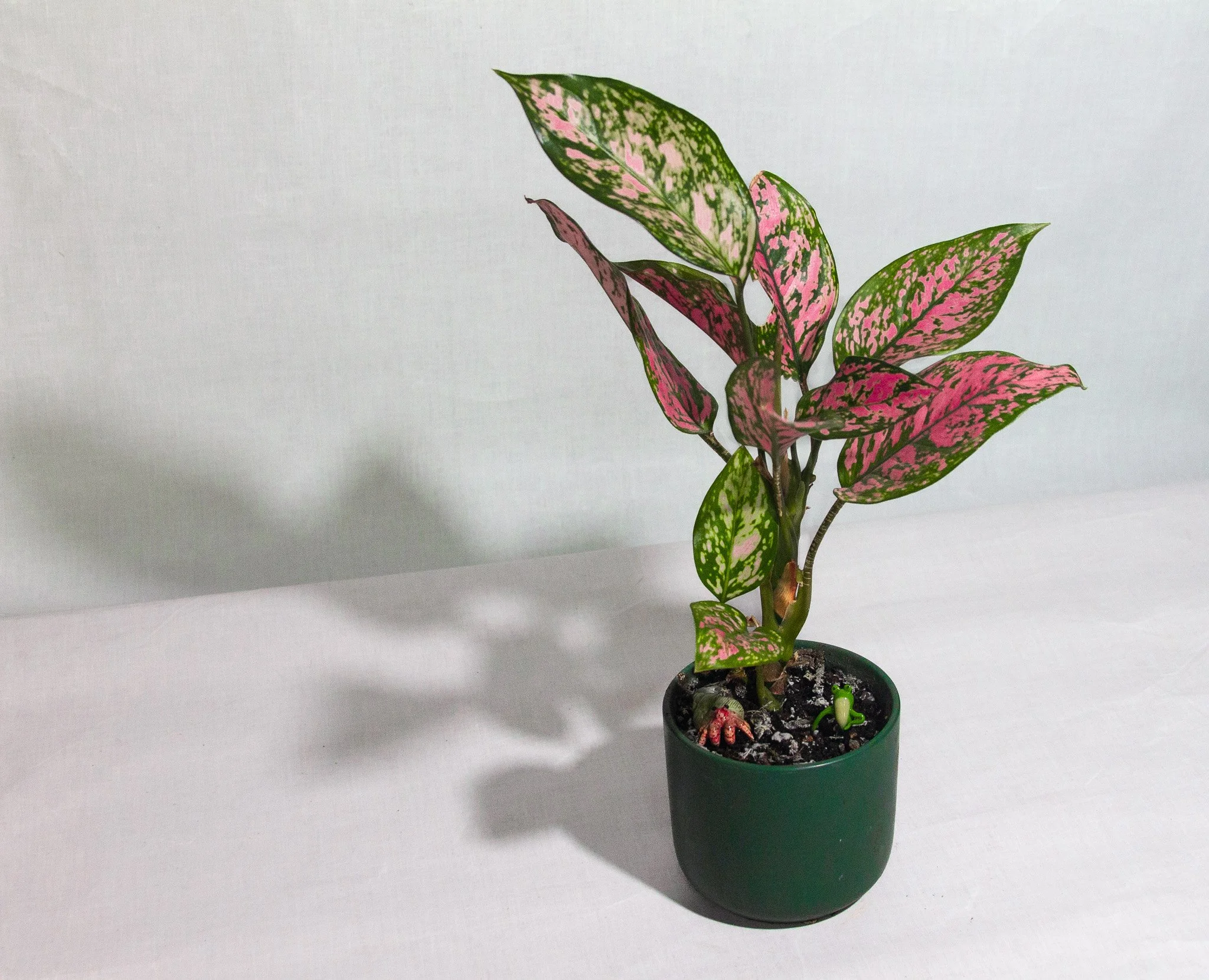
For indoor gardens in dorms and apartments, Stavney suggests going for smaller plants such as spider plants, pothos and aloe vera. If you have pets, make sure you do not grow plants that could harm them. Stavney suggests avoiding lilies if you own cats. Some plants considered pet-friendly include spider plants, baby tears, African violets, catnip, bird nest ferns, lipstick plants and Boston ferns.
Dorms and apartments are often small spaces, which can limit your ability to start an indoor garden. Gamache and Stavney both suggest starting small with one or two small plants and working your way up. “But if you wanted to do it like in your apartment, maybe just get an easy, one easy plant to start with, and don't spend a ton of money on it and just see how you do with it first. See if it's for you, and if it is, then you can get another one. Do a lot of research too. I think that's important,” says Alex Gamache, a third-year biology major at CWU.
Gamache also recommends that students look into campus resources for gardening before they dive headfirst into their mini garden.“First, see is there something like the resource we have, the Wildcat Farm, because you can really have somebody teaching you about it. You have all the tools provided, and everything provided to you through a resource like that, or maybe through, I know the biology department has all kinds of different resources for ecological things.”

Plant Propagation and Growing from Seeds
Steps for Sexual Propagation (Seeds)
Gathering Your Seeds: Choose high-quality seeds from reputable sources, such as botany stores, farm supply stores or local gardening centers. You may also harvest seeds from other plants in your garden or store-bought vegetables and fruits.
Preparing the Seeds: Review the planting instructions on the back of the seed packet or conduct online research before planting. Some seeds have hard coatings and require light scratching (scarification). On the other hand, some seeds will need a cold treatment (stratification) to germinate.
Sowing: Check the back of the packet for the planting depth. If there are no instructions for seed depth, then plant it twice the seed’s width. Plant the seed in a sterile seed-starting mixture that drains well. You should be able to find this at most stores that sell plants for around $5.00 to $15.00 per small to medium-sized bag.
Environment: It is important to maintain a consistent moist environment and provide indirect light (window sill). A warm environment is important; however, it is crucial to ensure the seeds do not dry out. If the seeds dry, their coats may harden, preventing them from germinating.
Transplanting: After the seedlings' true leaves (the second set of leaves) sprout, they are ready to be transplanted into larger containers or into the garden.
Methods for Asexual Propagation (Vegetative)
Growing Media
According to PennState Extension, garden soil and compost may not always be the best materials to use because they could contain weed seeds or pathogens, and are not able to aerate as well as needed for successful propagation. Other materials that can be used during propagation are water (for leaves, stem tips, branch tips, and stem sections), sand, vermiculite, perlite and bark.
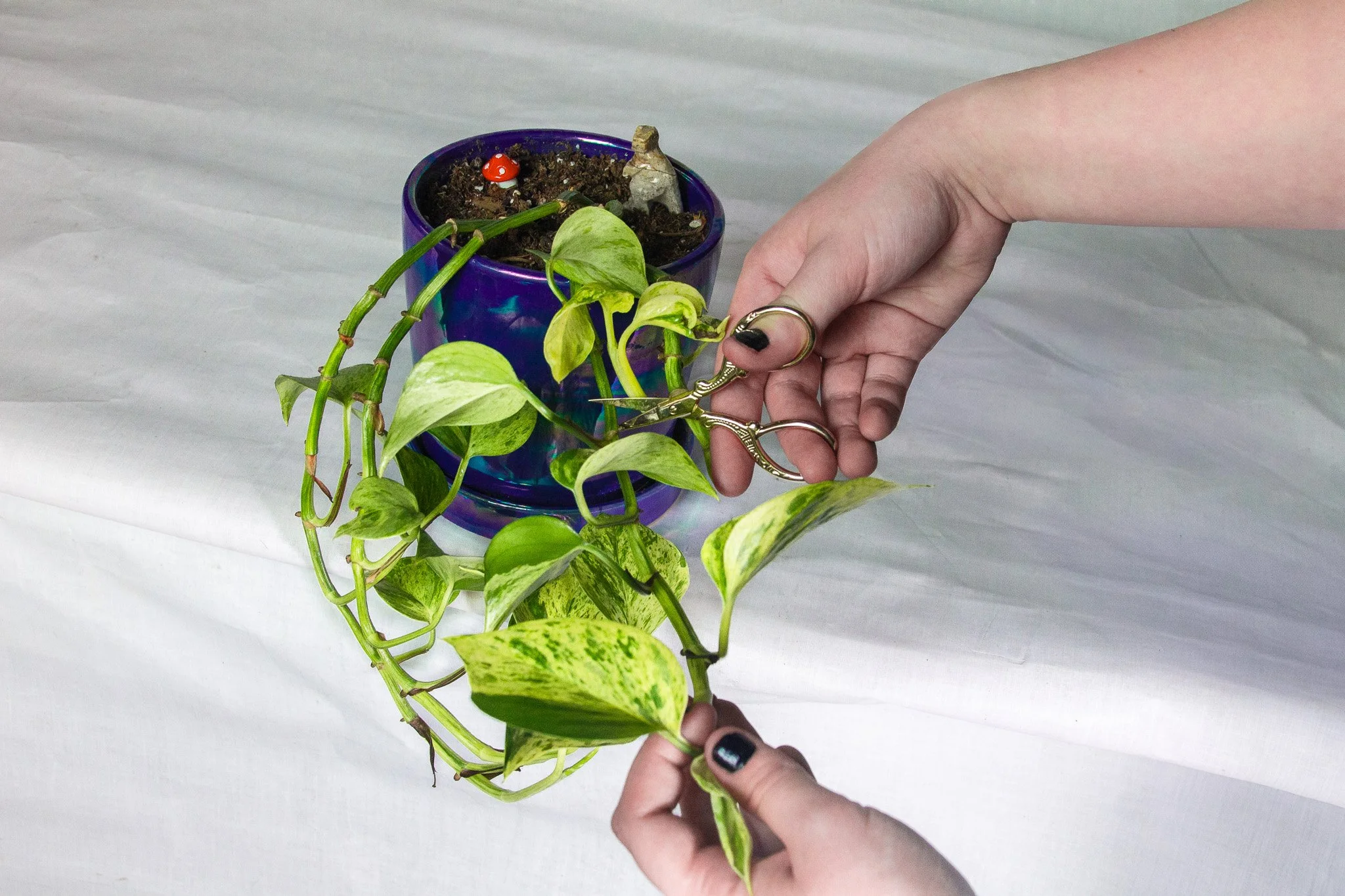
Stem Cuttings
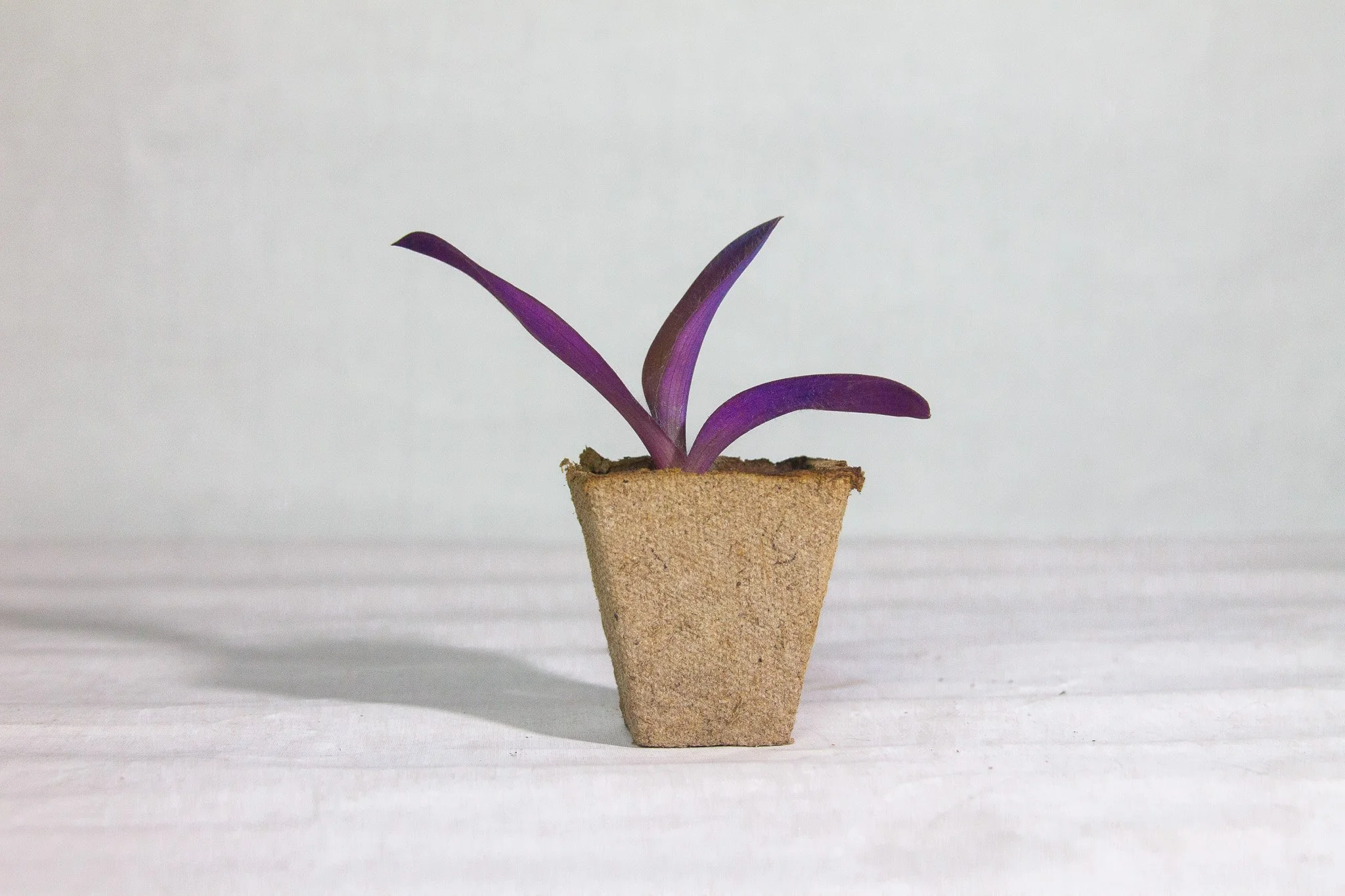
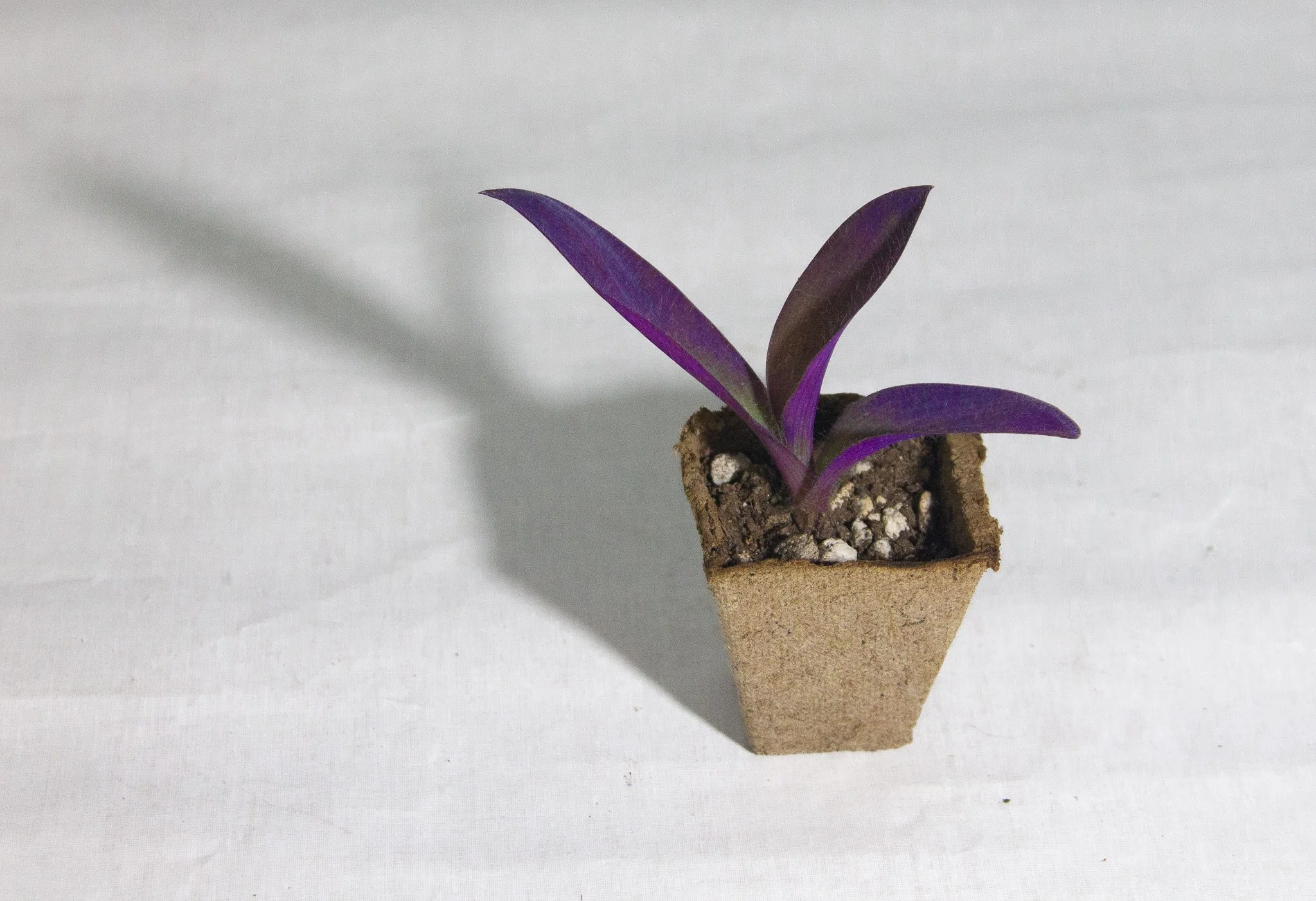
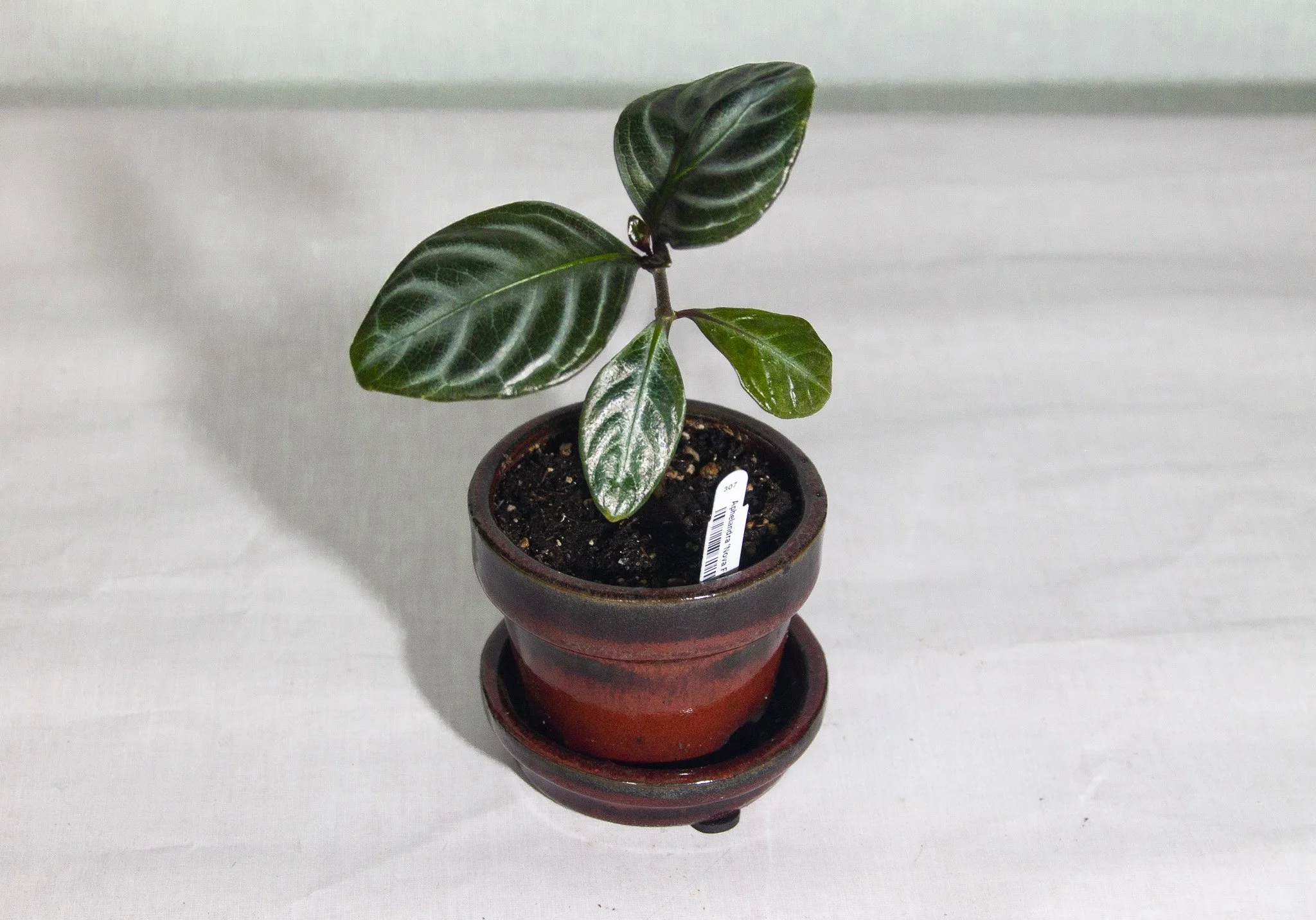
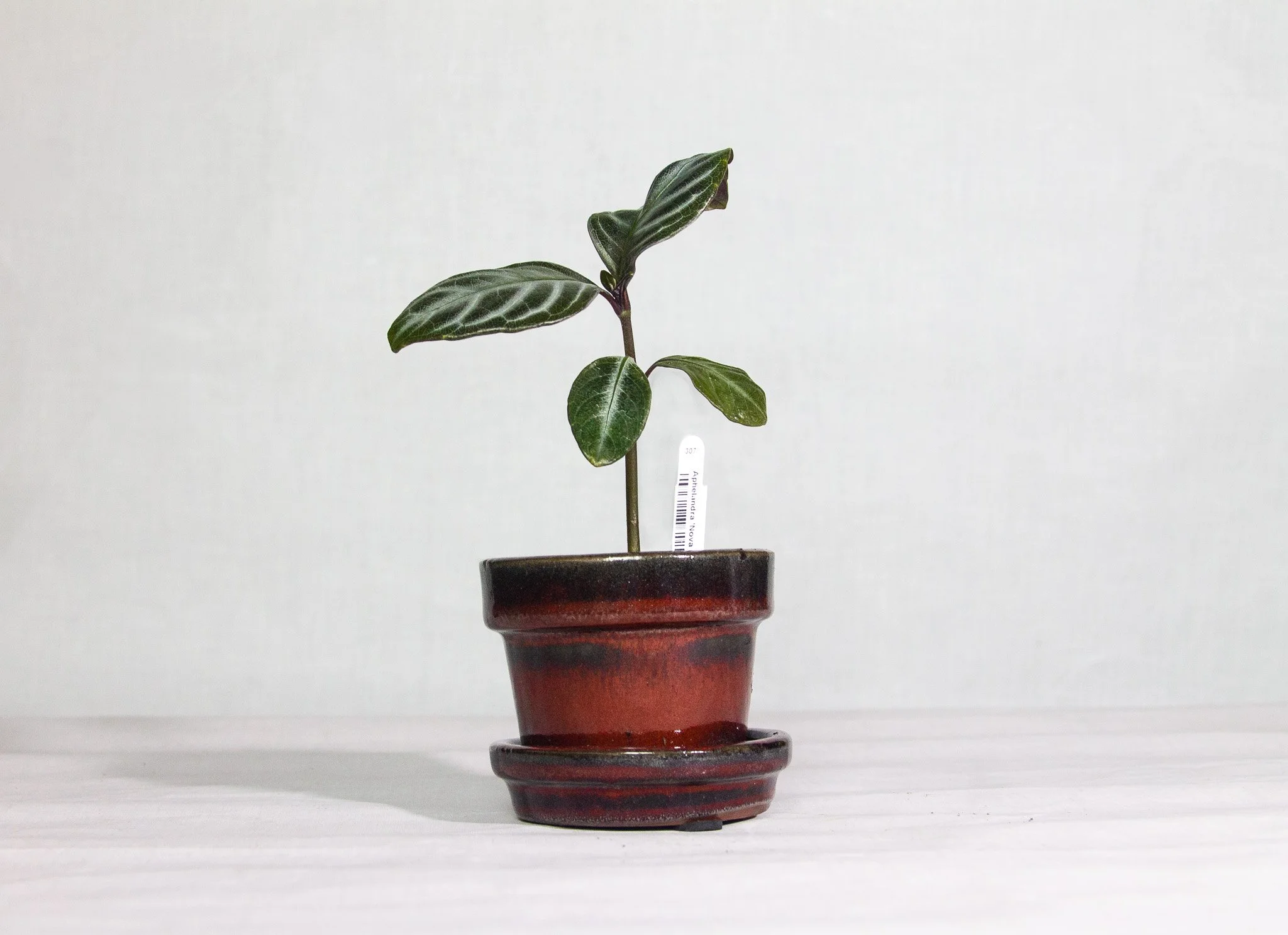
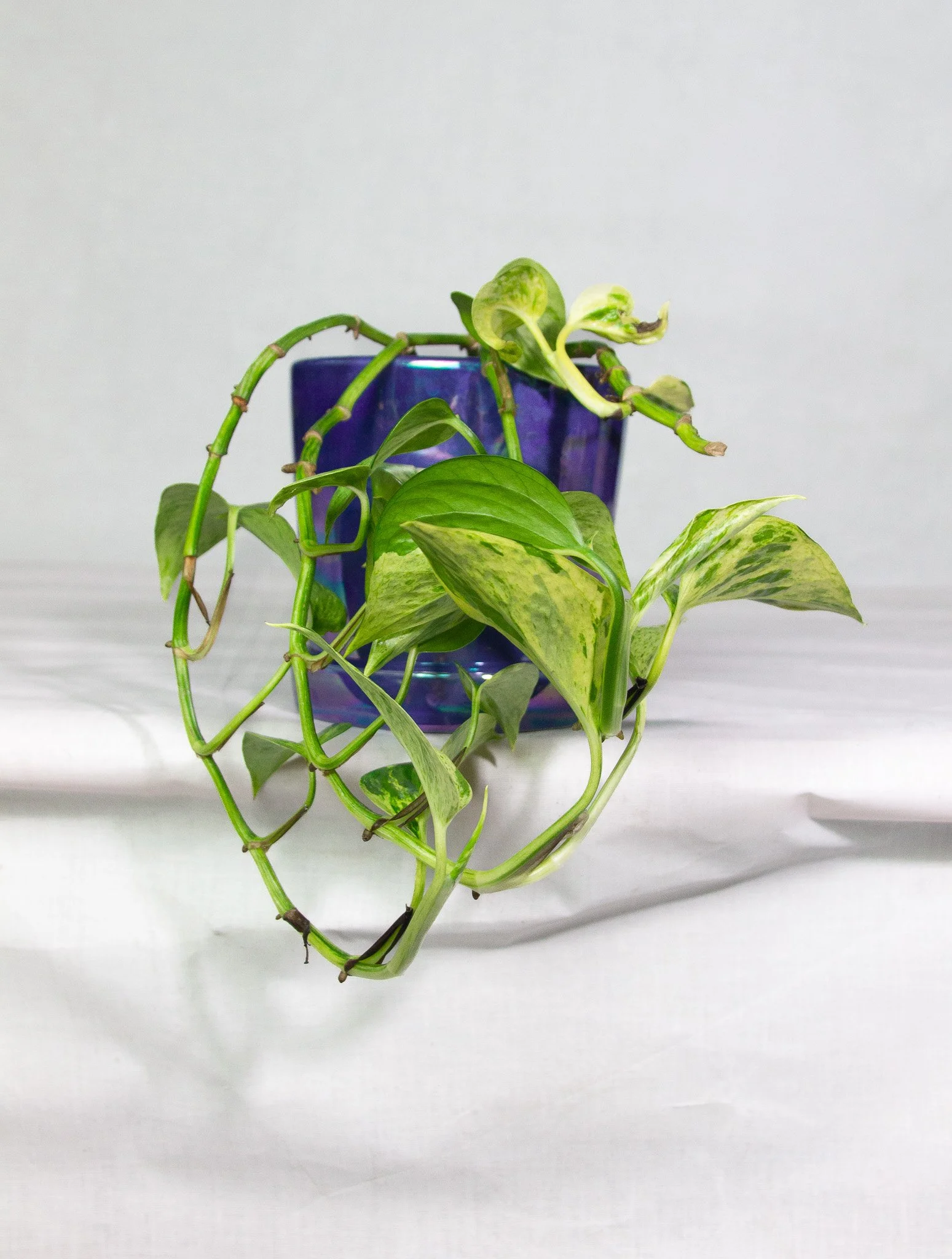
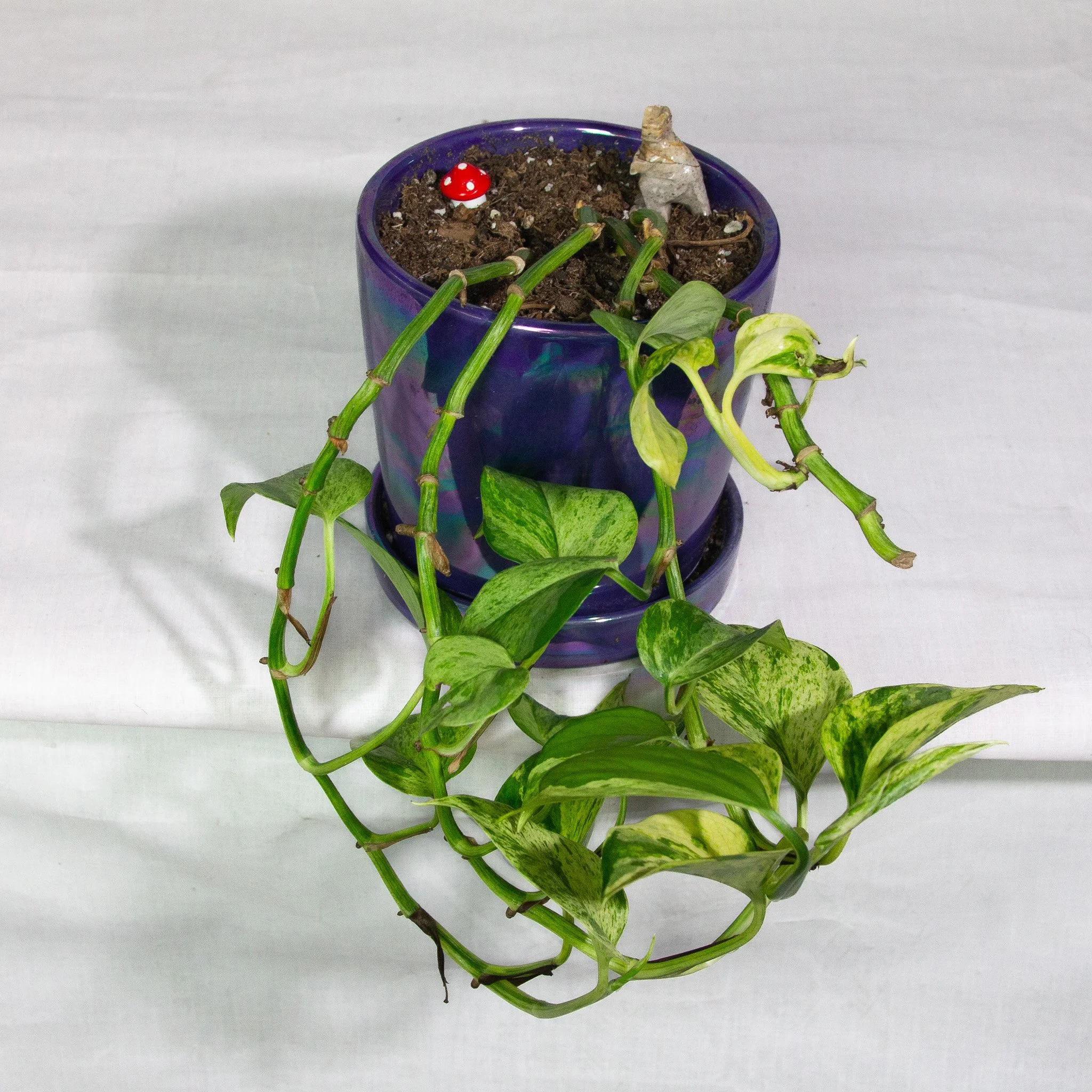
It is crucial to start with a healthy plant. Make sure to stay away from stems that are soft yellow, black and mushy areas, which can be signs of an unhealthy plant. Cut a 2 to 6 inch portion depending on the stem wood type, ensuring there are at least two nodes (where the leaves attach).
Remove the lower leaves that may come in contact with the rooting hormone. You can buy the rooting hormone online or at a nursery, and it typically comes in a liquid or powder form. Dip the cut end of the stem into rooting hormone, then take a pencil or small stick, inserting it in your growing media before placing the stem in.
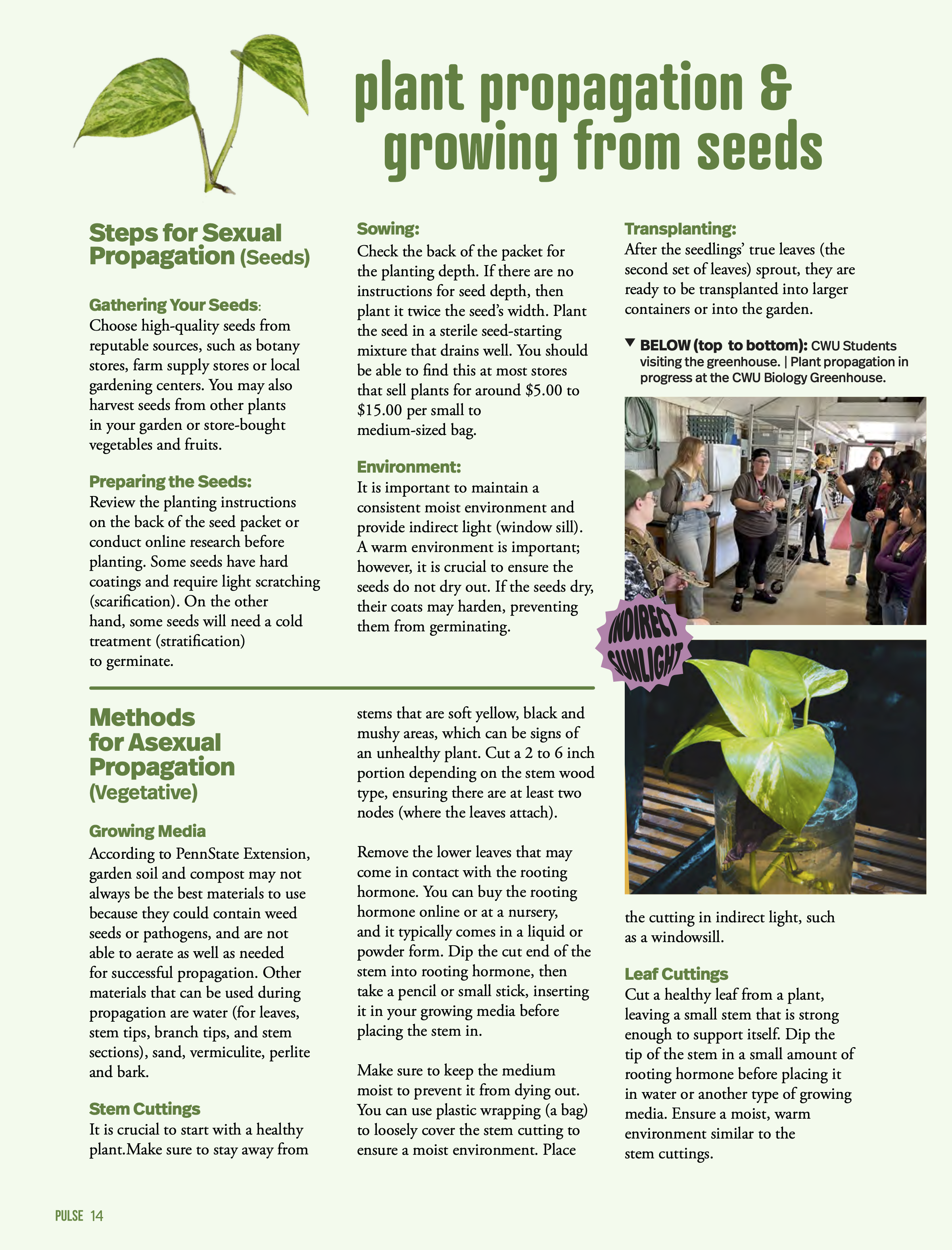
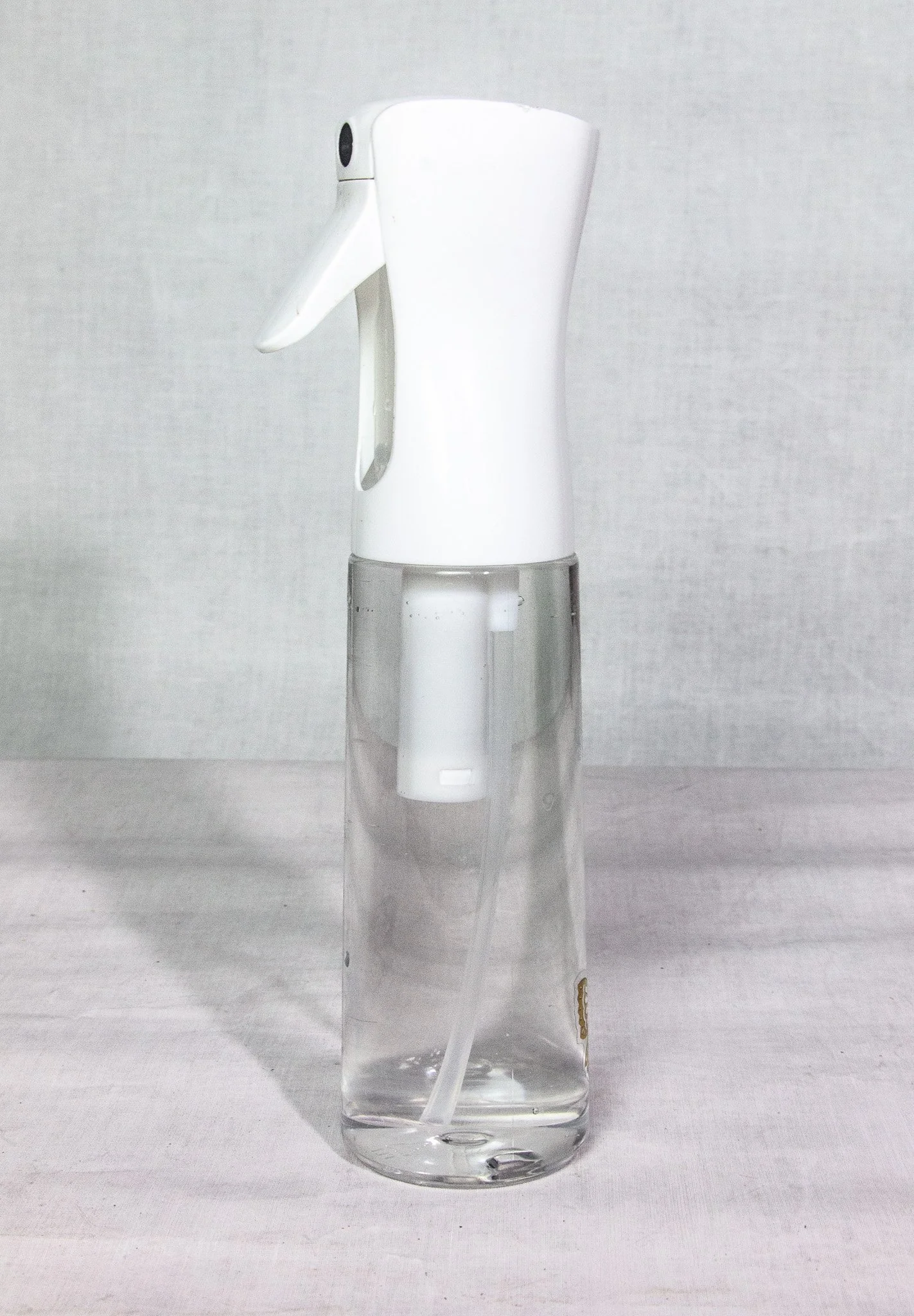
Make sure to keep the medium moist to prevent it from dying out. You can use plastic wrapping (a bag) to loosely cover the stem cutting to ensure a moist environment. Place the cutting in indirect light, such as a windowsill.
Leaf Cuttings
Cut a healthy leaf from a plant, leaving a small stem that is strong enough to support itself. Dip the tip of the stem in a small amount of rooting hormone before placing it in water or another type of growing media. Ensure a moist, warm environment similar to the stem cuttings.
How to Tell If Your Plants Are Not Doing Well
Sometimes plants do not do well, and it is important to know the signs before it’s too late. Stavney offers some advice on how to tell if your plant friends are unwell.
Pests are one of the many aspects you need to watch out for when caring for your plants.“If you see little insects, the little white fluffs, little webs, spots or browning parts, you might have a pest. It's natural for some leaves to kind of brown and die off, but if you see a lot of that happening to your plant, or a new leaf grows, and then it immediately starts looking off, then you might have pests,” says Stavney.
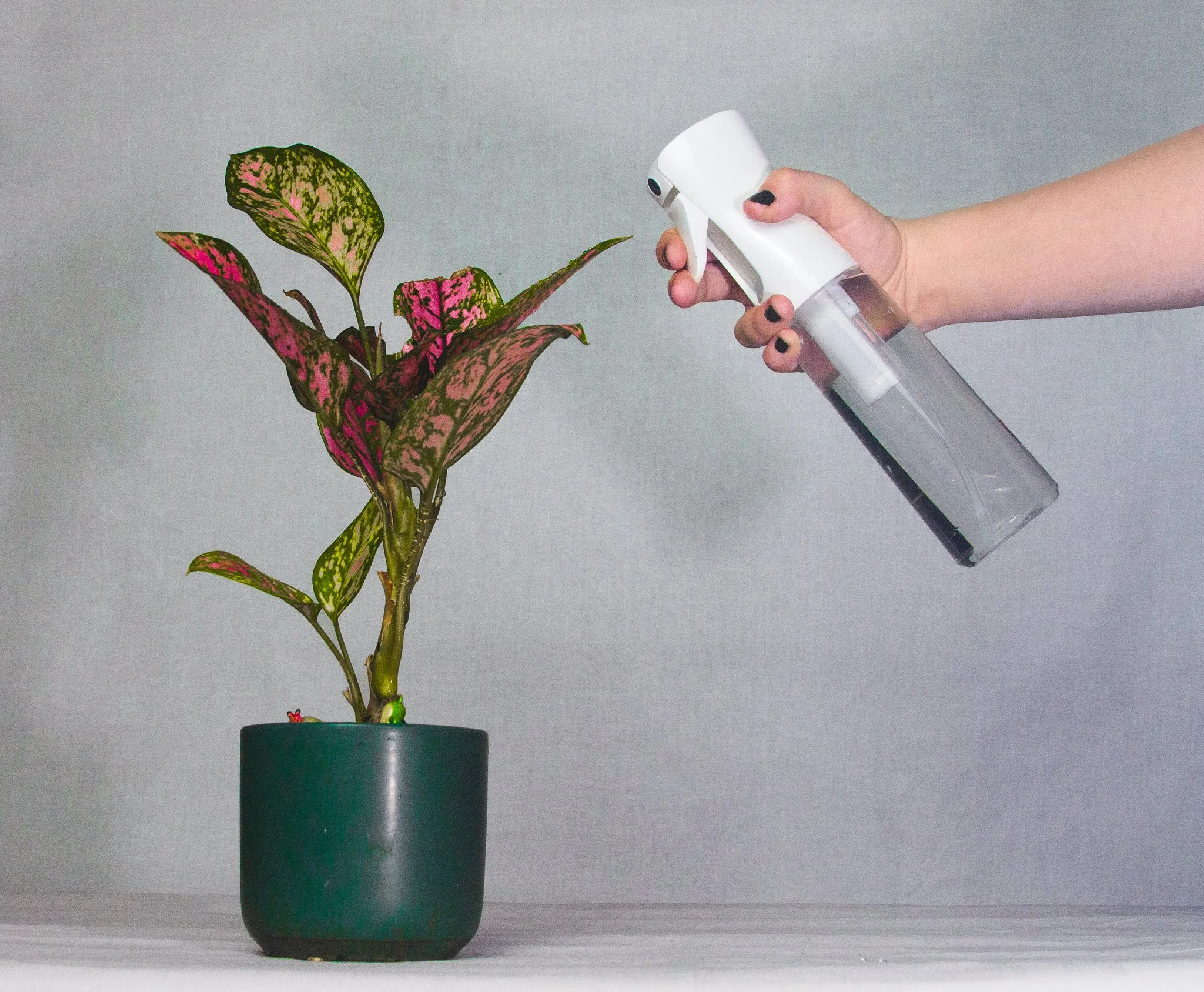
Watering your plant is one of the tricky aspects of plant health. Oftentimes, you might overwater it or underwater it. These are some signs Stavney suggests to keep an eye on. “As far as watering, it might get droopy, kind of crispy, sometimes a little bit yellow, but yellowing can also be a sign that the plant isn't getting enough nutrients from the soil,” says Stavney.
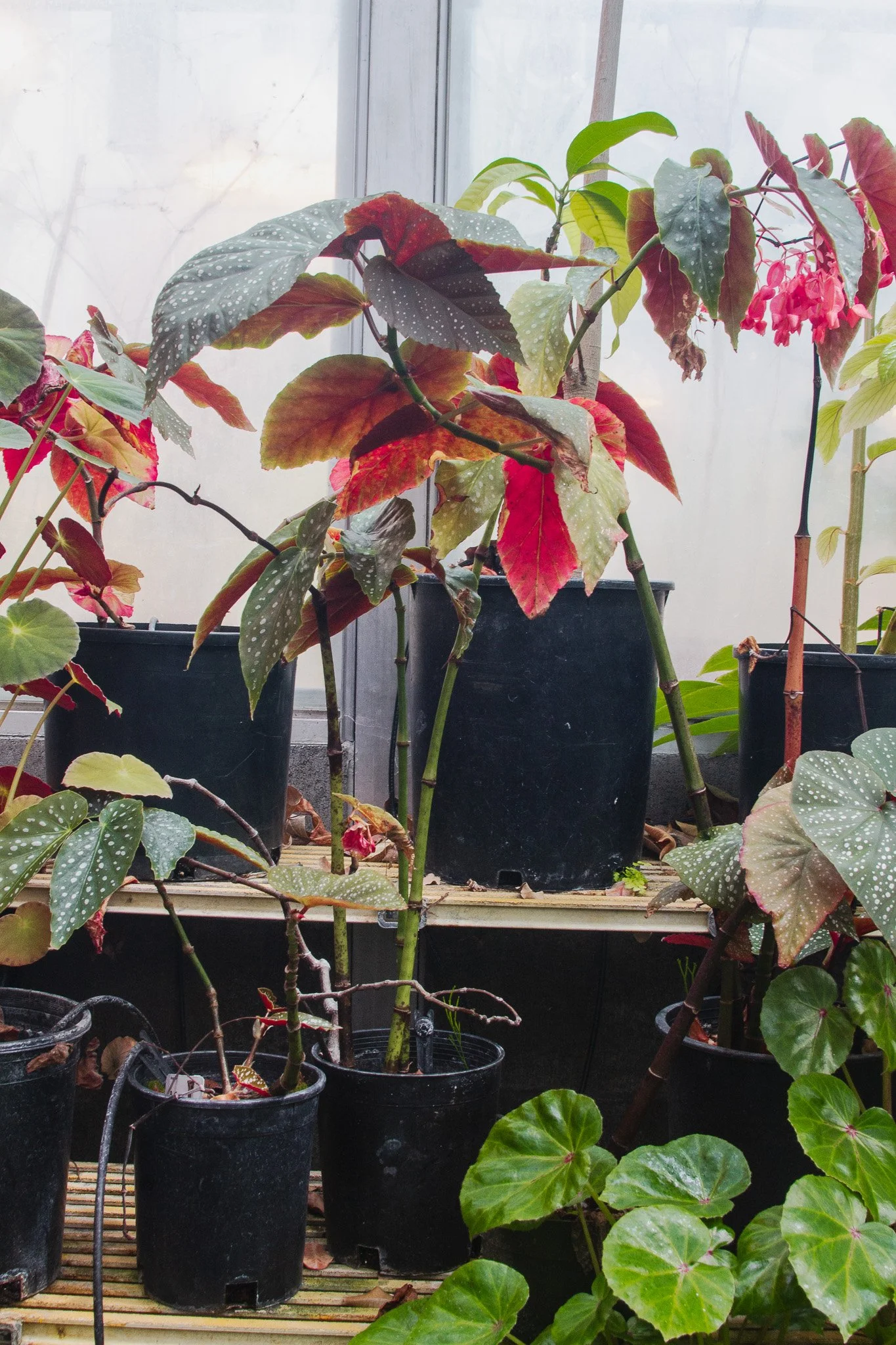
Sometimes plants can get sunburned if they get too much light. You may think your plant needs a lot of sunlight; however, you might be giving it too much. “And then also, if the leaves turn darker, like a reddish color, sometimes it means it's getting too much sunlight, plants can get sunburnt or get too much sun, just like people can,” Stavney says. “But plants can get burnt, and if they are producing a lot of red pigments, usually that means that they're getting too much sun, and you need to cool down the line a little bit.”
How to Get Involved with Plants on Campus
There are many options for students and community members to get involved with plants on campus, especially for beginners who want to try gardening as a hobby. The Wildcat Farm offers volunteer opportunities for the community, especially during the fall and spring. The farm also loans out small patches of land to students and community members, which they can reserve to start their own mini garden.
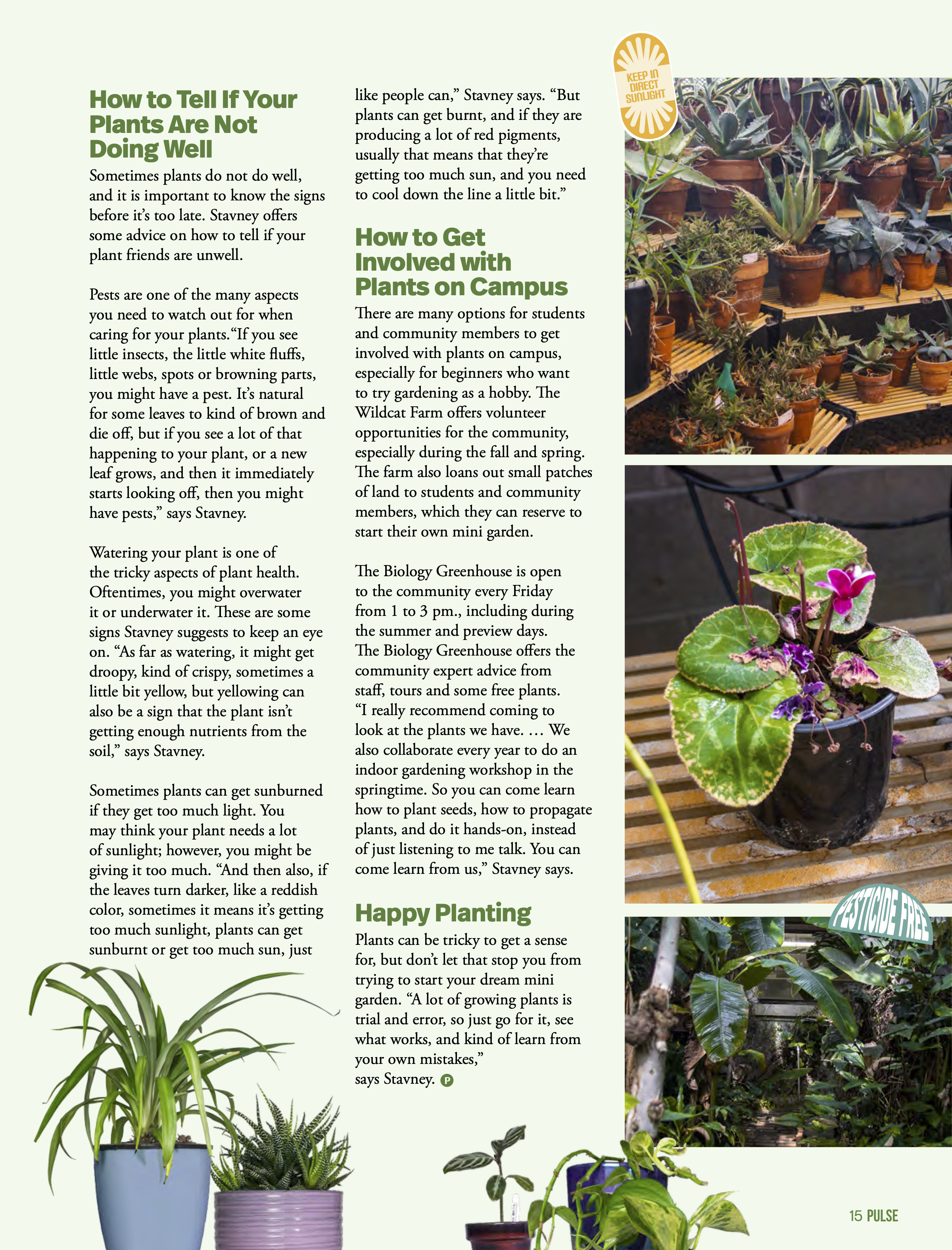
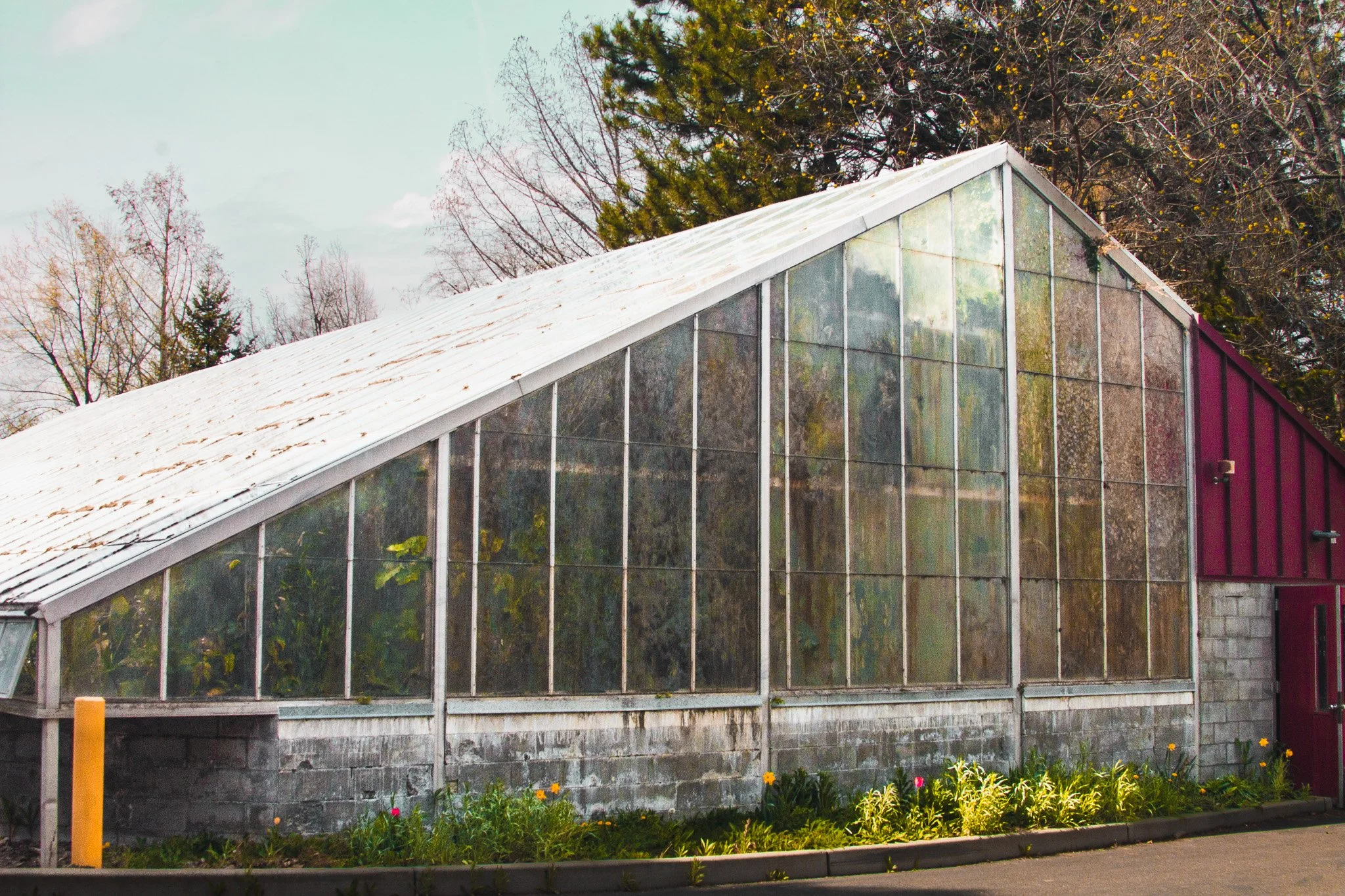
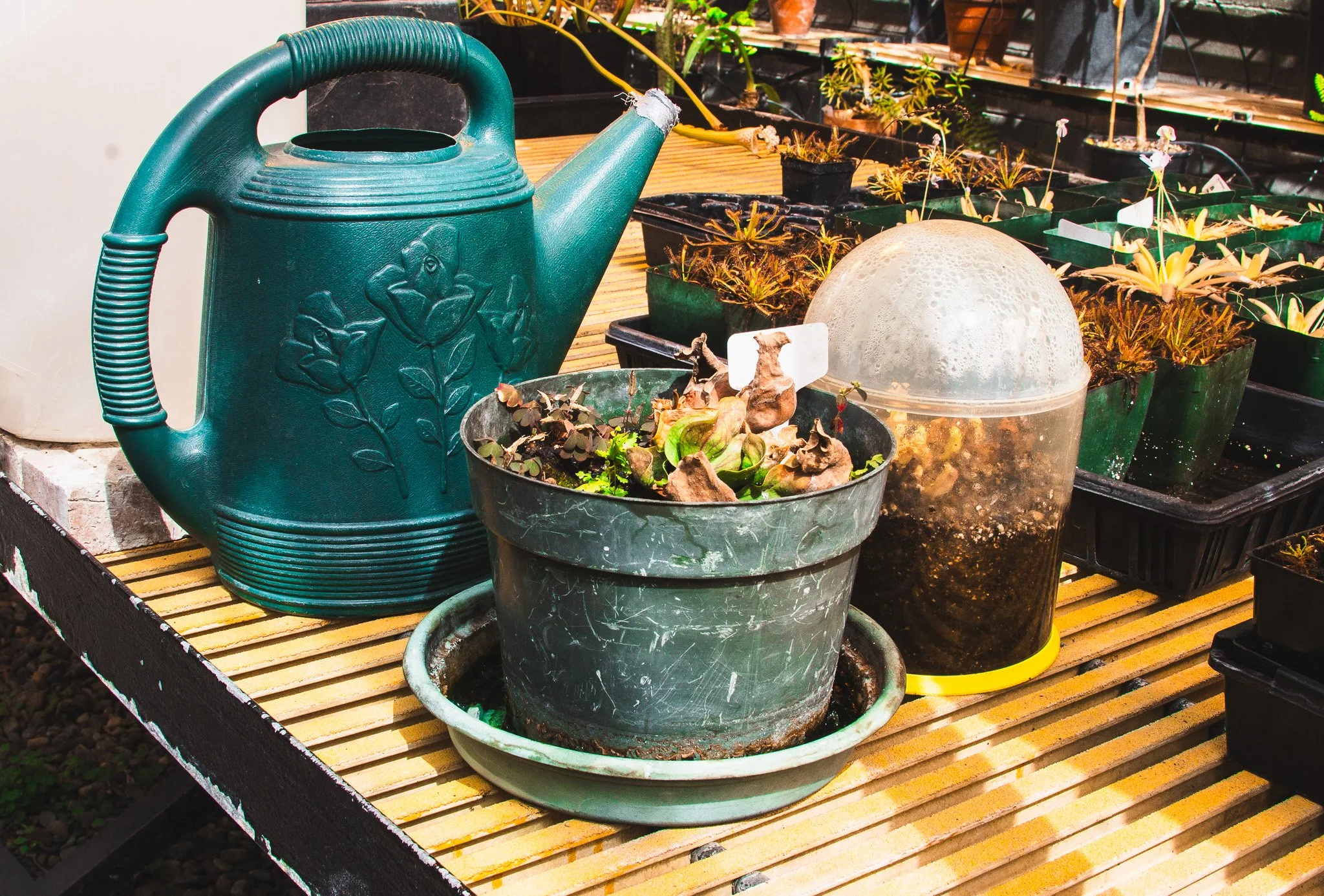
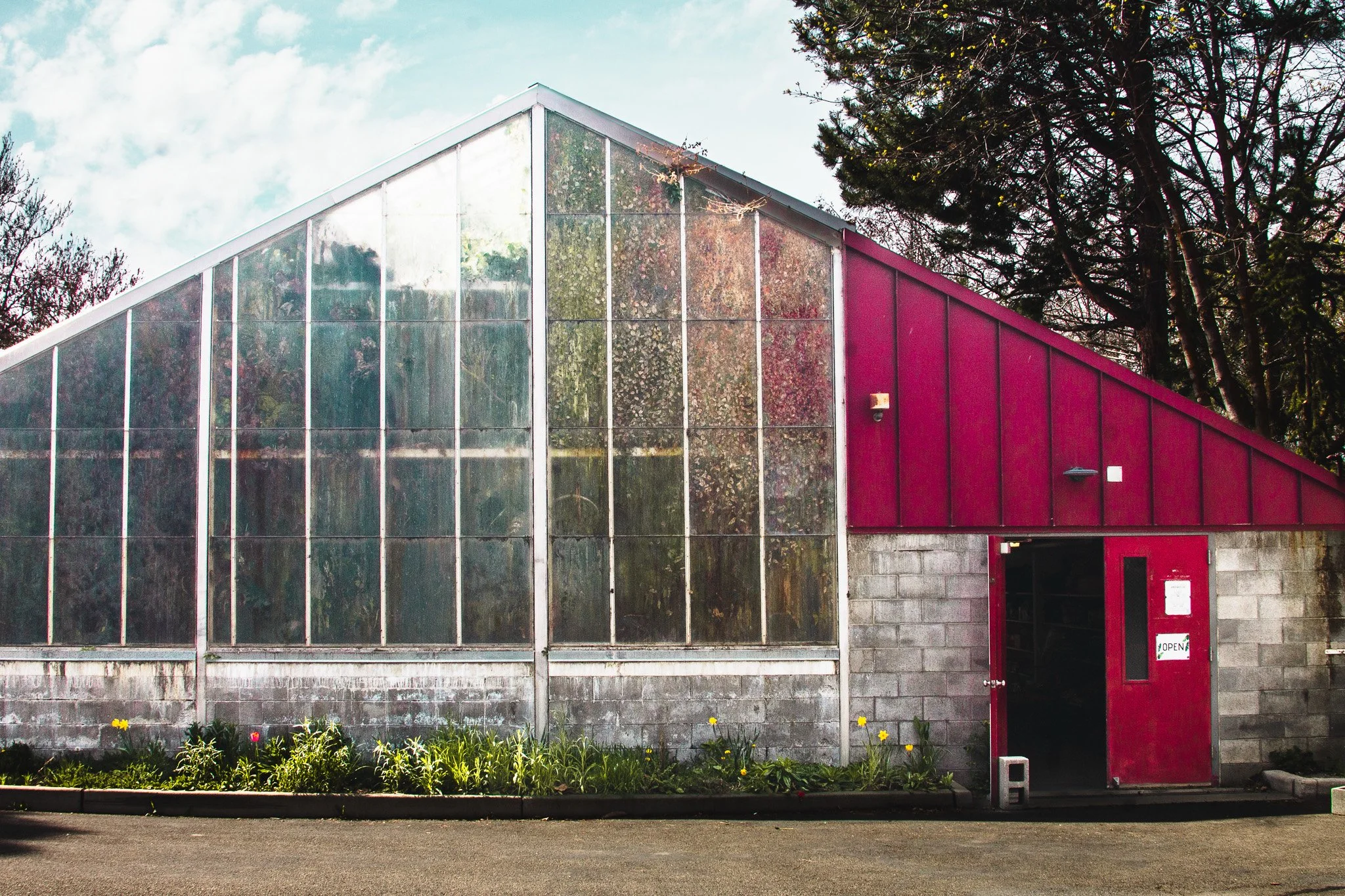
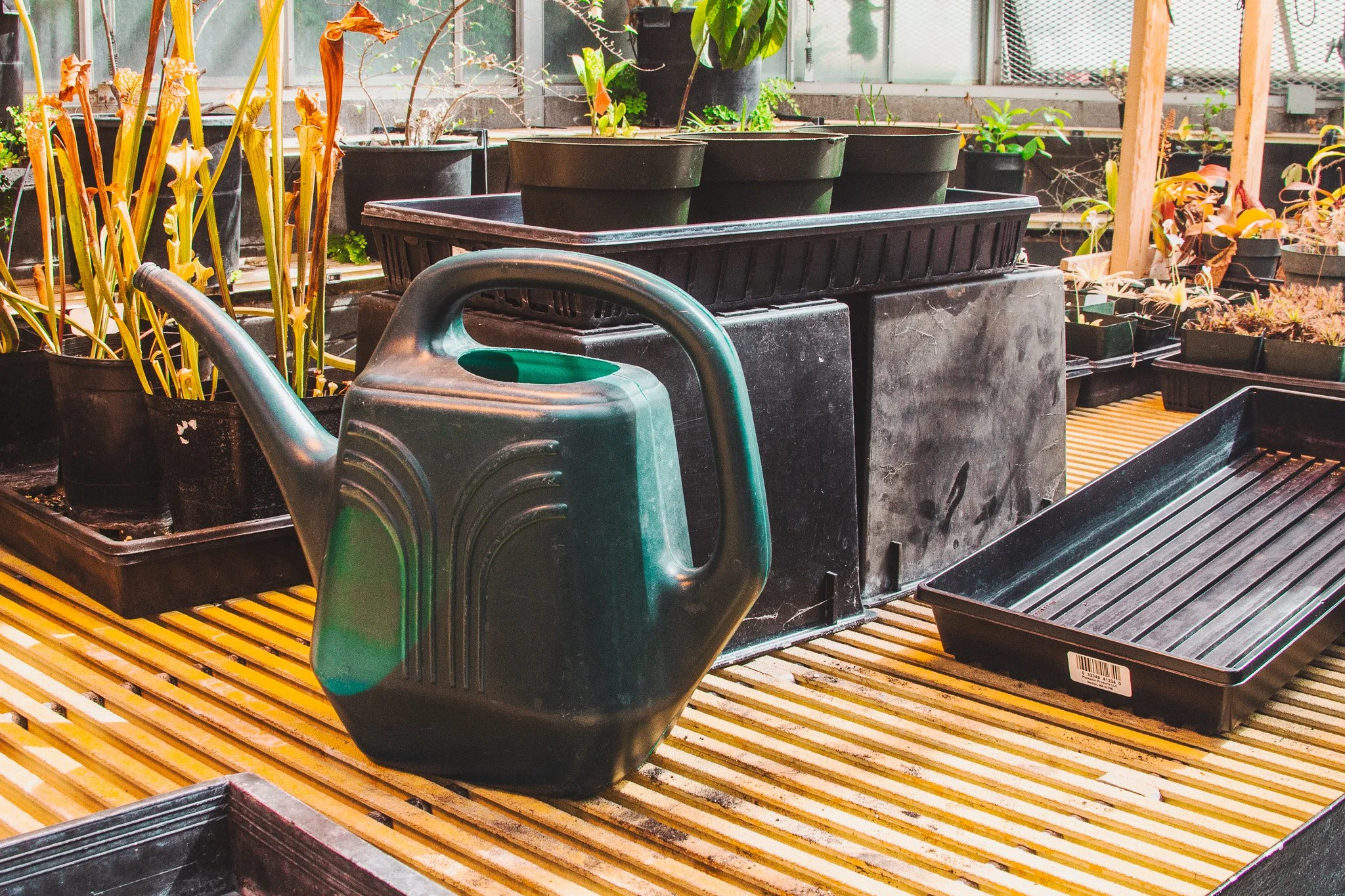
The Biology Greenhouse is open to the community every Friday from 1 to 3 pm., including during the summer and preview days. The Biology Greenhouse offers the community expert advice from staff, tours and some free plants. “I really recommend coming to look at the plants we have. … We also collaborate every year to do an indoor gardening workshop in the springtime. So you can come learn how to plant seeds, how to propagate plants, and do it hands-on, instead of just listening to me talk. You can come learn from us,” Stavney says.
Happy Planting
Plants can be tricky to get a sense for, but don’t let that stop you from trying to start your dream mini garden. “A lot of growing plants is trial and error, so just go for it, see what works, and kind of learn from your own mistakes,” says Stavney.