Leave No Spark: Tips for Wildfire Prevention from the Experts
story by Quin Ford, photos by Laura Allen and Thea Batch, design by Thea Batch
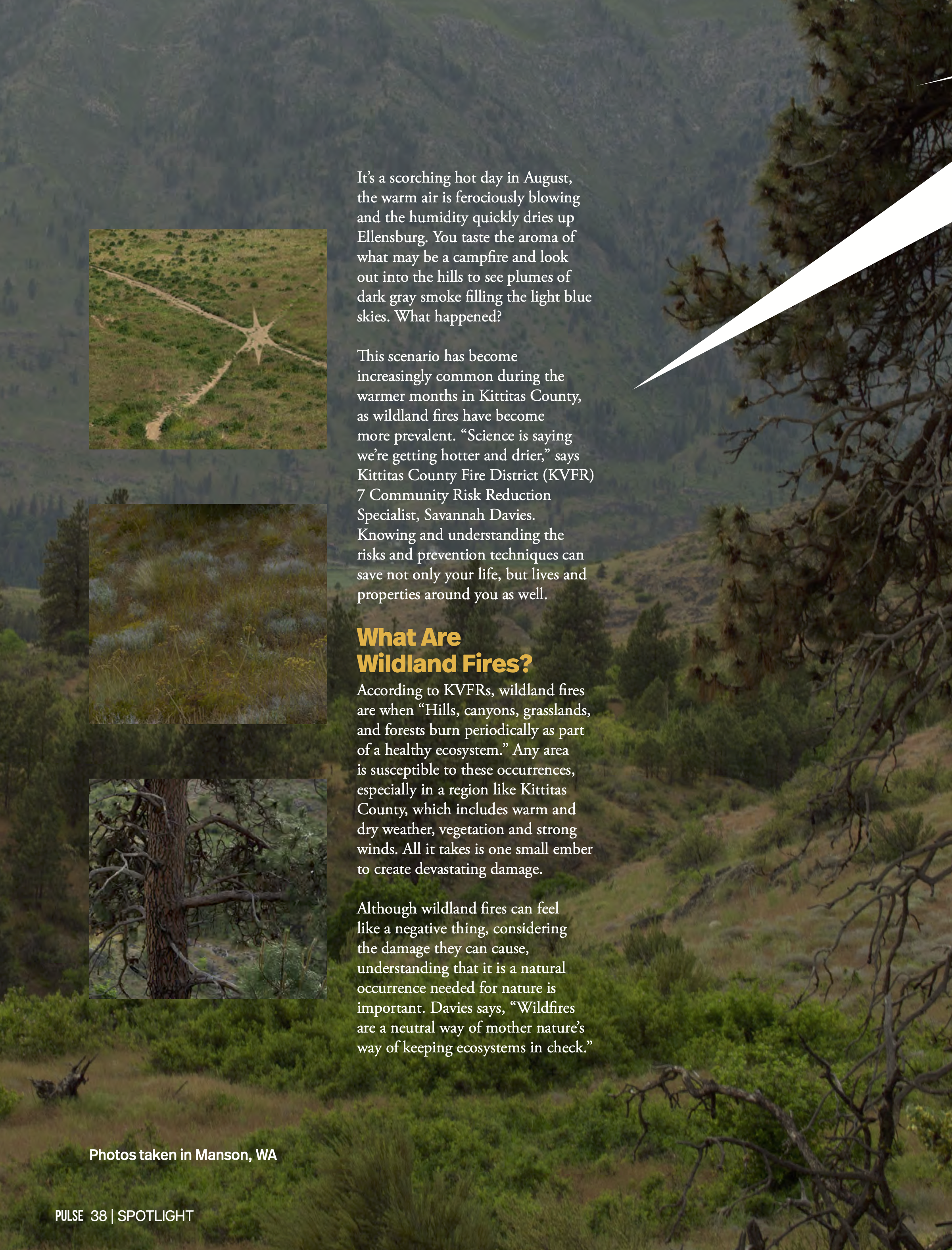
It’s a scorching hot day in August, the warm air is ferociously blowing and the humidity quickly dries up Ellensburg. You taste the aroma of what may be a campfire and look out into the hills to see plumes of dark gray smoke filling the light blue skies. What happened?
This scenario has become increasingly common during the warmer months in Kittitas County, as wildland fires have become more prevalent. “Science is saying we’re getting hotter and drier,” says Kittitas County Fire District (KVFR) 7 Community Risk Reduction Specialist, Savannah Davies. Knowing and understanding the risks and prevention techniques can save not only your life, but lives and properties around you as well.
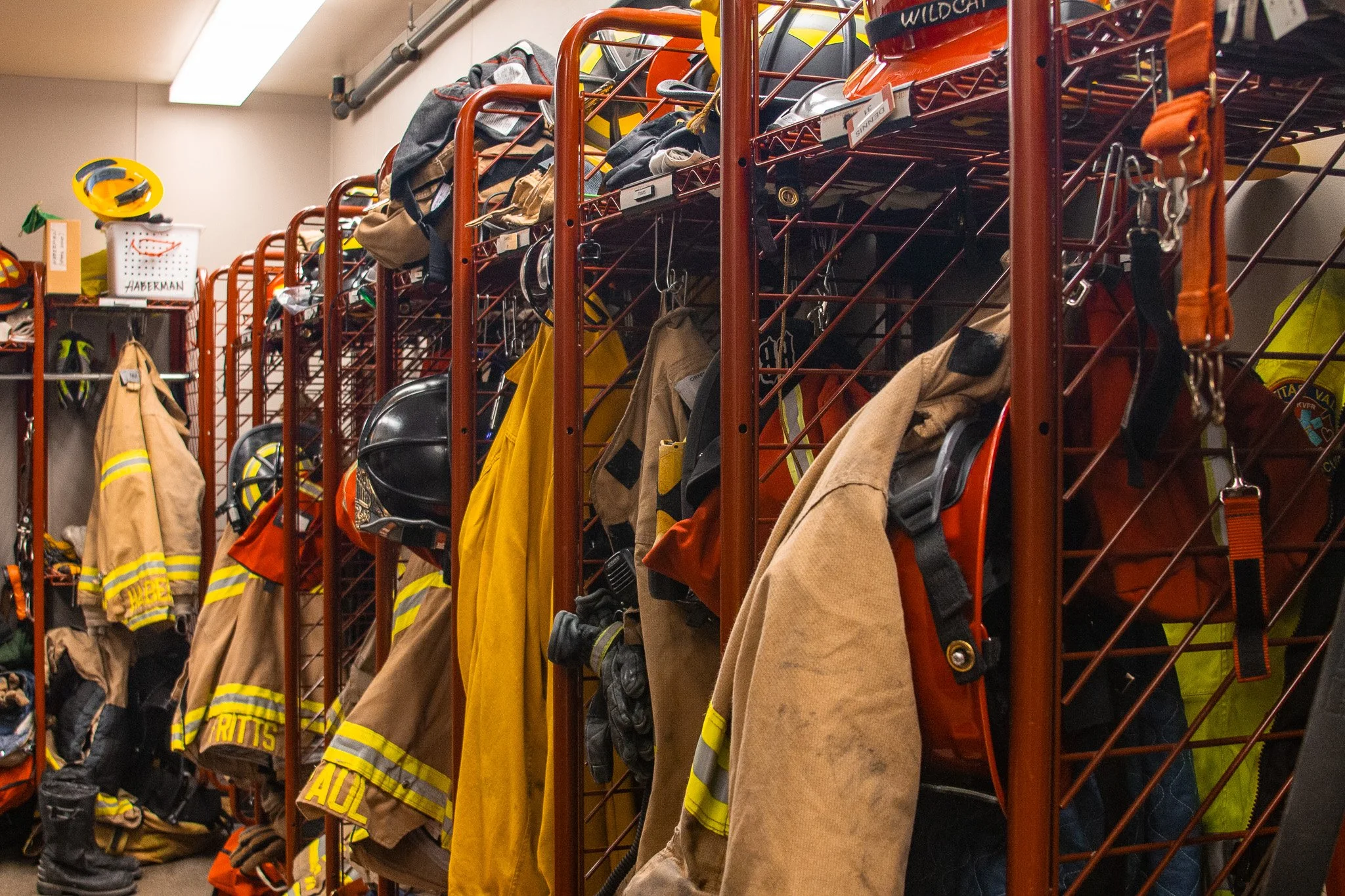
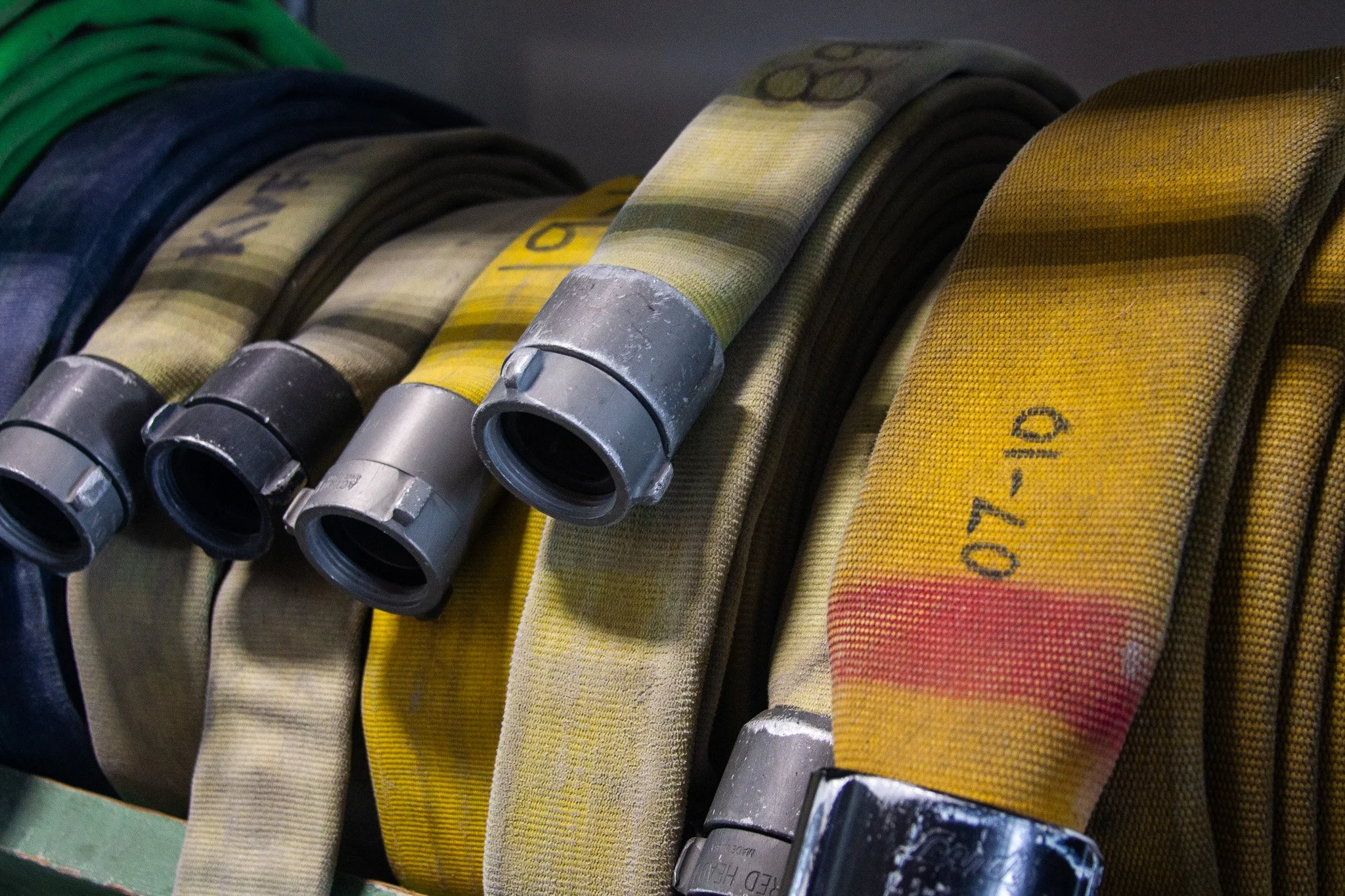
What Are Wildland Fires?
According to KVFRs, wildland fires are when “Hills, canyons, grasslands, and forests burn periodically as part of a healthy ecosystem.” Any area is susceptible to these occurrences, especially in a region like Kittitas County, which includes warm and dry weather, vegetation and strong winds. All it takes is one small ember to create devastating damage.
Although wildland fires can feel like a negative thing, considering the damage they can cause, understanding that it is a natural occurrence needed for nature is important. Davies says, “Wildfires are a neutral way of mother nature's way of keeping ecosystems in check.”
Prevention Techniques
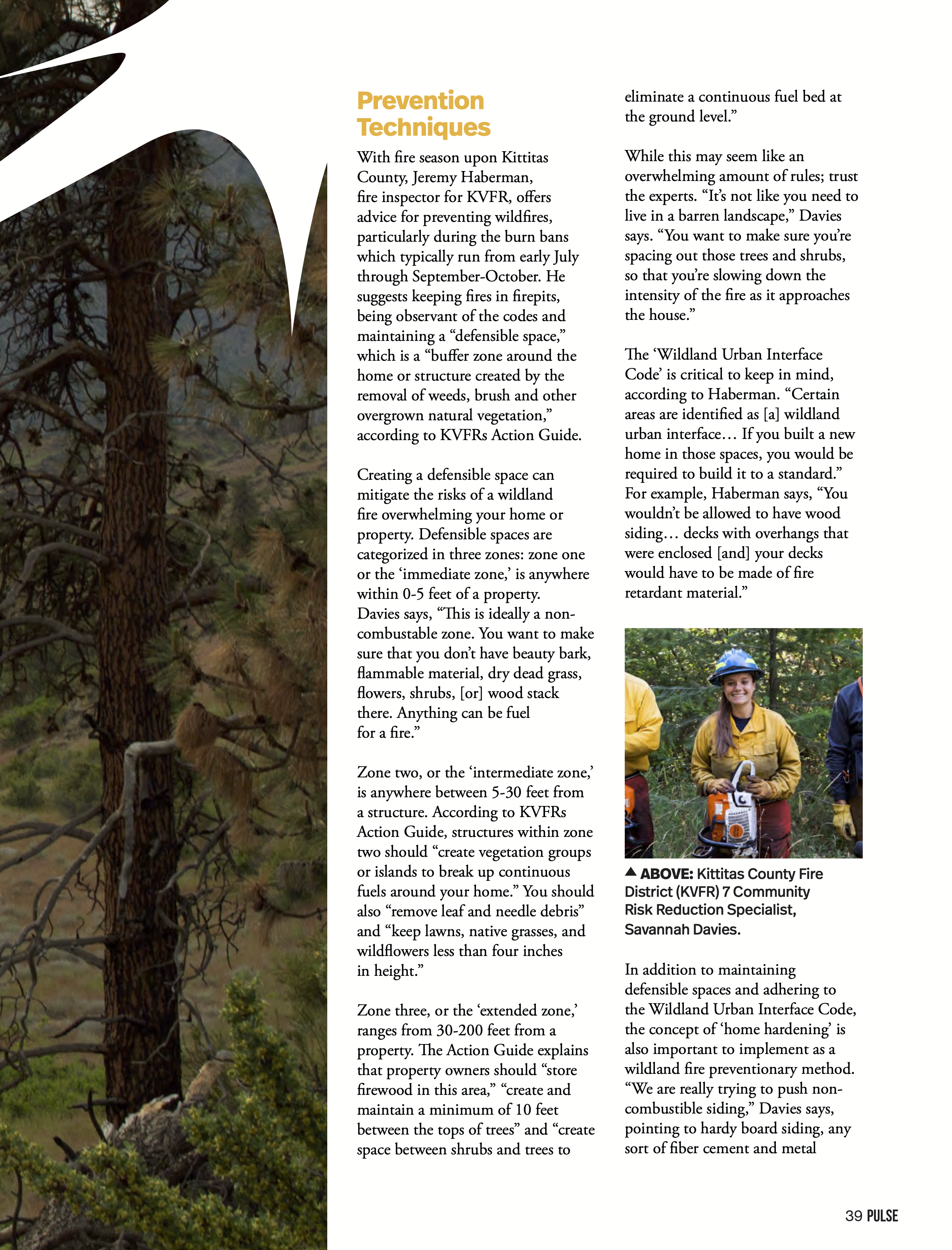
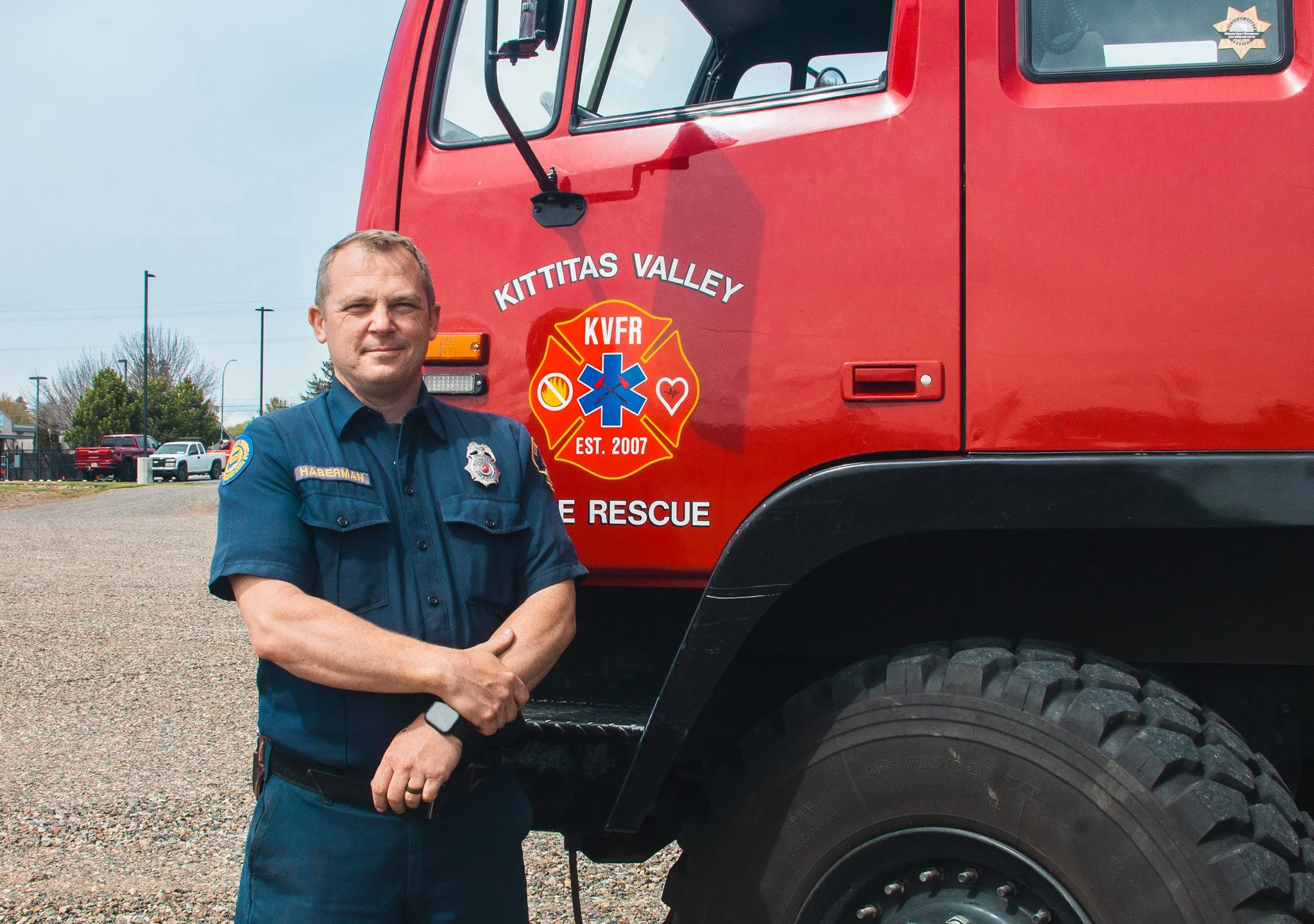
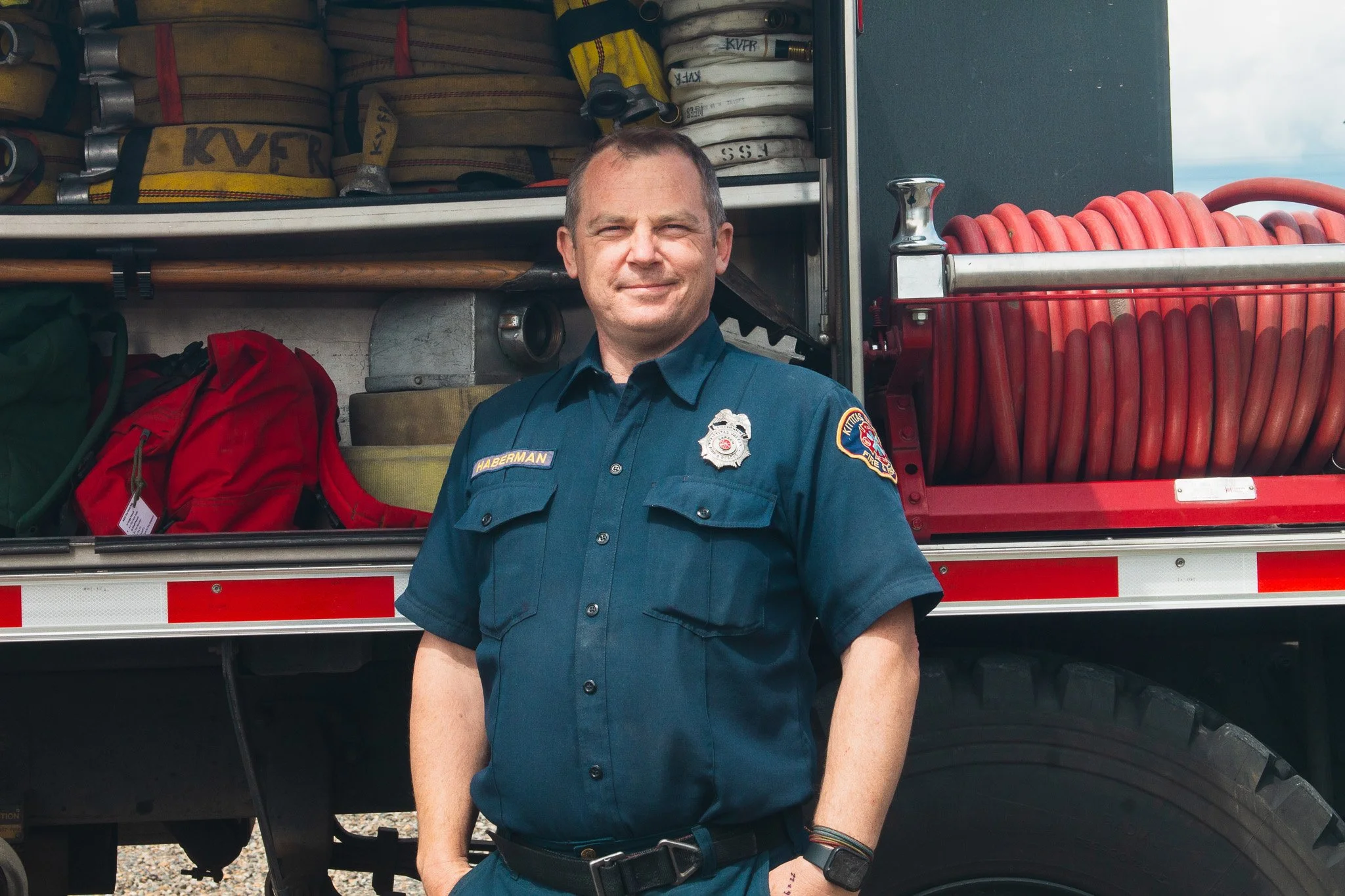
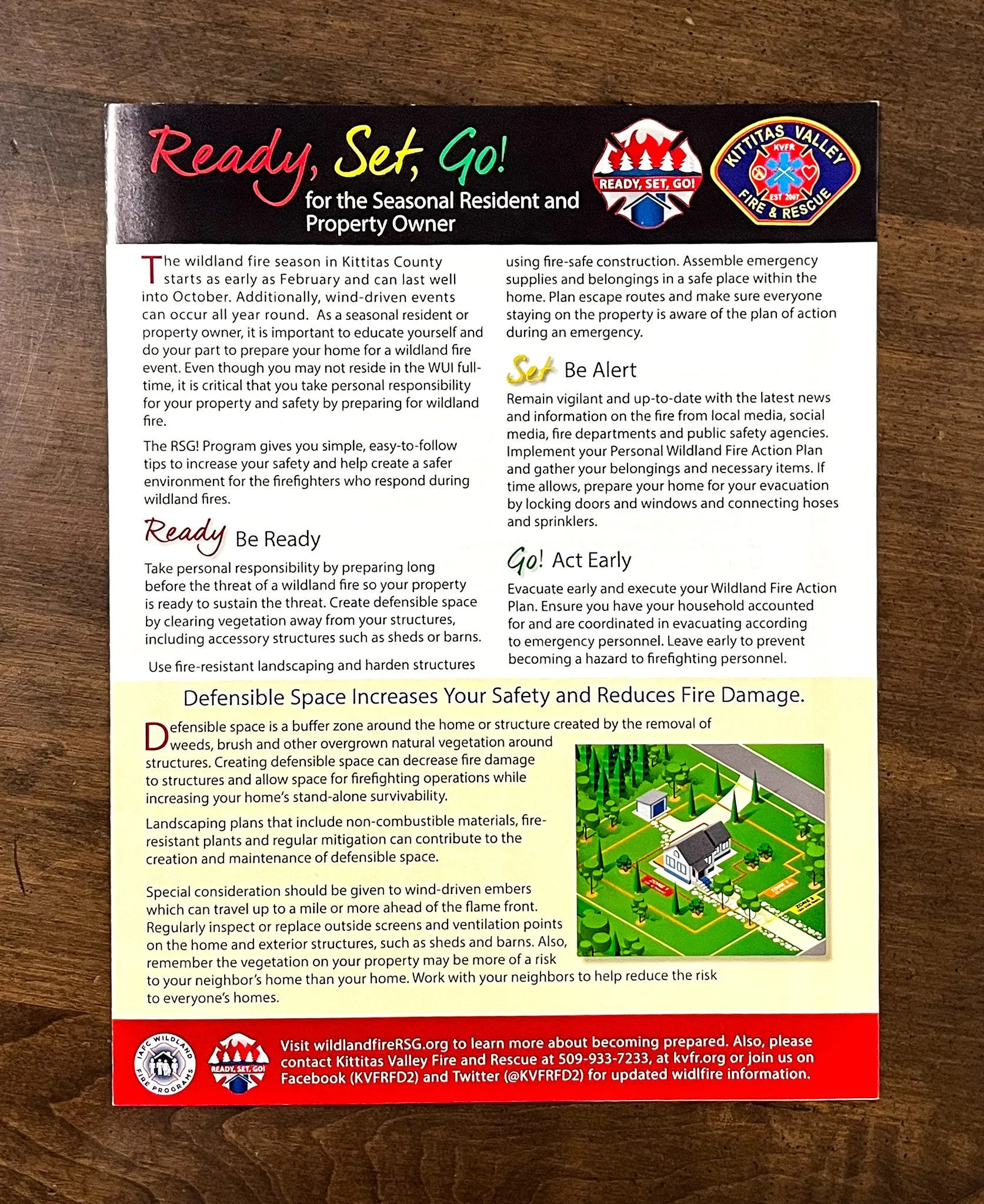
With fire season upon Kittitas County, Jeremy Haberman, fire inspector for KVFR, offers advice for preventing wildfires, particularly during the burn bans which typically run from early July through September-October. He suggests keeping fires in firepits, being observant of the codes and maintaining a “defensible space,” which is a “buffer zone around the home or structure created by the removal of weeds, brush and other overgrown natural vegetation,” according to KVFRs Action Guide.
Creating a defensible space can mitigate the risks of a wildland fire overwhelming your home or property. Defensible spaces are categorized in three zones: zone one or the ‘immediate zone,’ is anywhere within 0-5 feet of a property. Davies says, “This is ideally a non-combustable zone. You want to make sure that you don’t have beauty bark, flammable material, dry dead grass, flowers, shrubs, [or] wood stack there. Anything can be fuel for a fire.”
Zone two, or the ‘intermediate zone,’ is anywhere between 5-30 feet from a structure. According to KVFRs Action Guide, structures within zone two should “create vegetation groups or islands to break up continuous fuels around your home.” You should also “remove leaf and needle debris” and “keep lawns, native grasses, and wildflowers less than four inches in height.”
Zone three, or the ‘extended zone,’ ranges from 30-200 feet from a property. The Action Guide explains that property owners should “store firewood in this area,” “create and maintain a minimum of 10 feet between the tops of trees” and “create space between shrubs and trees to eliminate a continuous fuel bed at the ground level.”
While this may seem like an overwhelming amount of rules; trust the experts. “It’s not like you need to live in a barren landscape,” Davies says. “You want to make sure you’re spacing out those trees and shrubs, so that you’re slowing down the intensity of the fire as it approaches the house.”
The ‘Wildland Urban Interface Code’ is critical to keep in mind, according to Haberman. “Certain areas are identified as [a] wildland urban interface… If you built a new home in those spaces, you would be required to build it to a standard.” For example, Haberman says, “You wouldn’t be allowed to have wood siding… decks with overhangs that were enclosed [and] your decks would have to be made of fire retardant material.”
In addition to maintaining defensible spaces and adhering to the Wildland Urban Interface Code, the concept of ‘home hardening’ is also important to implement as a wildland fire preventionary method. “We are really trying to push non-combustible siding,” Davies says, pointing to hardy board siding, any sort of fiber cement and metal siding. “If you are building a new home, you already have to have a class A roof, which means it is fire tested or fire rated.” Davies also makes it very clear that, “The roof is the most exposed part of your home.” Ensuring that your roof can withstand mother nature's elements is critical to maintaining a fire free property.
One of the largest contributors to wildland fires are embers. “Eighty percent of the homes that are lost in the event of a wildfire [are] actually due to embers or fire brands landing on the house itself,” Davies says. Although embers are just tiny pieces of burning wood or coal, their impact can create a long-lasting impact. Embers can make their way into properties through any opening, including a door, window, or even a small vent, “Ideally, you have 1/8 of an inch of stainless steel mesh there to prevent those embers from entering,” Davies says.
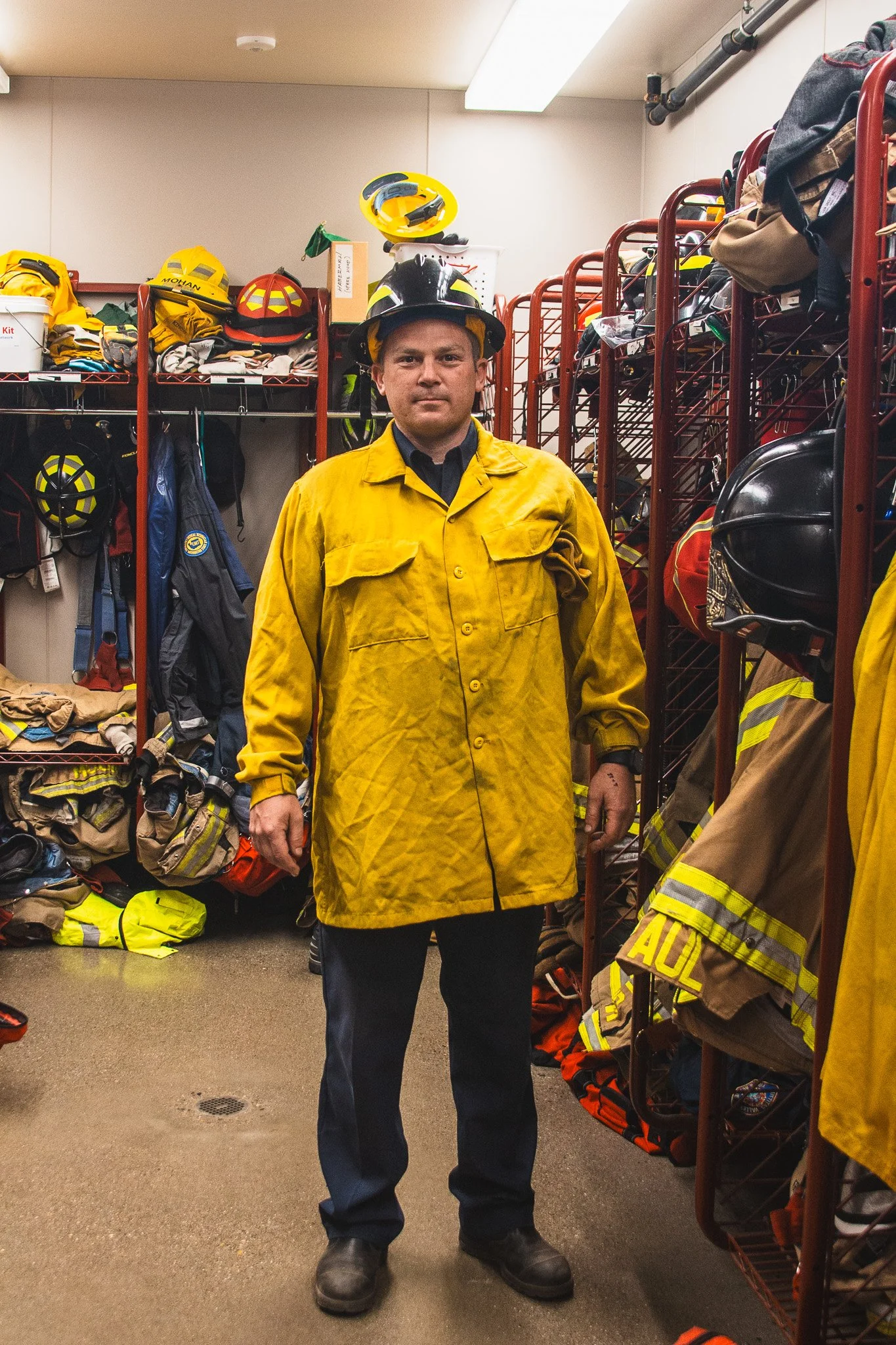
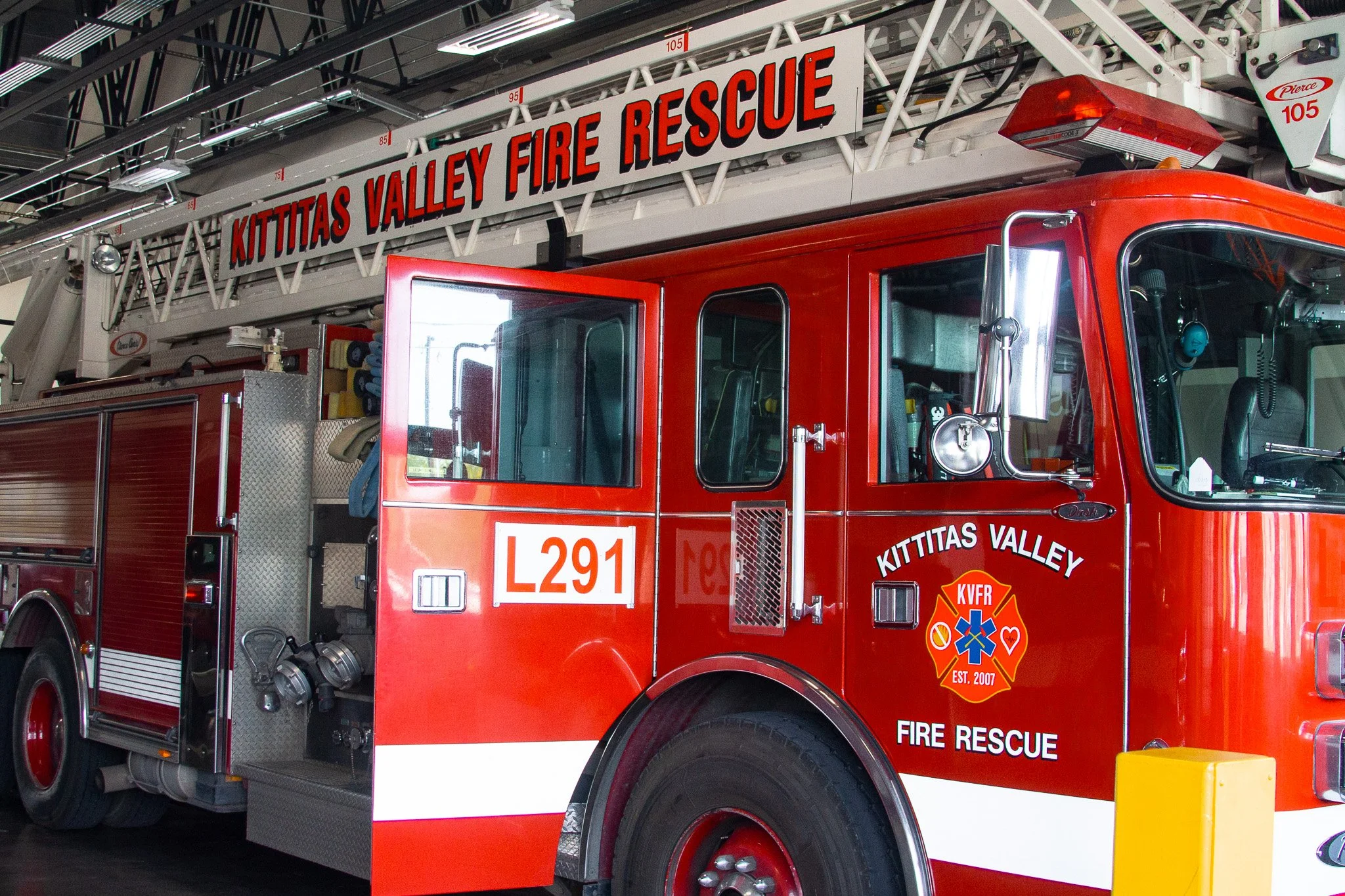
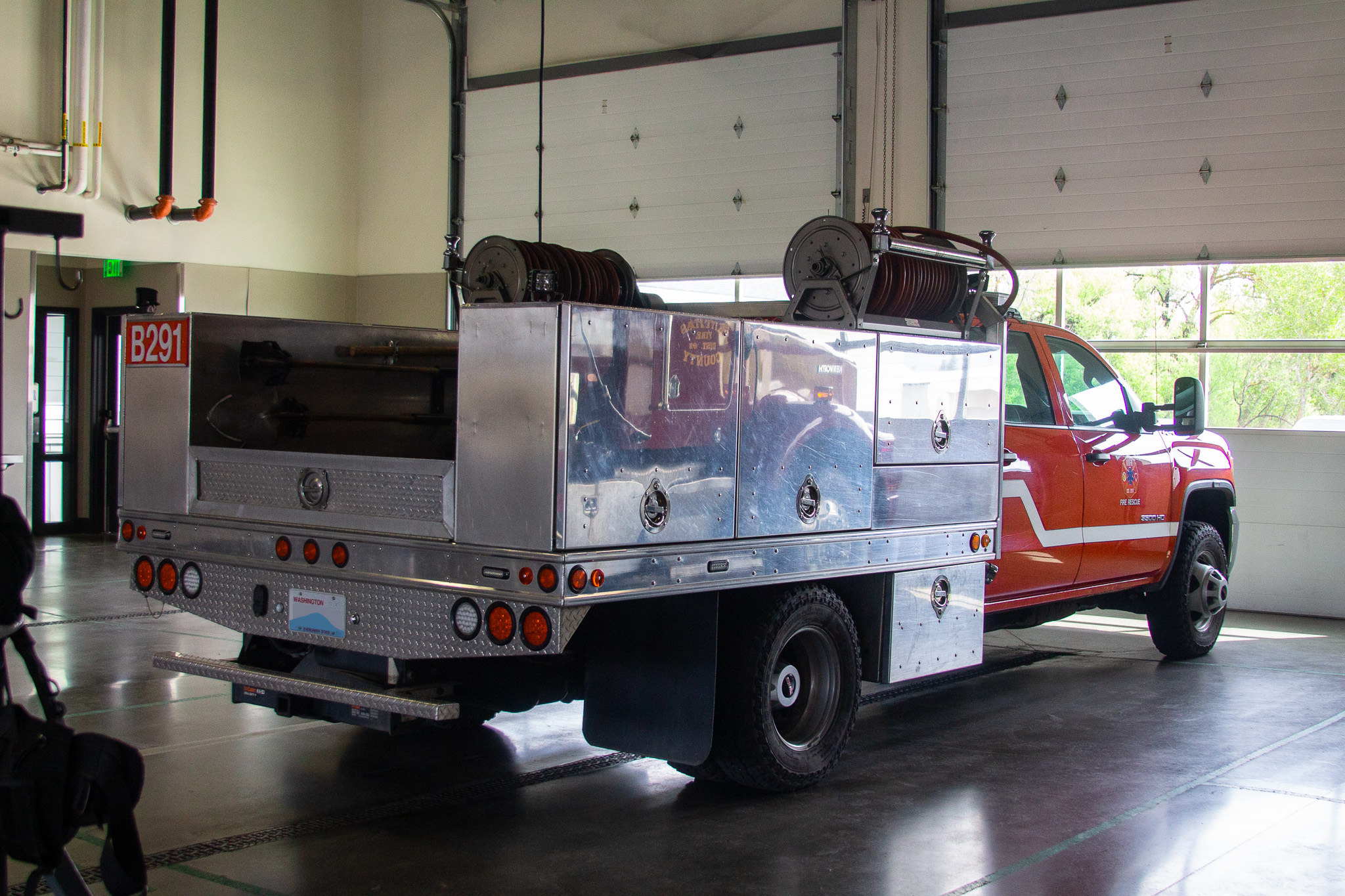
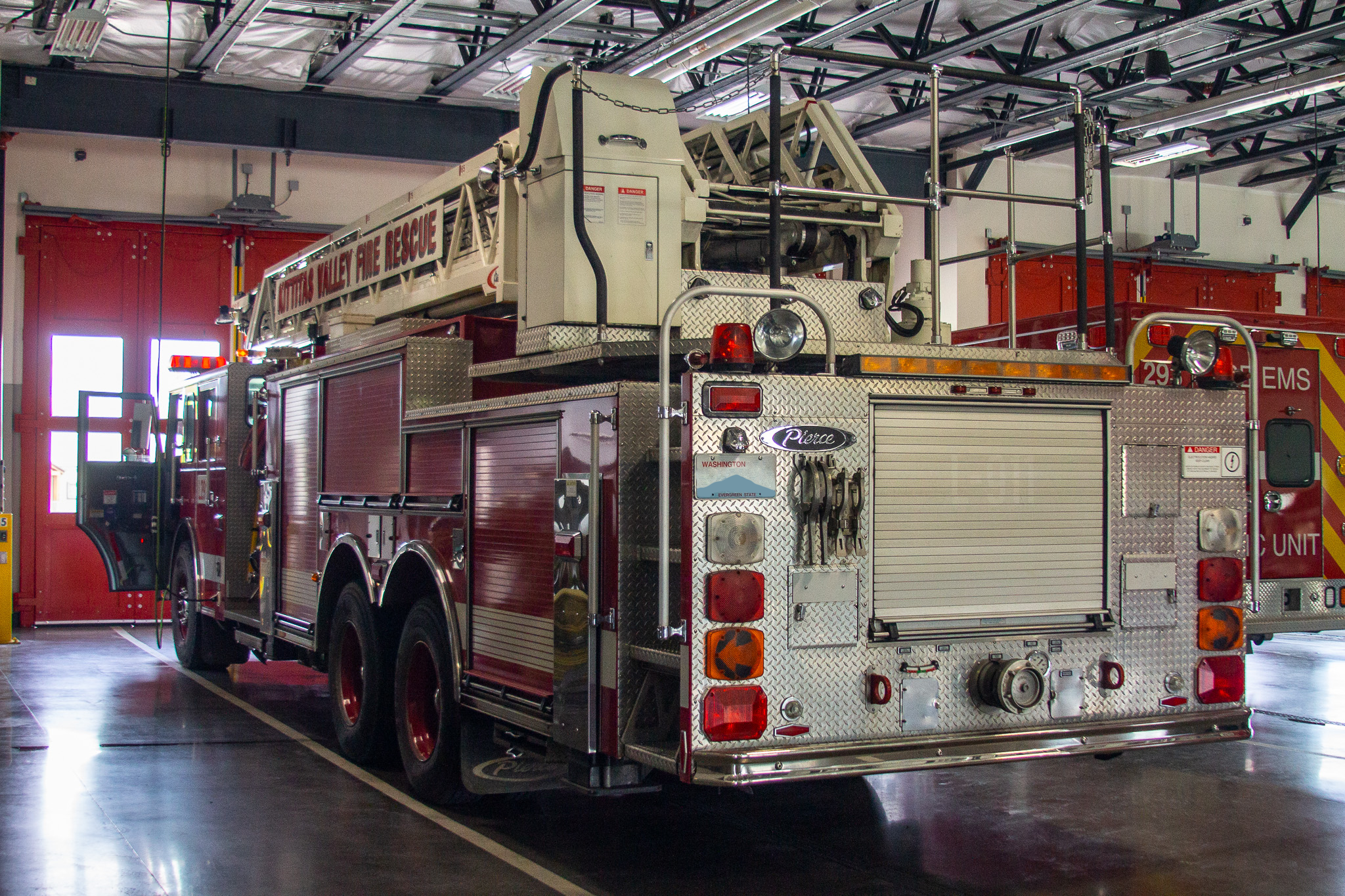
Responding to Wildfires
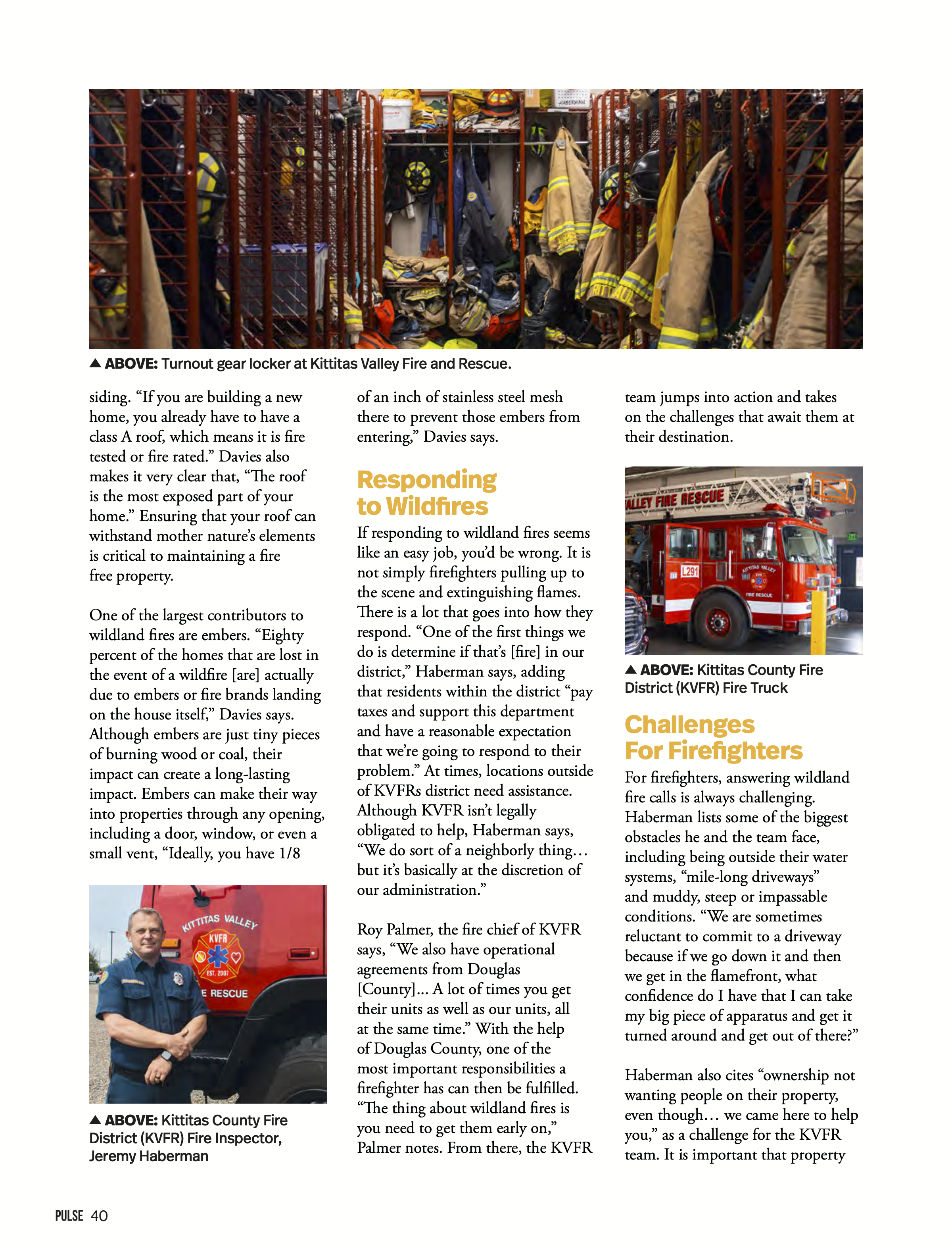
If responding to wildland fires seems like an easy job, you’d be wrong. It is not simply firefighters pulling up to the scene and extinguishing flames. There is a lot that goes into how they respond. “One of the first things we do is determine if that’s [fire] in our district,” Haberman says, adding that residents within the district “pay taxes and support this department and have a reasonable expectation that we’re going to respond to their problem.” At times, locations outside of KVFRs district need assistance. Although KVFR isn’t legally obligated to help, Haberman says, “We do sort of a neighborly thing… but it’s basically at the discretion of our administration.”
Roy Palmer, the fire chief of KVFR says, “We also have operational agreements from Douglas [County]... A lot of times you get their units as well as our units, all at the same time.” With the help of Douglas County, one of the most important responsibilities a firefighter has can then be fulfilled. “The thing about wildland fires is you need to get them early on,” Palmer notes. From there, the KVFR team jumps into action and takes on the challenges that await them at their destination.
Challenges For Firefighters
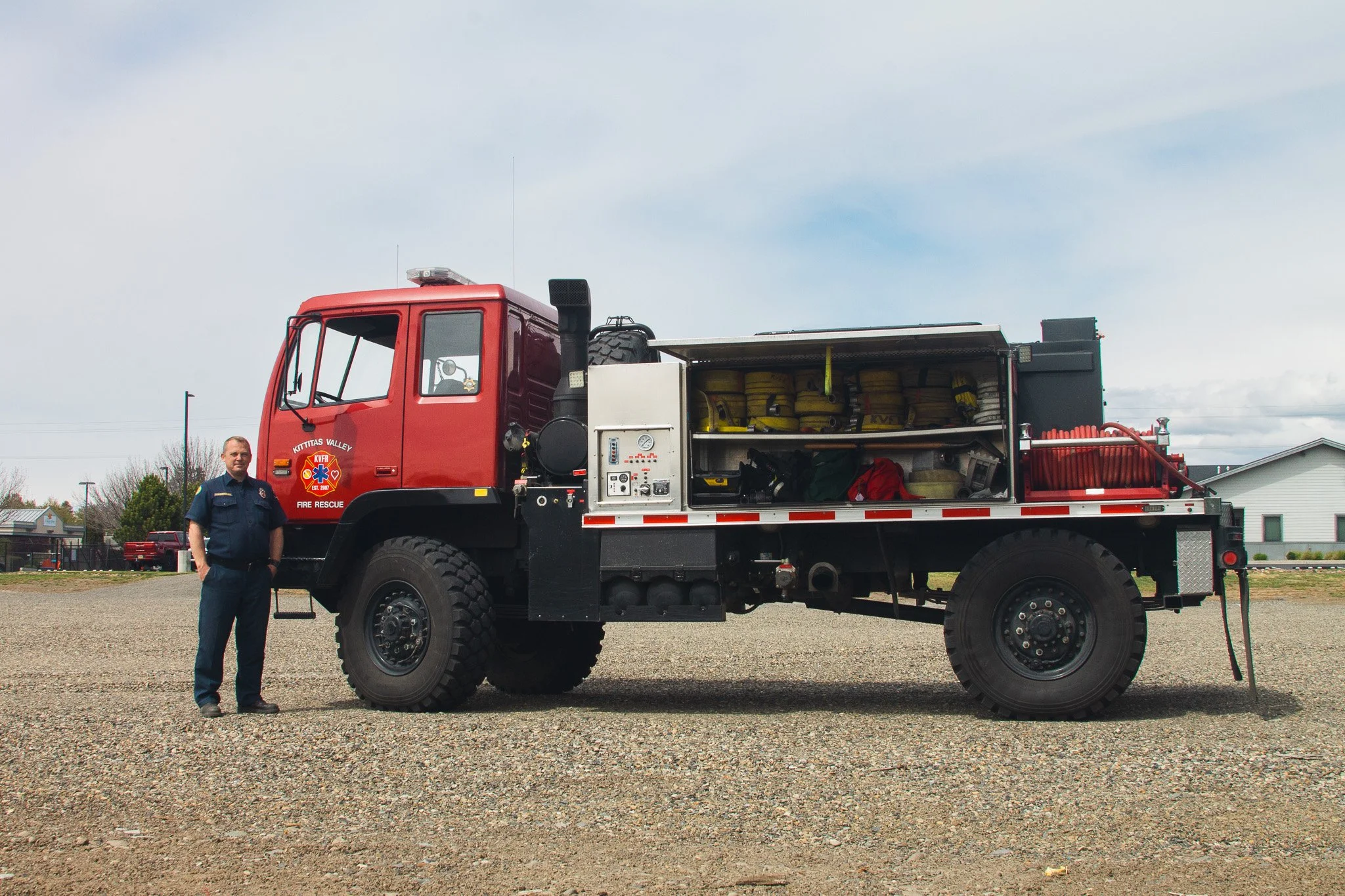
For firefighters, answering wildland fire calls is always challenging. Haberman lists some of the biggest obstacles he and the team face, including being outside their water systems, “mile-long driveways” and muddy, steep or impassable conditions. “We are sometimes reluctant to commit to a driveway because if we go down it and then we get in the flamefront, what confidence do I have that I can take my big piece of apparatus and get it turned around and get out of there?”
Haberman also cites “ownership not wanting people on their property, even though… we came here to help you,” as a challenge for the KVFR team. It is important that property owners remain open to the idea of help, even if that means needing someone to step on your property. Without this, a minor wildland fire could evolve into something far worse than what it could have been.
While these are all difficult issues, taking care of personnel is also key. If Ellensburg’s August’s are not already hot enough, imagine how 100 degrees feels in an extra three to four layers of clothing. As Haberman puts it, “110 degrees in August is a physically limiting environment. It’s hard on our people.”
Prevalence in Kittitas County
As a Kittitas County native who attended high school in Ellensburg, Haberman says that wildland fires “are getting more prevalent,” but why is that? Although there is no way to pinpoint one exact cause, humans have a direct impact on the development of wildland fires.
Davies cites “the amount of people recreating,” as well as “people dragging axles, people throwing cigarettes [and] dragging chains. That’s more opportunity for those roadside sparks.” She adds, “If we got the wind that aligns, that just blows it up into the wind, the fuel, the topography, those align.” Being aware and cautious of your actions can prevent instances of starting unnecessary wildland fires. All it takes is one ill-conceived act to create an impact that can put others' lives in danger, as well as surrounding properties, so be cautious and think before you act.
Helpful Resources
If you are a non-industrial forestland owner needing assistance managing your land for optimal forest growth, the Department of Natural Resources (DNR) offers “a great cost-share program to help reduce some of the fuels on [your] property,” according to Davies. Managing large acres of land can be difficult, especially if you do not have the equipment to do so.
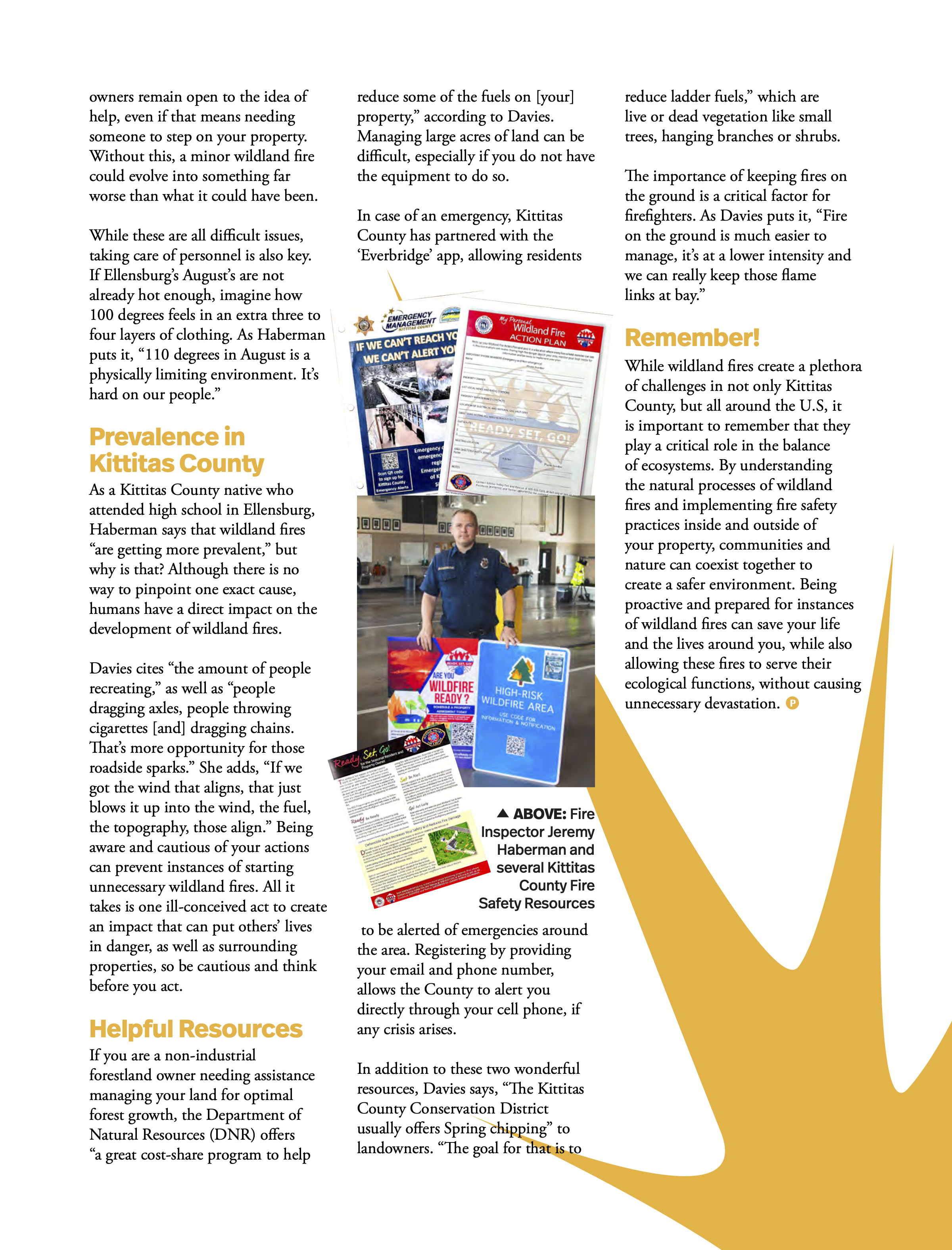
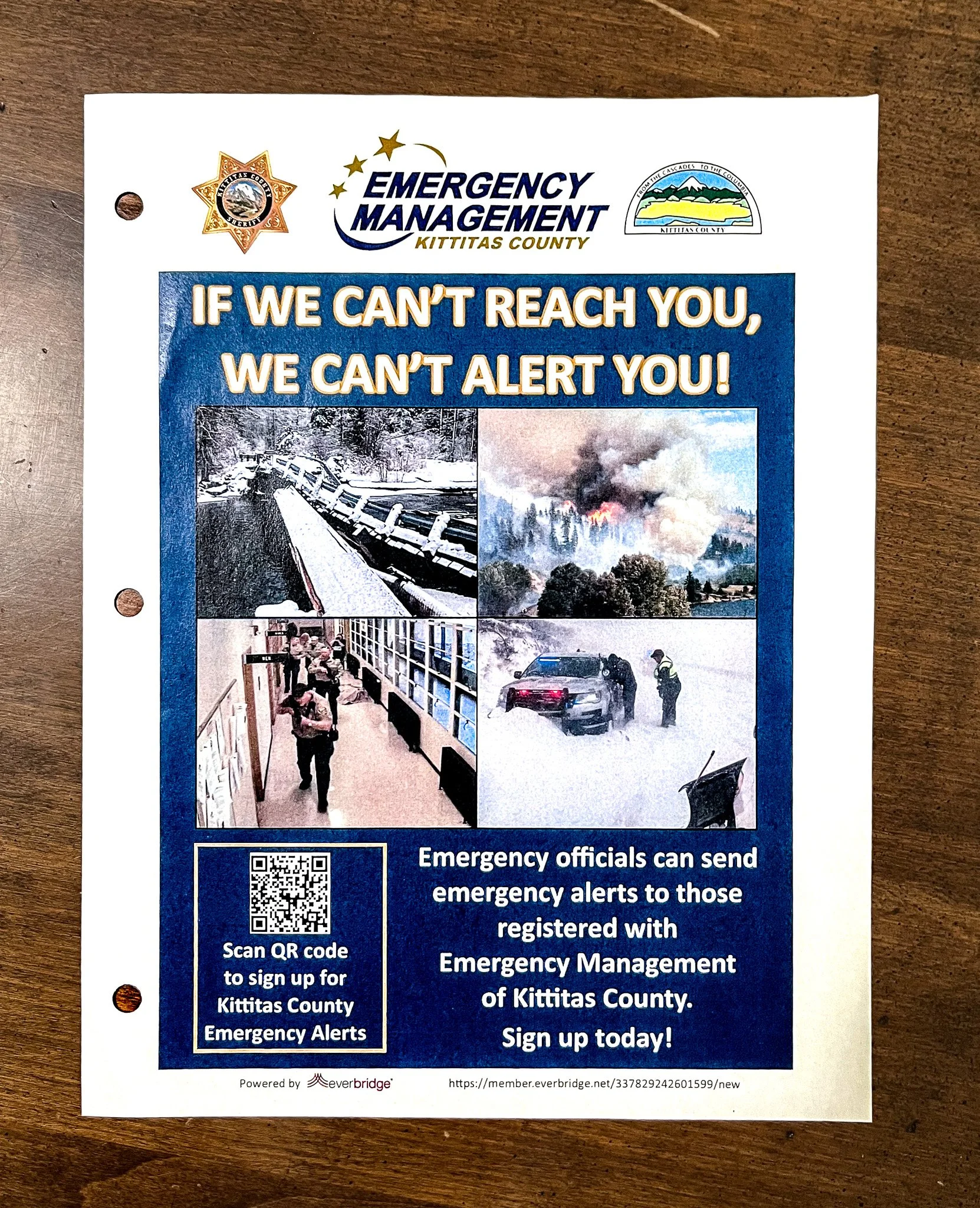
In case of an emergency, Kittitas County has partnered with the ‘Everbridge’ app, allowing residents to be alerted of emergencies around the area. Registering by providing your email and phone number, allows the County to alert you directly through your cell phone, if any crisis arises.
In addition to these two wonderful resources, Davies says, “The Kittitas County Conservation District usually offers Spring chipping” to landowners. “The goal for that is to reduce ladder fuels,” which are live or dead vegetation like small trees, hanging branches or shrubs. The importance of keeping fires on the ground is a critical factor for firefighters. As Davies puts it, “Fire on the ground is much easier to manage, it’s at a lower intensity and we can really keep those flame links at bay.”
Remember!
While wildland fires create a plethora of challenges in not only Kittitas County, but all around the U.S, it is important to remember that they play a critical role in the balance of ecosystems. By understanding the natural processes of wildland fires and implementing fire safety practices inside and outside of your property, communities and nature can coexist together to create a safer environment. Being proactive and prepared for instances of wildland fires can save your life and the lives around you, while also allowing these fires to serve their ecological functions, without causing unnecessary devastation.