
In Defense of Marty Supreme
2025 was a strong year for cinema. Hits like Superman, Sinners, and the cult classic Five Nights at Freddy’s 2 dominating the scene. But there was another film released that year that, despite its excellent quality and fanfare, was snubbed by both the Academy and onlookers.
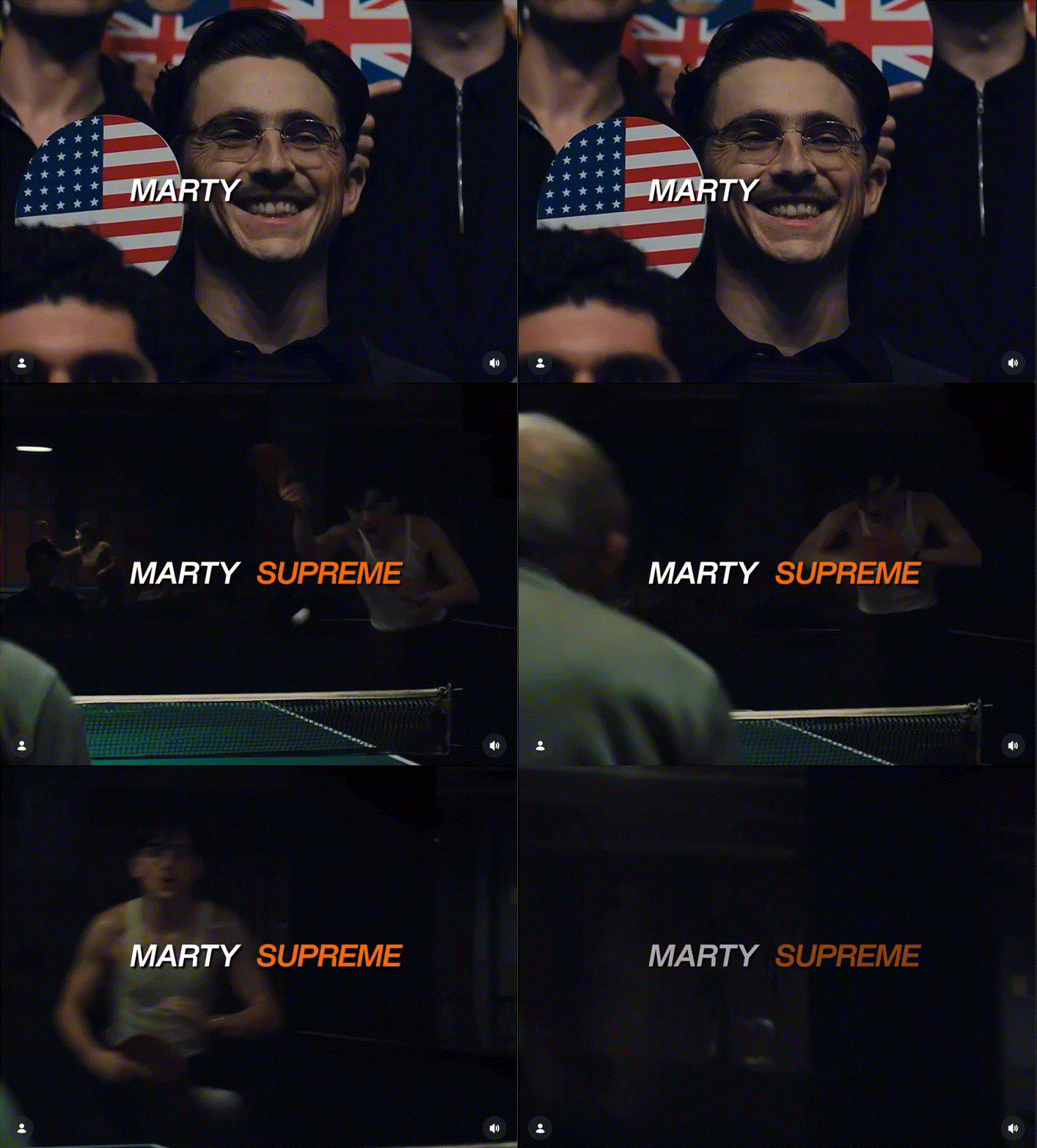
Marty Supreme, directed by Josh Safdie of Uncut Gems, is a thrilling adventure that follows one man’s quest for glory. The film, set in the 1950s, follows Marty Mauser “Supreme” and his journey to become the world’s greatest table tennis player. Facing industry and personal challenges alike – some self-inflicted – Marty Supreme eventually achieves his dream by the time the credits fade to black.
I admit that I did not think much of the film when I first heard of it. Displayed prominently on the home screen of letterboxd, with glowing reviews from the usual personalities, it all left a bad taste in my mouth. It wasn’t until a respected friend of mine recommended it that I decided to give it a try.
The film surprised me with its engaging story and immersive rendition of the 1950s. It presented a world and story so convincing that I rarely looked away from the screen despite its runtime.
I was not alone in my adoration of the film, so you would expect that it would have won some of the many Academy awards it was nominated for. Unfortunately, you would be wrong.
Despite receiving nine nominations, Marty Supreme won none. Of course, part of this is the film being up against more topical works, like Sinners or One Battle After Another, but I believe there was another, far pettier reason for its embarrassment at the Oscars.
During a CNN Variety town hall, Chalamet responded to a question about potentially working in ballet or opera by saying:
“I admire people, and I’ve done it myself…I don’t want to be working in ballet or opera, or things where it’s like, ‘Hey! Keep this thing alive, even though no one cares about this anymore.’ All respect to the ballet and opera people out there."
This was an inflammatory statement, and said so close to the film’s release, was not very smart, but the essence of it is true.
Opera and ballet struggle to attract younger generations, and in turn they do not show up. Viewership for both rich cultural mediums has been declining, and unless a miracle happens, it most likely will stay that way.
Chalamet seems to believe that his talents lie in acting, and that cinema represents an artform with significant vitality and audience interest that is worth pursuing, unlike opera or ballet.
While his comments may have offended those who work within opera or ballet, it’s weird that anyone else cared. Most of us do not watch opera or ballet, so why did people get so mad?
I think it’s very simple as to why everyone turned on the young movie star – he succeeded too much while not playing the humble game. It’s an odd part of the American psyche to demand humility from those we place above ourselves, and our outrage when they fail to live up to those standards.
Even figures like Conan O’Brien directly jabbed at Chalamet for his comments, suggesting that industry figures were directly vested in perpetuating this trite controversy. It is not ridiculous to suggest that this affected a great work’s success.
And after tearing him down for these statements, reveling in the loss of those awards, everyone will, and has already, go back to not caring about opera or ballet.