
Thrifting 101
story and photos by Laura Allen
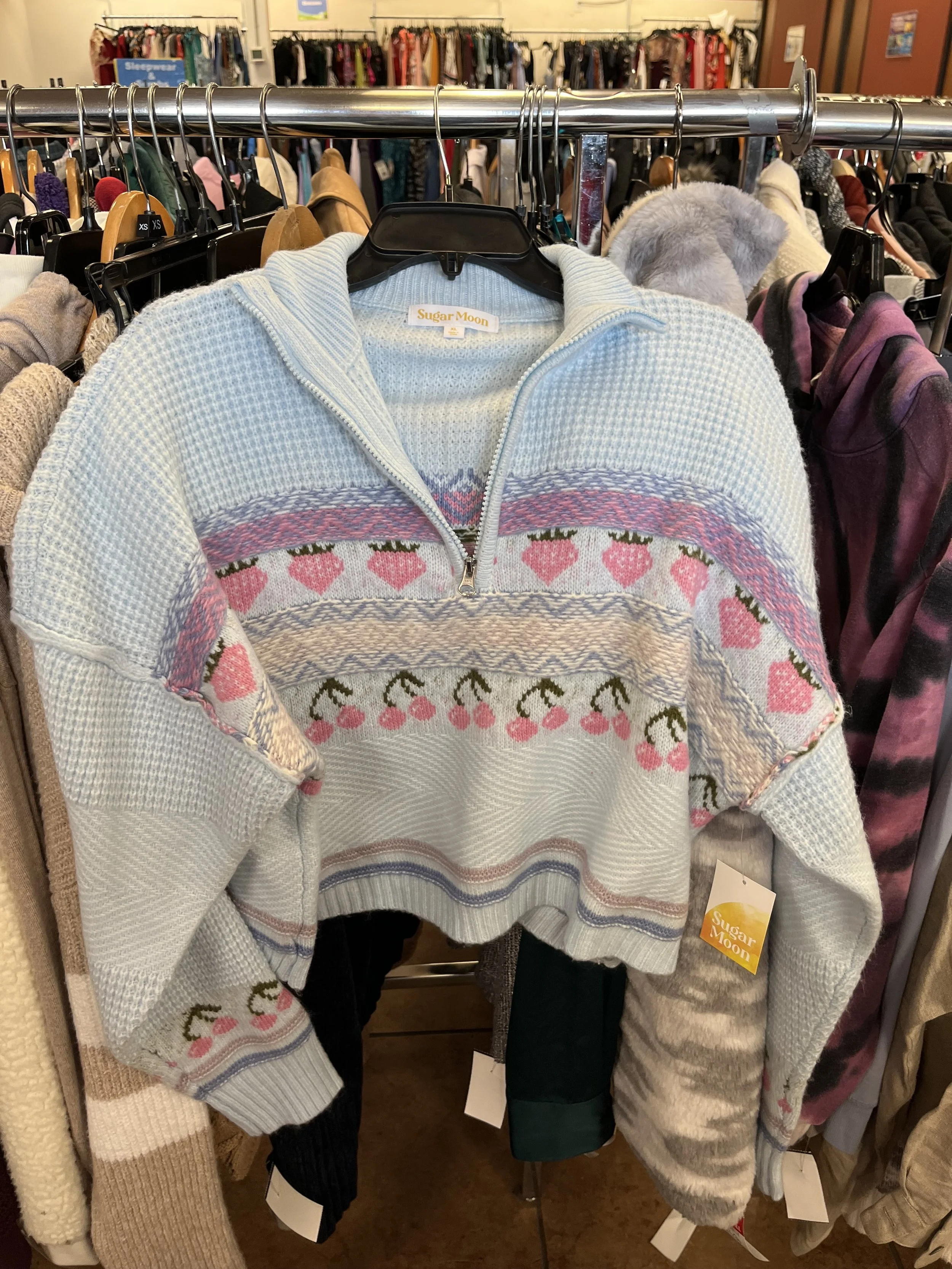
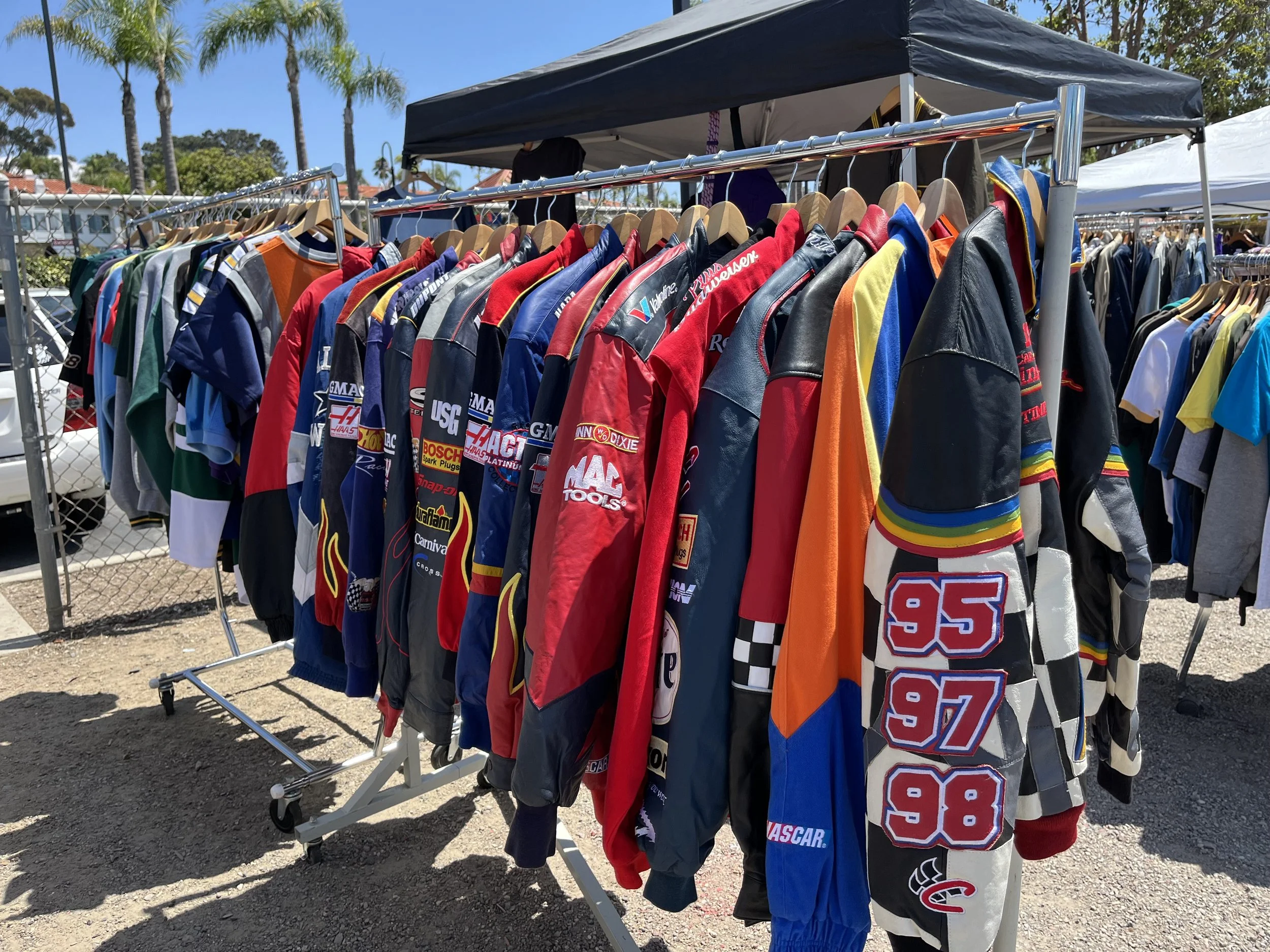
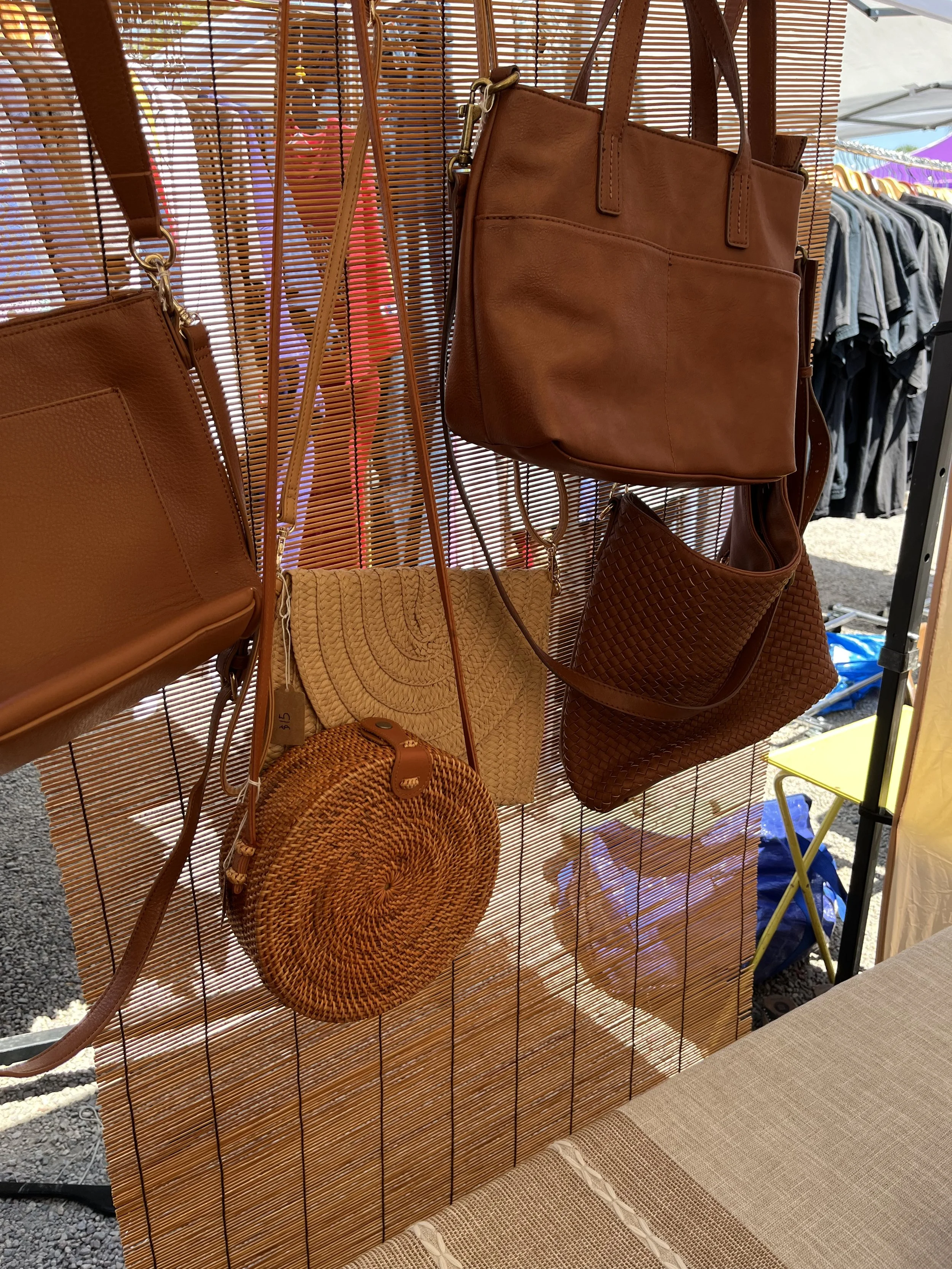
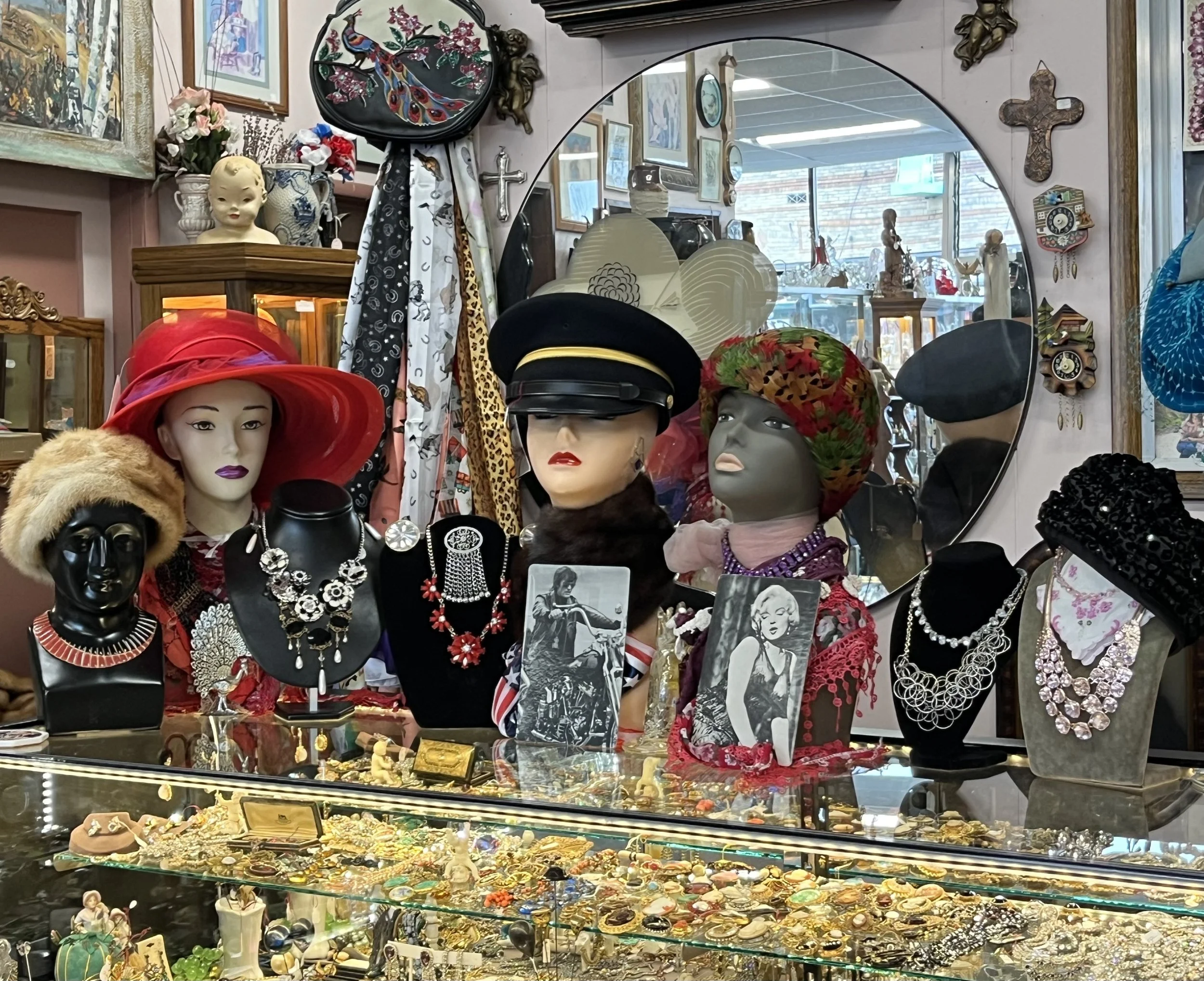
Flipping between hanger to hanger, you check the design, quality, brand and price tag of the apparel. Then you dismiss it, moving on to the next, until you stop on the perfect piece that makes you say, “Wow, that’s the one.”
There is a certain thrill in shopping for items second-hand. Thrifting is like a treasure hunt. You never know what you might come across, as the inventory of thrift stores is always changing. As you thrift, you feel an anticipation that builds as you’re hoping to come across a hidden gem that is unique and fits your style.
If you’ve never gone thrifting before, you might not know the benefits of it or where to get started. Some people might dismiss the idea of thrifting because the items are used and might have some wear and tear. However, I find that the pros outweigh the cons.
Here are my top tips for thrifting.
Why Thrift
First, you save money. Most thrift stores receive their merchandise for free and sell their items at a discount. A t-shirt that might’ve cost $30 at retail price could be discounted to $5.
Second, you’re saving things from the landfill and promoting sustainability. The EPA reports that in the U.S., 11 million tons of textiles are sent to landfills each year. To protect our environment, it is important to reduce our clothing waste and do our part in extending the life of our clothing.
Third, thrifting enables you to curate a unique wardrobe that expresses your personality. I’ve been thrifting since middle school, and at this point, about half of my wardrobe is thrifted.
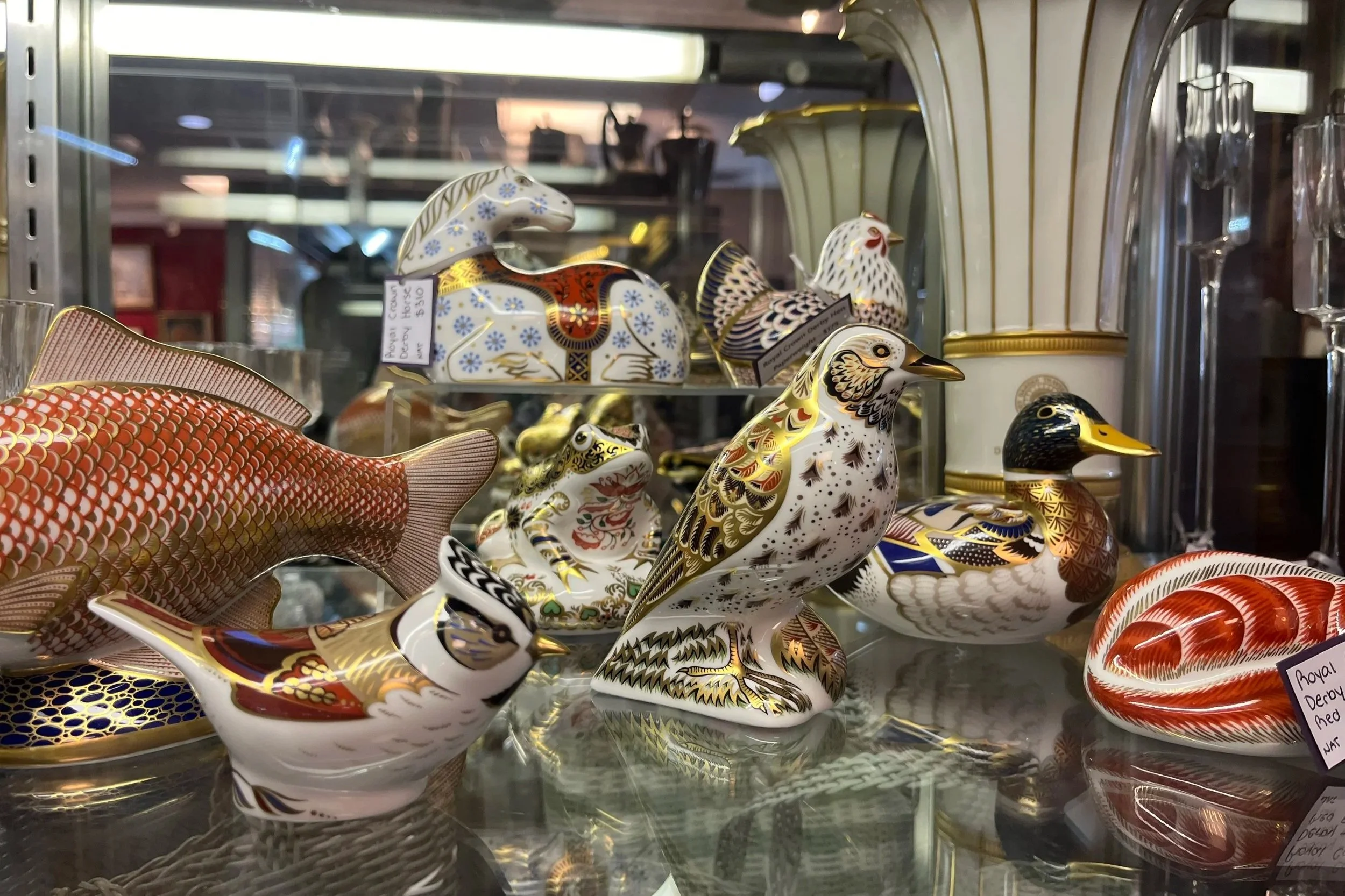
Where to Thrift
The next thing to consider is where you could go thrifting. There are multiple options for shopping for second-hand items.
Chain thrift stores, such as Goodwill or Value Village, generally offer a wide selection of items, but they often have higher prices, and their sections can be very picked over. On the flip side, they have consistent discounts and holiday sales.
Independently-owned, local thrift stores have smaller, more focused inventories. I’ve found that these shops usually have better deals and cool vintage finds.
Flea markets are street markets where vendors sell curated second-hand, handmade, or vintage items. If you want to haggle down the prices, support local artisans and small vendors, or find limited edition vintage items, flea markets might be your scene.
Yard sales are perfect if you’re on the search for affordable items, whether it’s furniture, clothing, or kitchenware. These are usually held in someone’s yard or garage with the aim of clearing out someone’s garage. Items are typically priced very low, or the host is willing to give you a deal.
How to Thrift
In my experience, I’ve found a few tips that make the thrifting experience smooth, thorough and worth my time and money.
Search every section, including pants, shirts, activewear, DVDs, home goods, etc.
Inspect clothing or other goods for stains and damage.
Figure out the day the thrift store restocks, and go early. The best items go fast.
Know your measurements and clothing sizes. Many thrift stores lack changing rooms.
Pay attention to the color of the price tags. Goodwill and Value Village use a color-coded system to offer weekly discounts.
Collect what you like in your cart, and then narrow down your items before checking out. Ask yourself if you’re going to use this item often.
With these tips and newfound knowledge, I encourage you to go to a second-hand store, flea market, or yard sale and immerse yourself in the exciting rush of the thrifting treasure hunt. You might find that statement piece you’ve been looking for and save money while you’re at it.