Boots & Boogie — Line Dancing in the ‘Burg
story by Grace Thompson, photo and video by Tyler Diltz, design by Taylor Downard
Recipient of the Arts/Entertainment/Cultural Affairs Student Production Award from the National Academy of Television Arts and Sciences Northwest Chapter
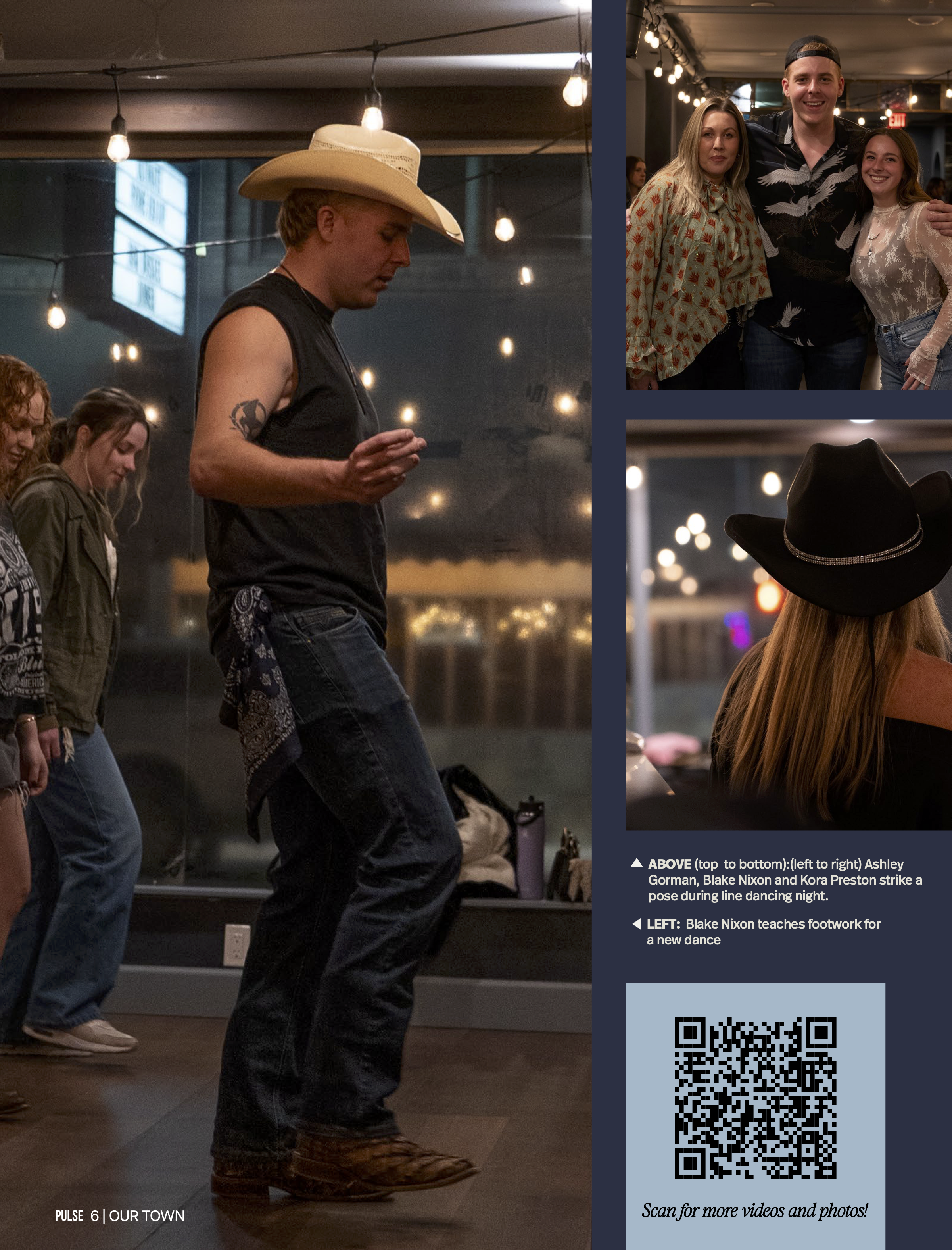
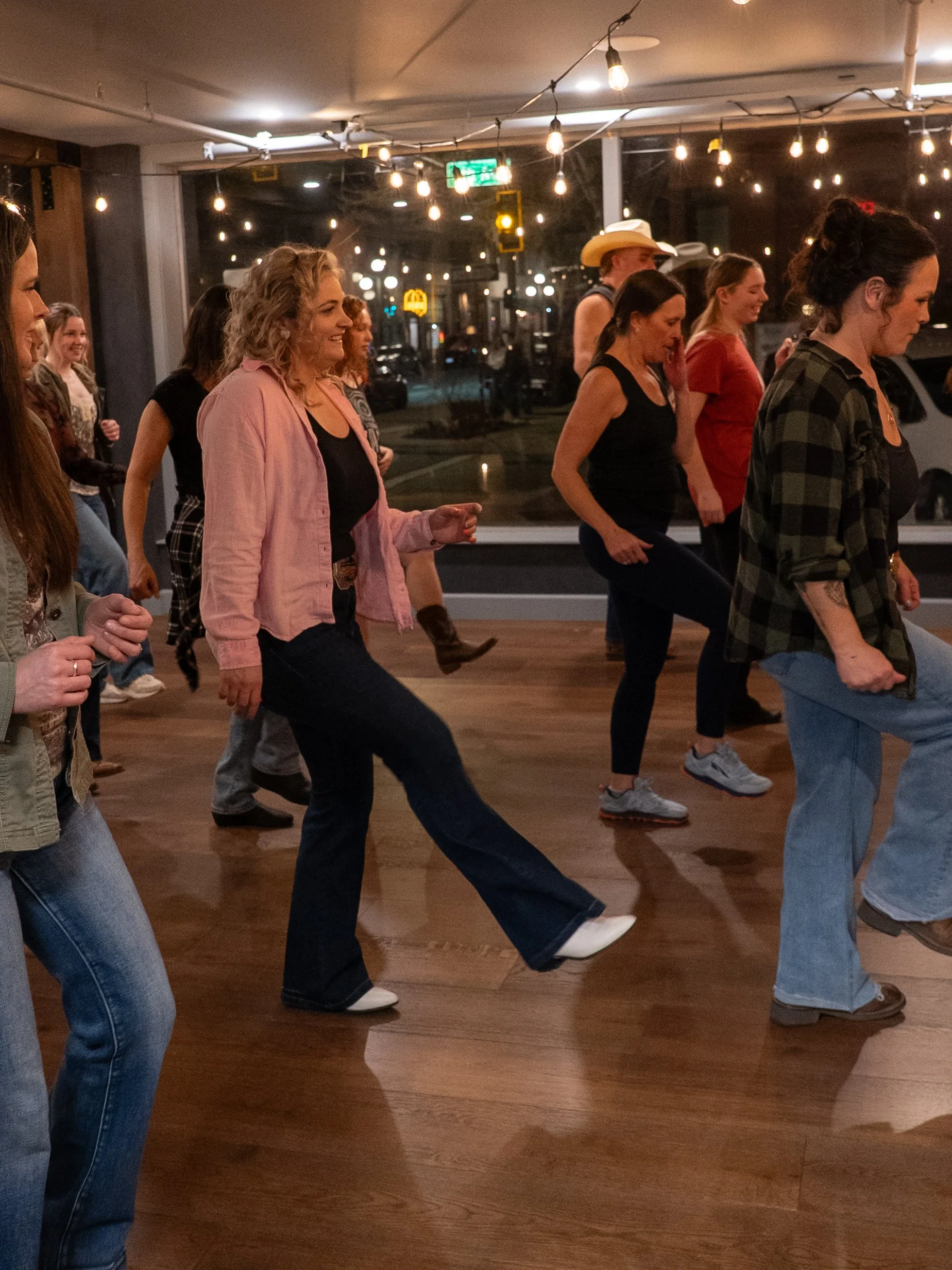
Feet shuffling and boots tapping to the beats of country hits. Laughter fills the room as beginners and seasoned dancers alike find their rhythm. The dance floor is warm, loud and alive. Lined with floor to ceiling windows framing downtown Ellensburg, the night begins as the room fills and the glass slowly fogs over from movement. Hearts and smiling faces are written in the condensation on the windows and when each song ends, clusters of dancers exchange high fives and smiles making this night only the beginning.
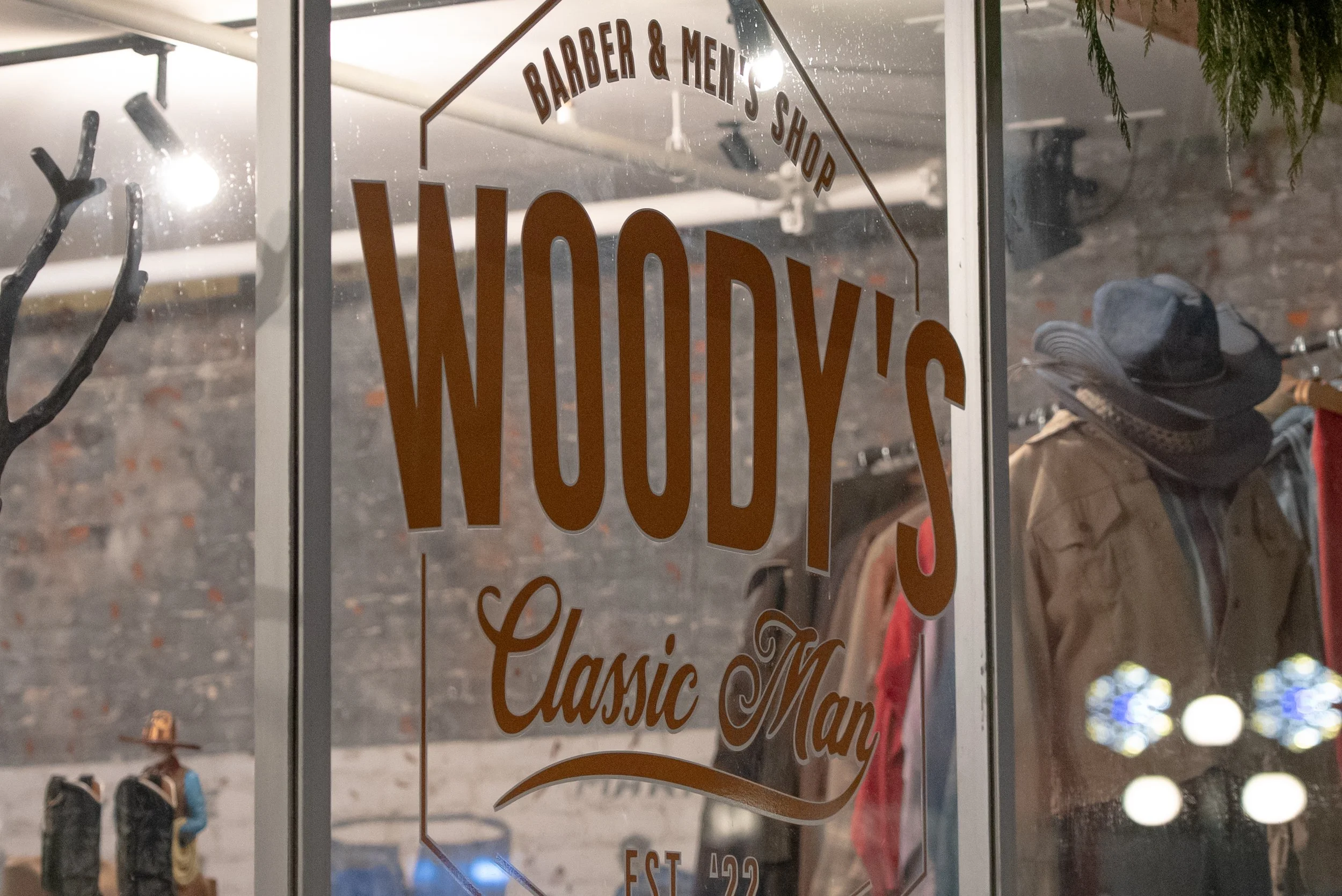
Ellensburg Friday nights can be a bit repetitive, but Woody’s Bar downtown transforms into a lively dance floor, offering something different without trying to reinvent the wheel. Central Washington University students and local residents step in sync as line dancing has become a regular fixture at Woody’s, offering a structured but casual way for people to spend a fun night out. Long time residents and newcomers share steps and familiar music, creating room for conversation and connection, turning a bar into a space that makes people keep coming back.
Woody’s is owned by Woodin Enterprises, a locally based company that operates several boutique stores across Central Washington. According to Ashley Gorman, director of operations for Woodin Enterprises, the vision for the building was always geared toward community engagement.
“We envisioned the building being an event center,” Gorman said. “Line dancing has been the one event that has really hit and resonated with the college kids.”
What is Line Dancing?
Country music, which would later become closely associated with dancing, developed from regional folk songs of American settlers. These songs varied widely by state, county and town, each with distinct rhythms and styles. The dances performed alongside this music were equally localized, reflecting the customs and social life of individual communities.
Line dancing took more shape in the 1970s, marked by widespread dance trends and social dancing across the United States. While the era is most commonly associated with disco, it started to transform within country music. It grew in popularity and widespread choreographed group dances became more common.
Today, line dancing continues to evolve across many musical genres but maintains its accessible culture. Changing musical trends and social spaces, it still remains closely tied to country music and Western bars. Modern line dancing is performed to a wide range of musical styles, including pop, hiphop, Latin and even rock. The many genres help line dancing stay relevant to today’s younger audiences. Platforms like Tiktok, a dancing app, and many creators made line dances that are now danced to in bars around the country which helps keep line dancing a continued fun social event that brings in many different age groups.
Why Are Students Lining Up?
Unlike the typical bar environment, line dancing follows a structured format that can make social interaction more accessible. For students interested in trying a new activity but hesitant about unfamiliar social spaces, the organized nature of line dancing offers an alternative. For dancers such as Kora Preston, a freshman majoring in secondary math education and stem teaching at CWU. She learned about the event through Instagram, the experience has extended beyond a single night out.
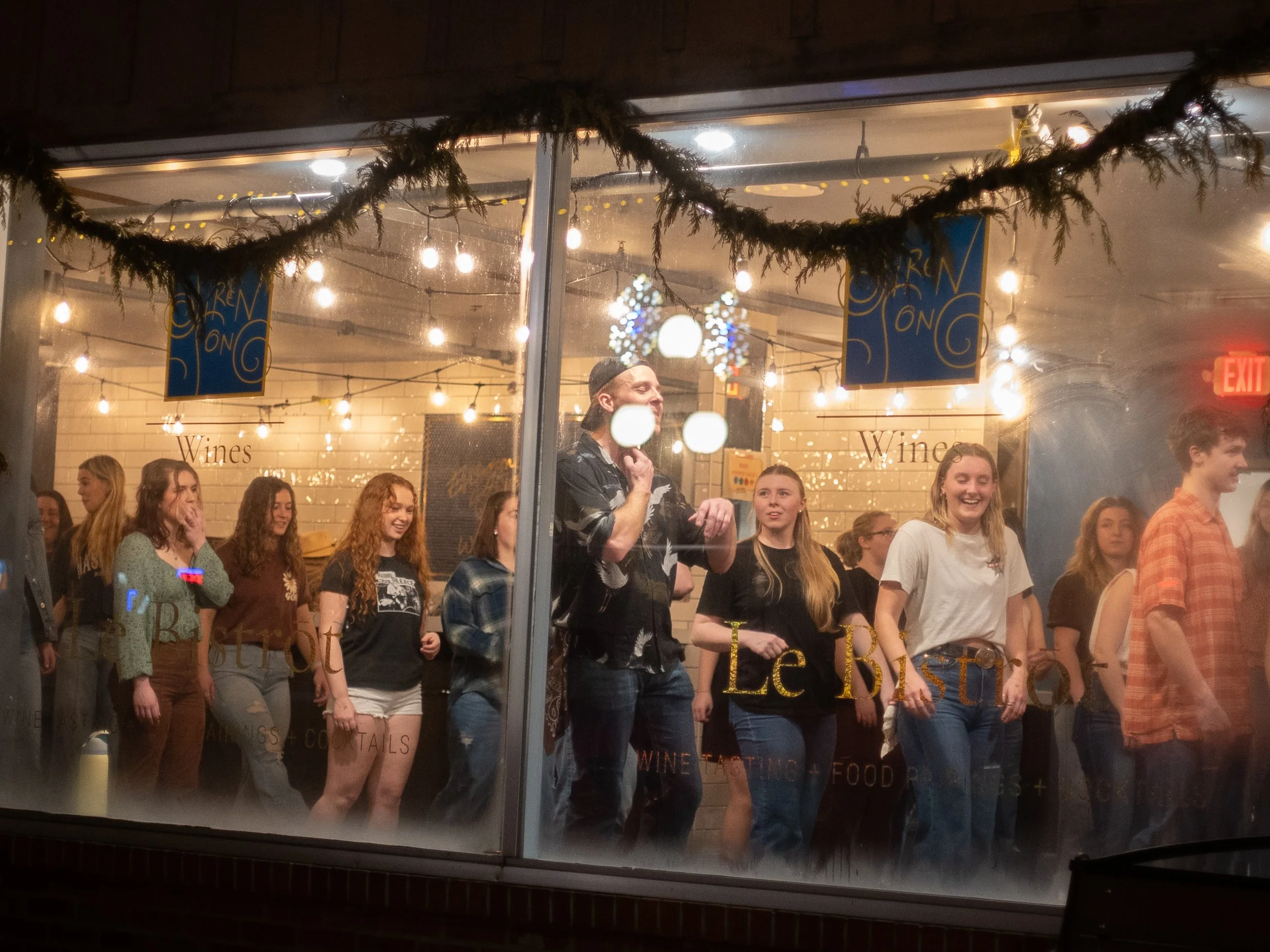
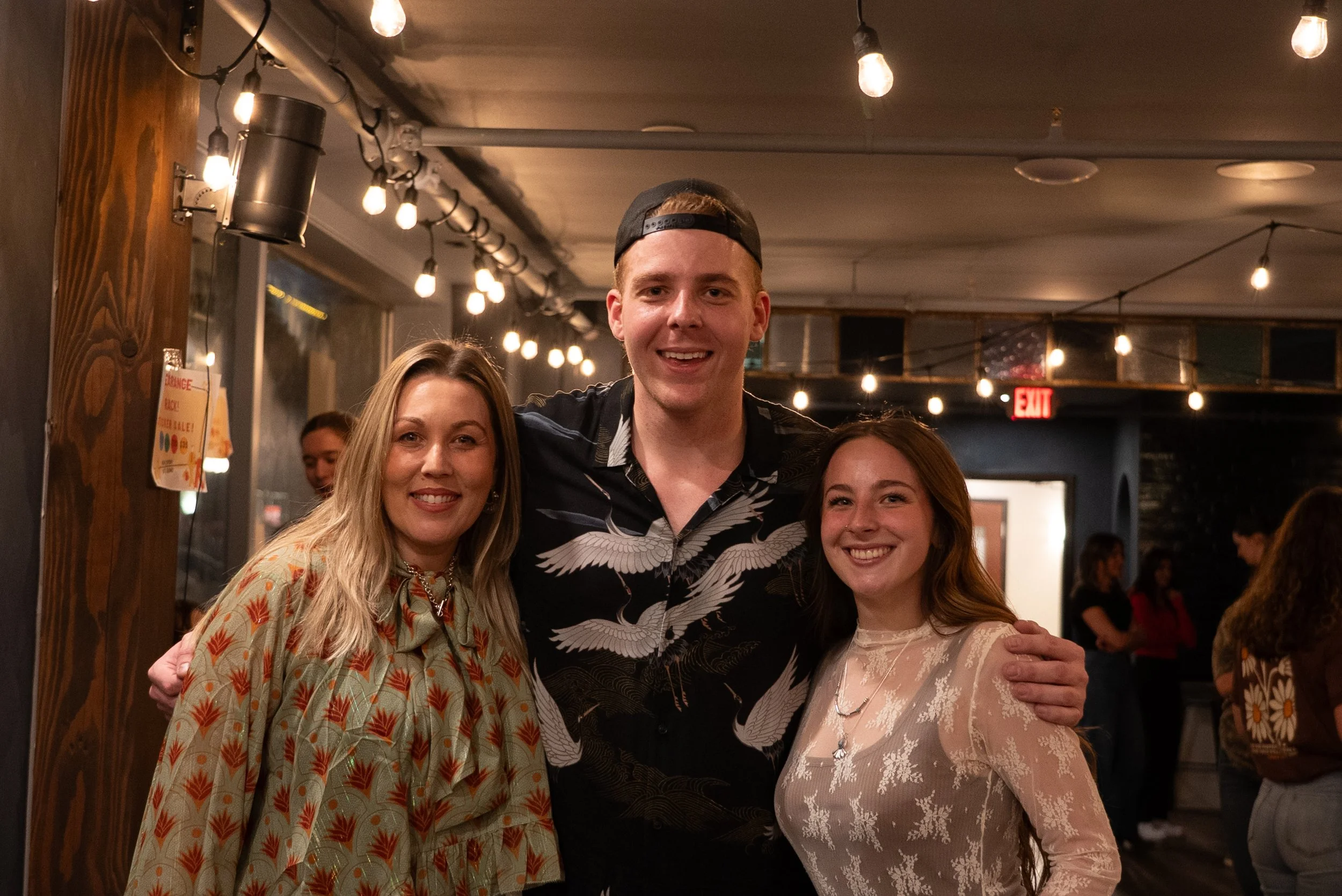

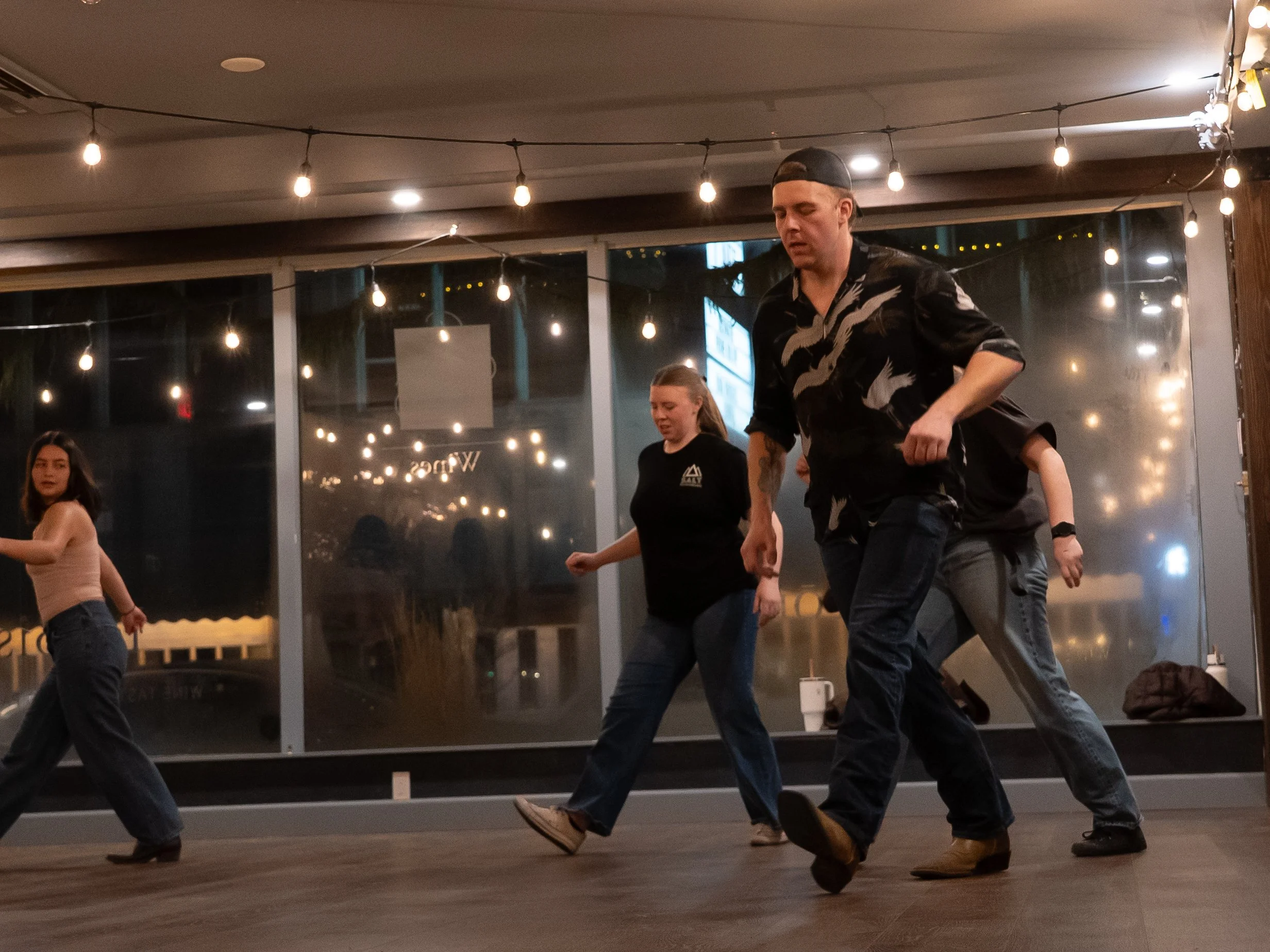
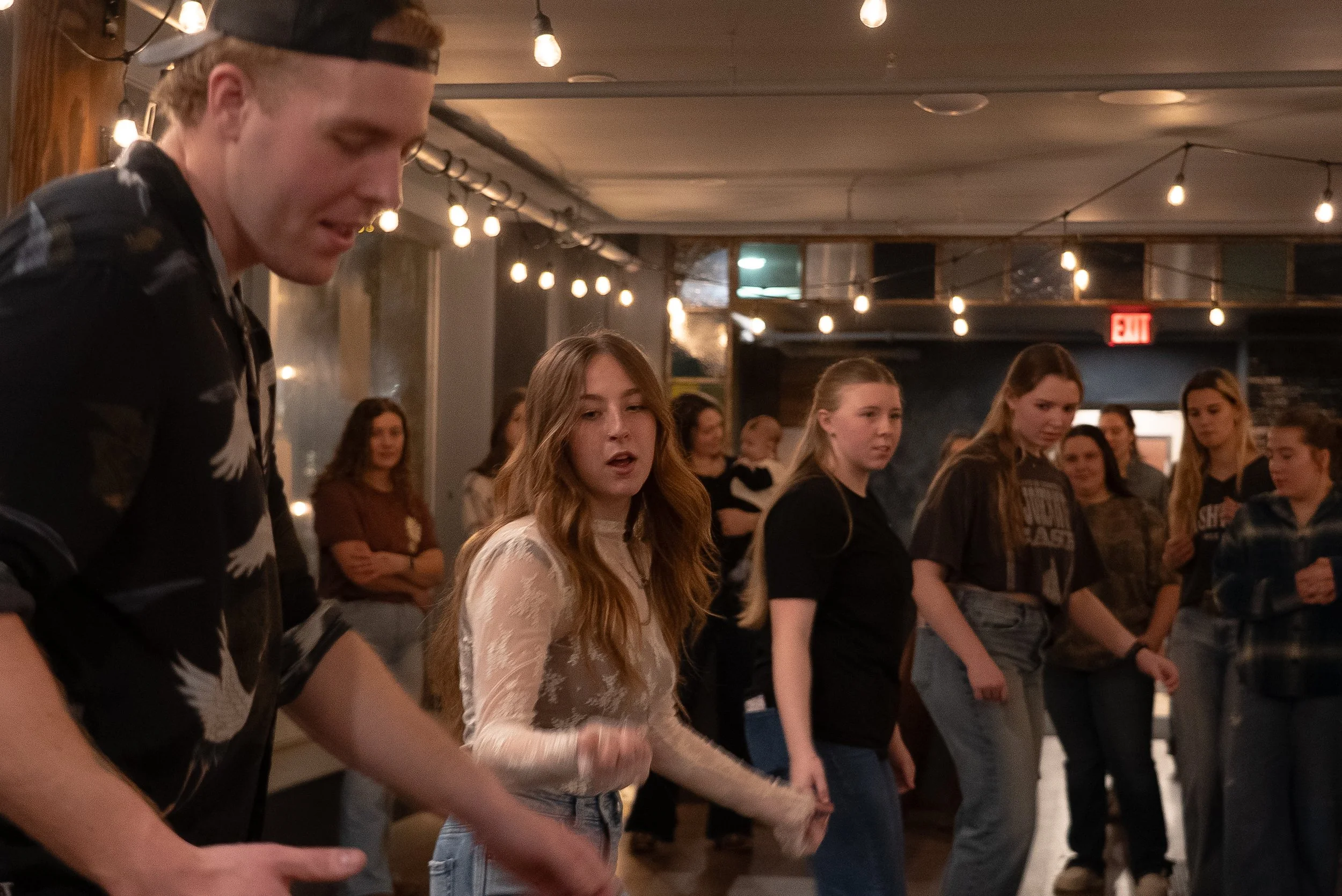
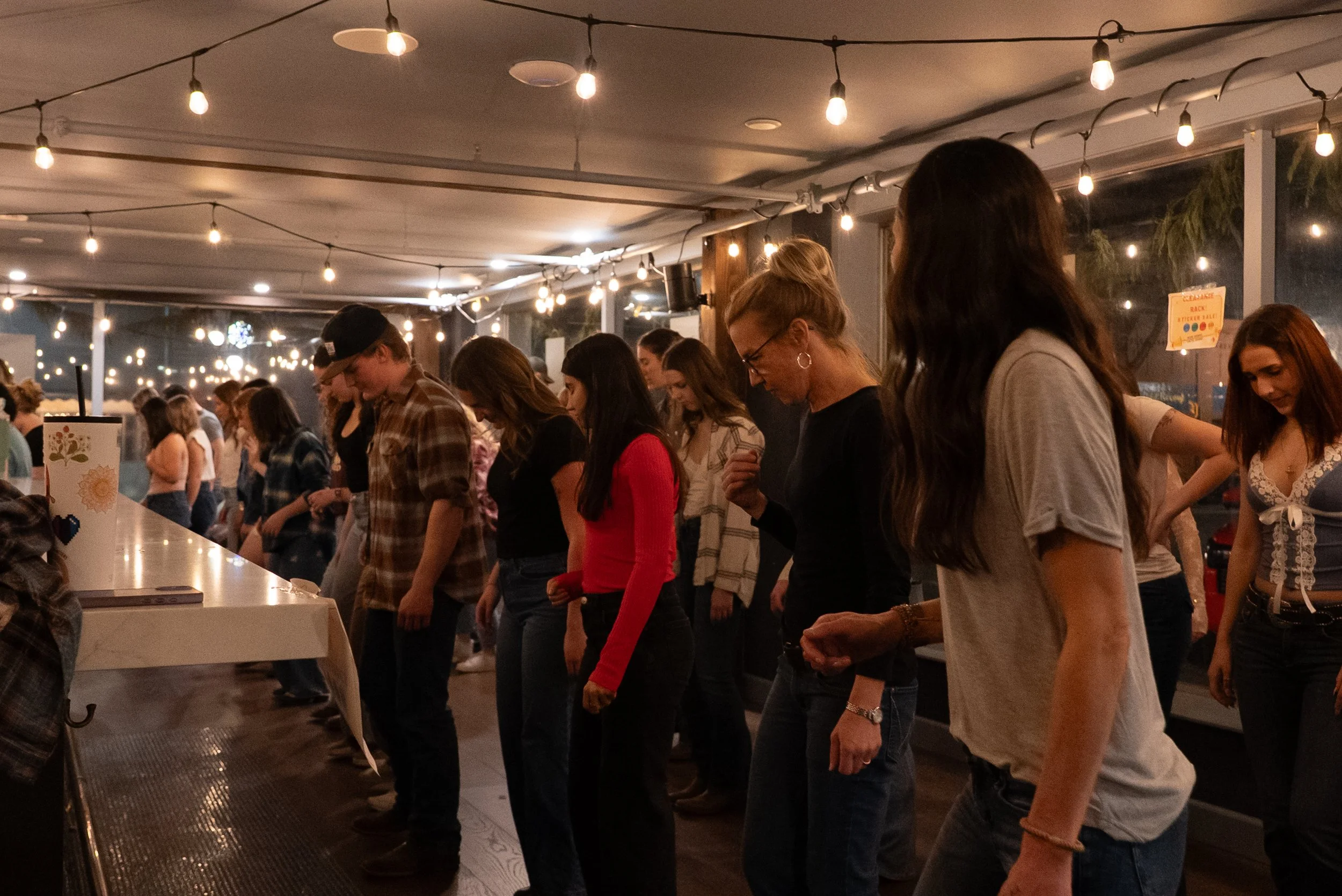
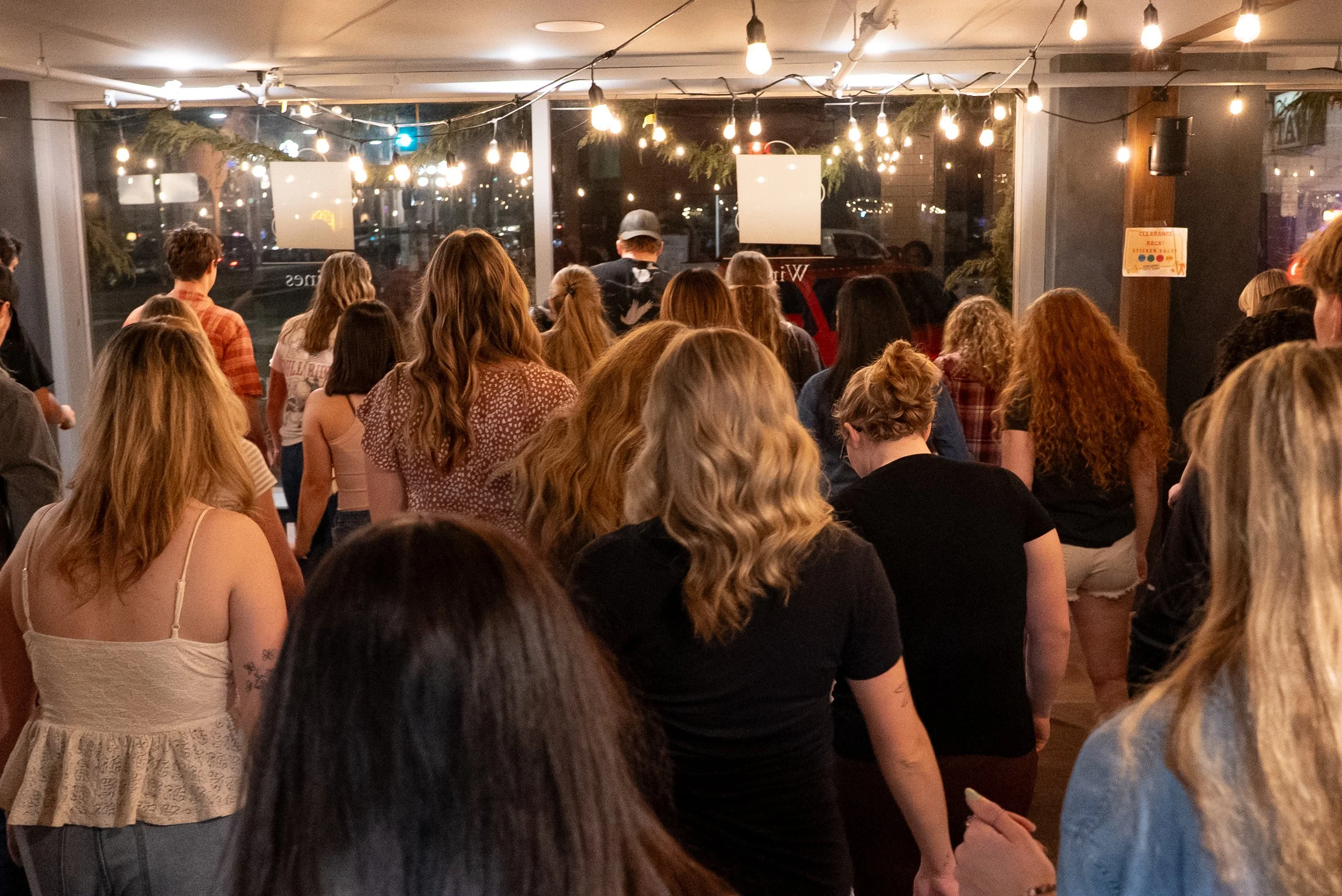
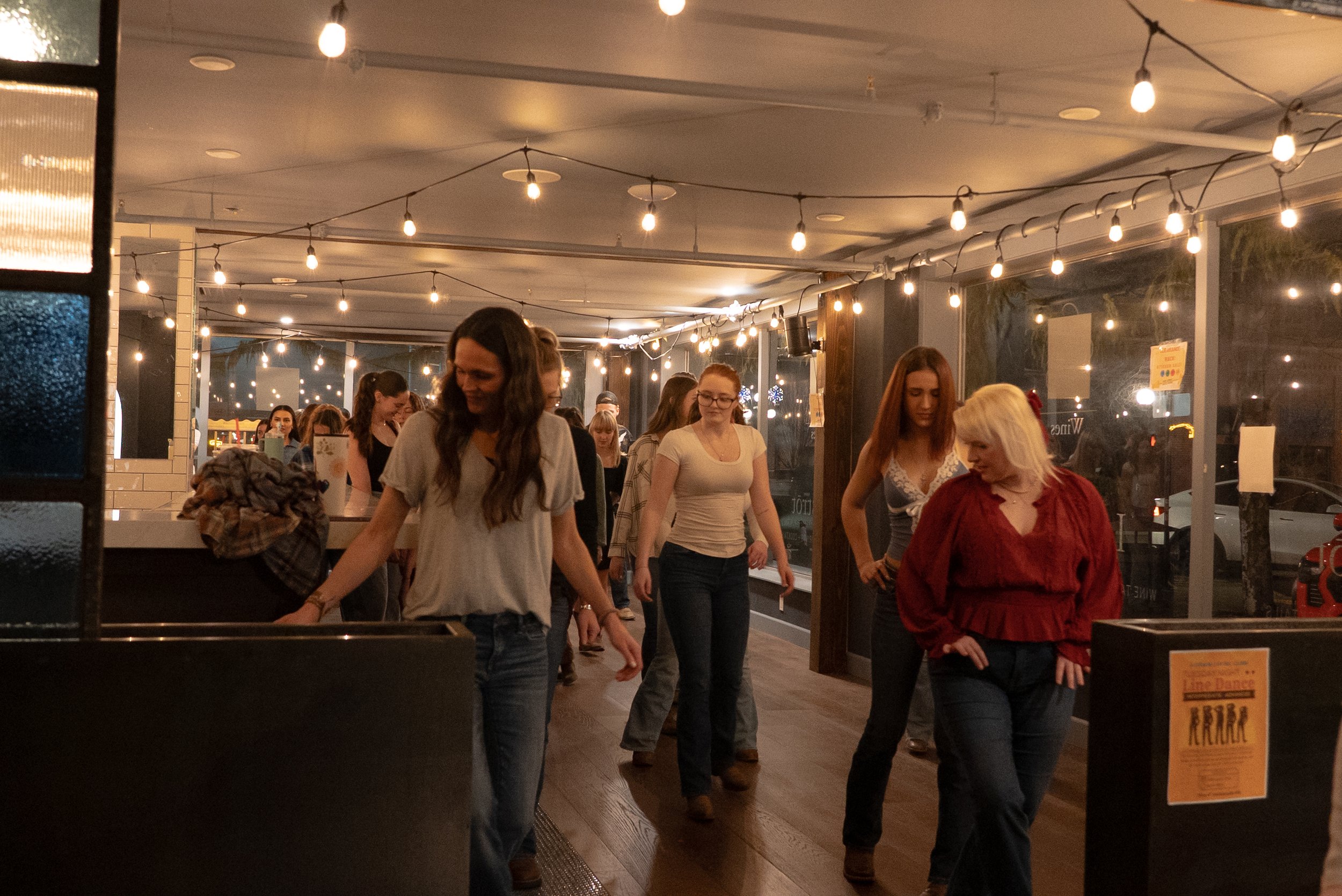
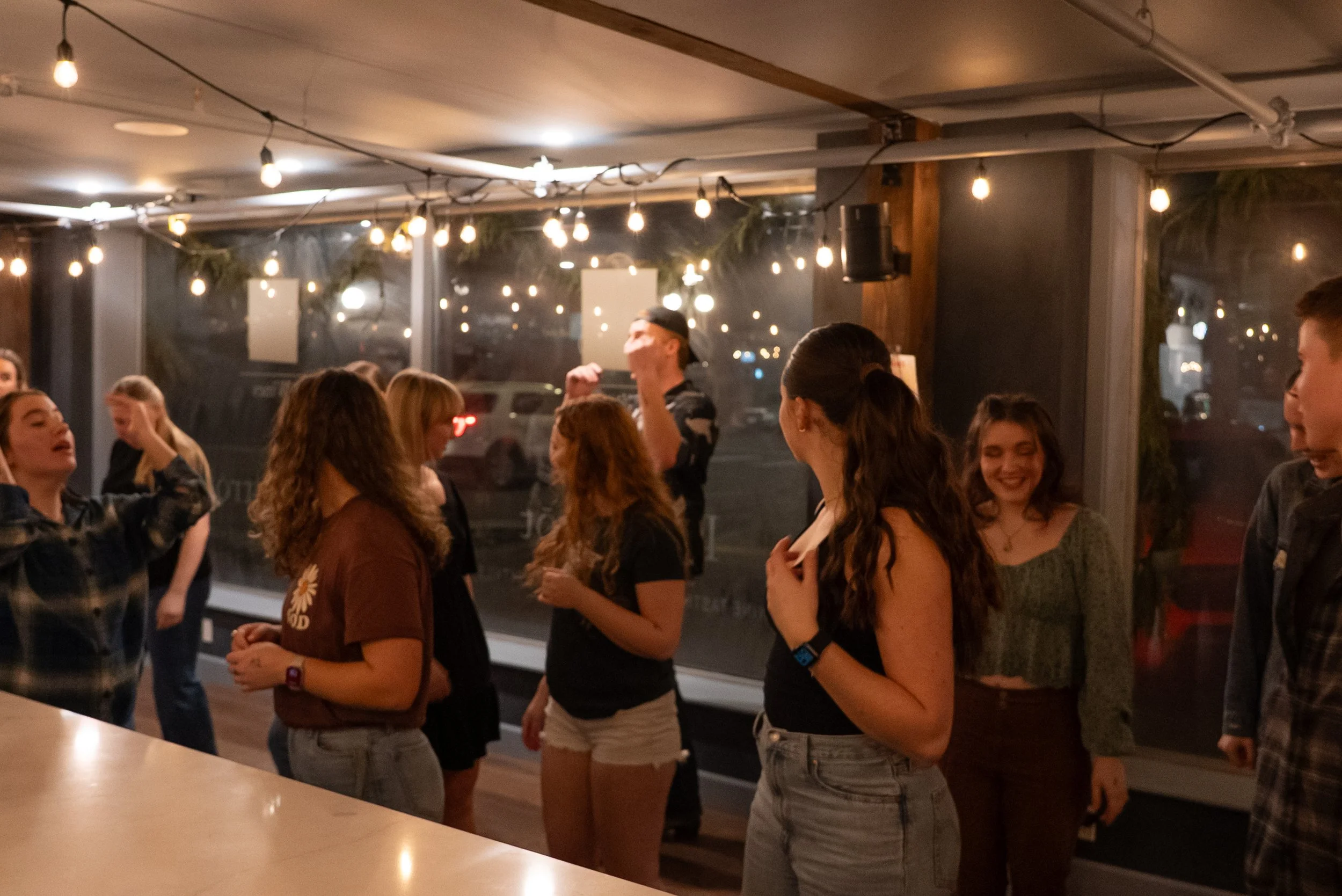
“There’s a large majority of college students who are underage and can’t get into bars,” Nixon says. “So how do you fill those niches? This gives people something fun to do without a barrier.” For many CWU students, this is appealing because of the accessibility and atmosphere. “The classes naturally blend students and locals, creating a rare social overlap.” Nelson says. “I see a little bit of both, and it honestly just brings everyone together. Everyone gets to dress up, have fun, and do the same thing.”
That welcoming atmosphere is what convinced Preston to attend her first line dancing
night at Woody’s. After seeing an Instagram post shared by a friend, Preston says she decided to push past their social anxiety and go. “The opportunity to never stop learning new dances is what keeps me coming back,” Preston wrote. “Learning the routines and then repeating them over and over again for the duration of the song is super therapeutic to me.”
Line dancing plays a key role in the event’s appeal. Dancers don’t need partners, and everyone follows the same steps, eliminating much of the social anxiety that can come with unfamiliar nightlife spaces. Having line dancing in Ellenburg also gave Preston a sense of familiarity and comfort after moving away from home.
“The atmosphere at Woody’s is electric,” she says. “Everybody is always so supportive and nonjudgmental to new learners. The vibes are always so high even though we all get way too sweaty in that little room.”
Nelson’s advice? “Don’t be nervous.” She recalls: “The first time I went line dancing, I was laughing at myself to the point where I had tears coming out of my eyes. It’s really just about being there for the experience.”
What Inspired the Idea?
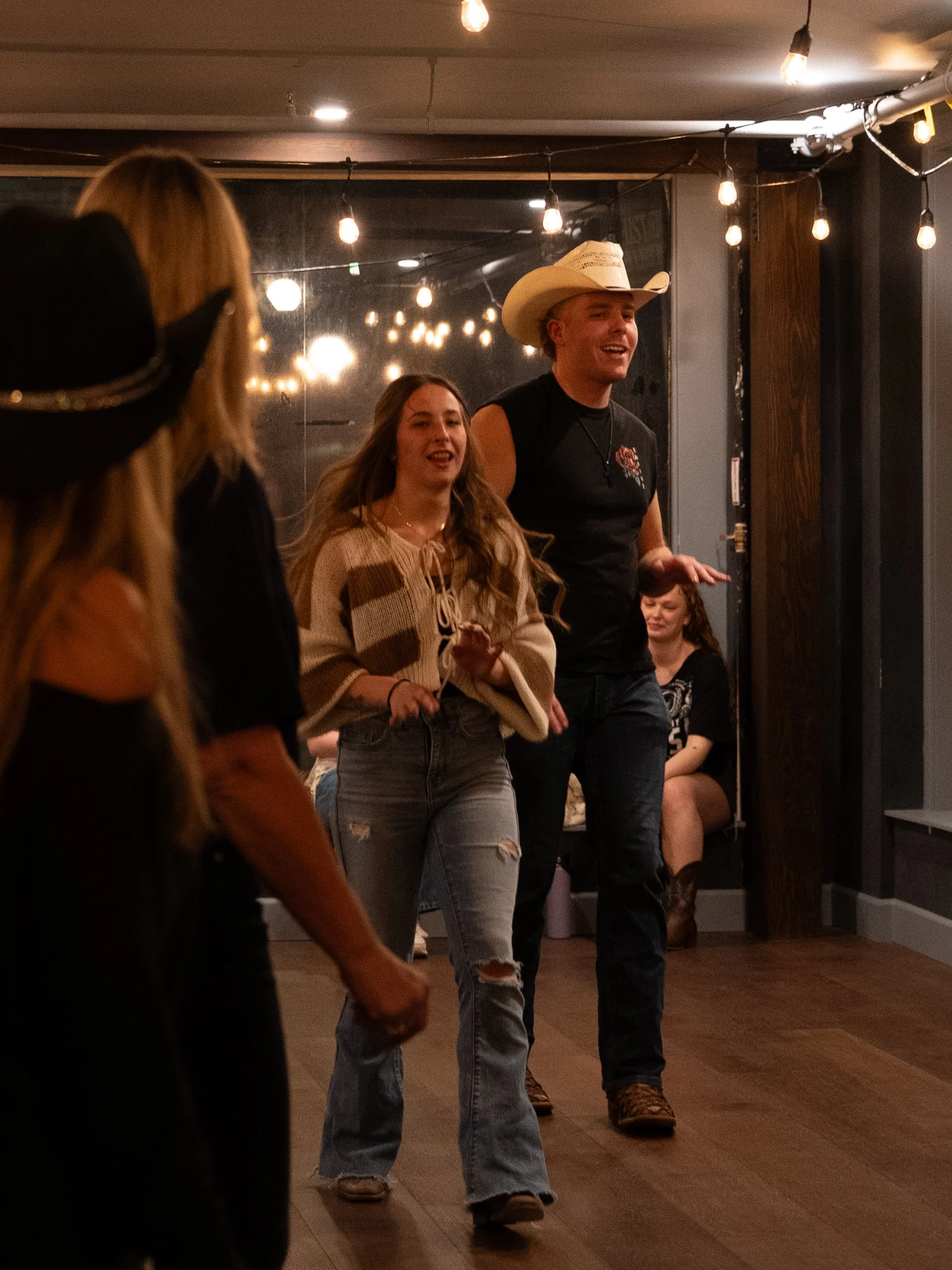
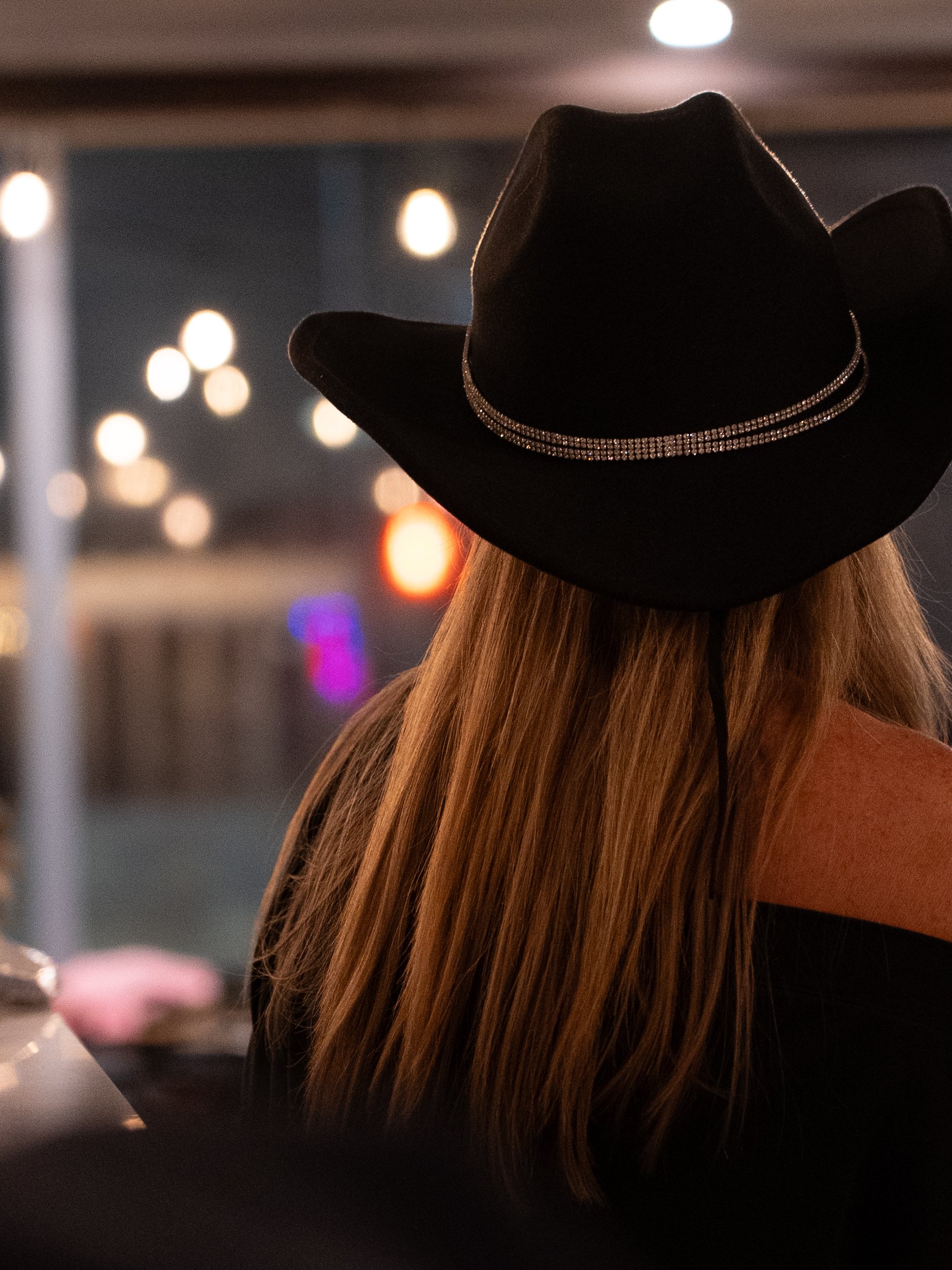
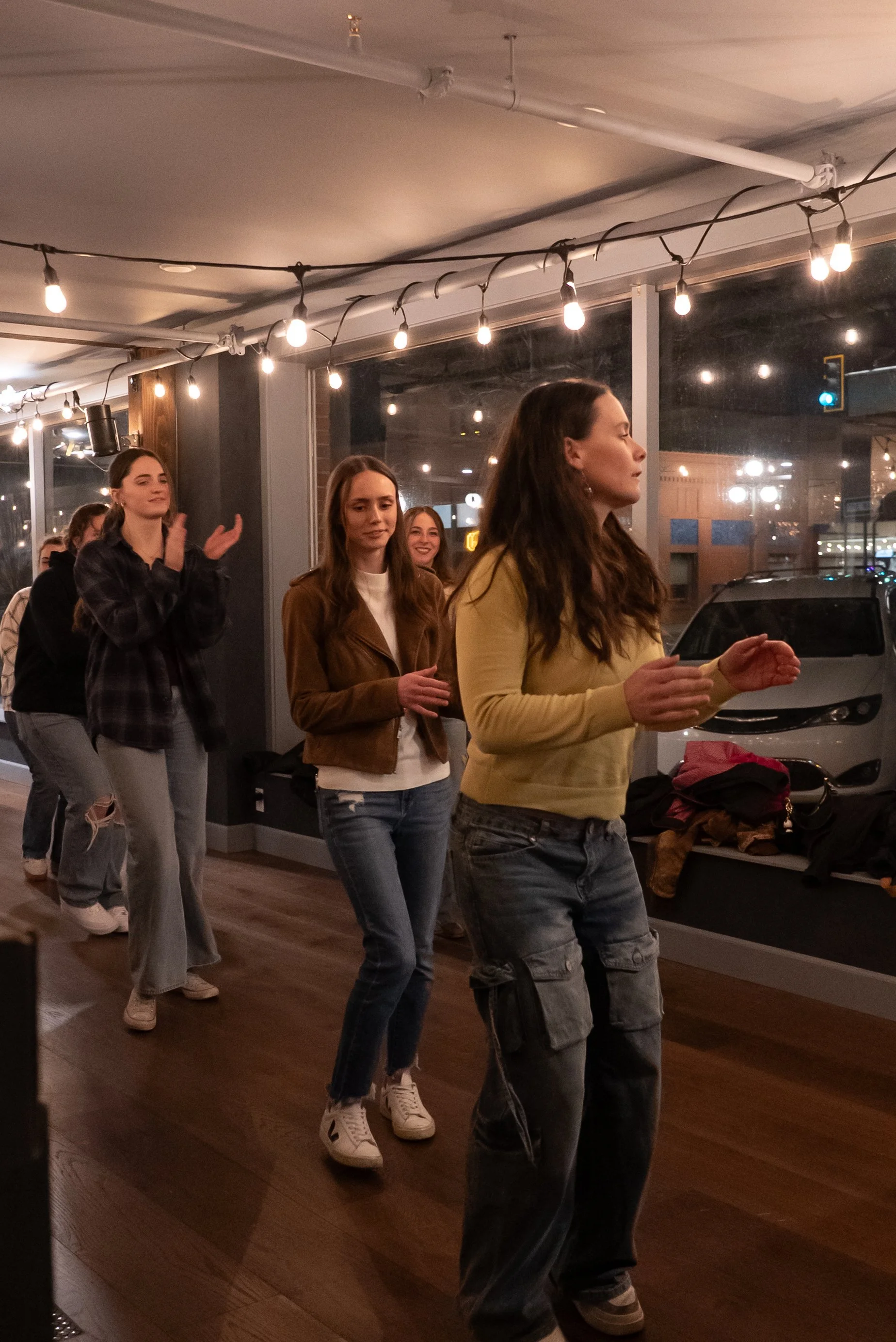
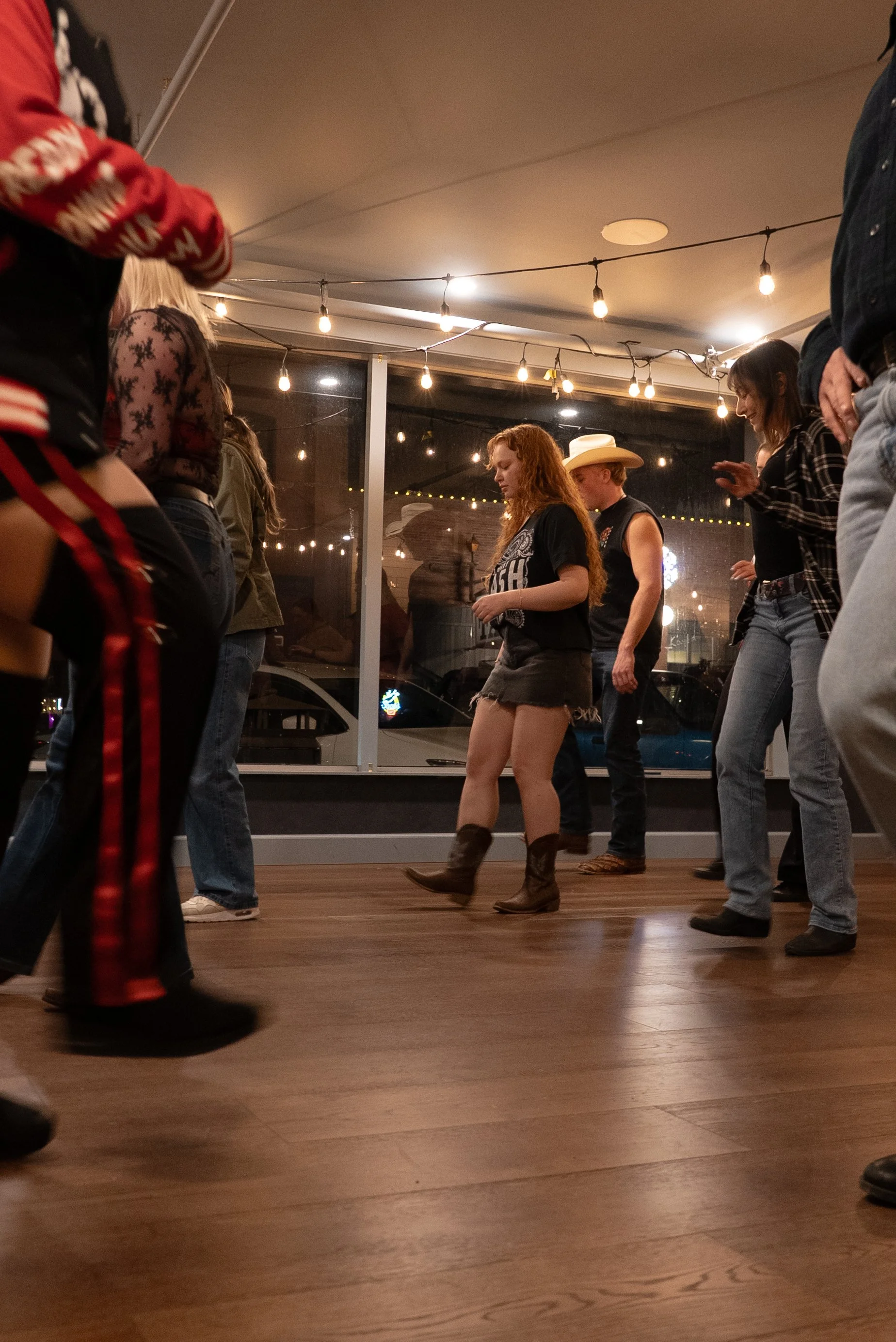
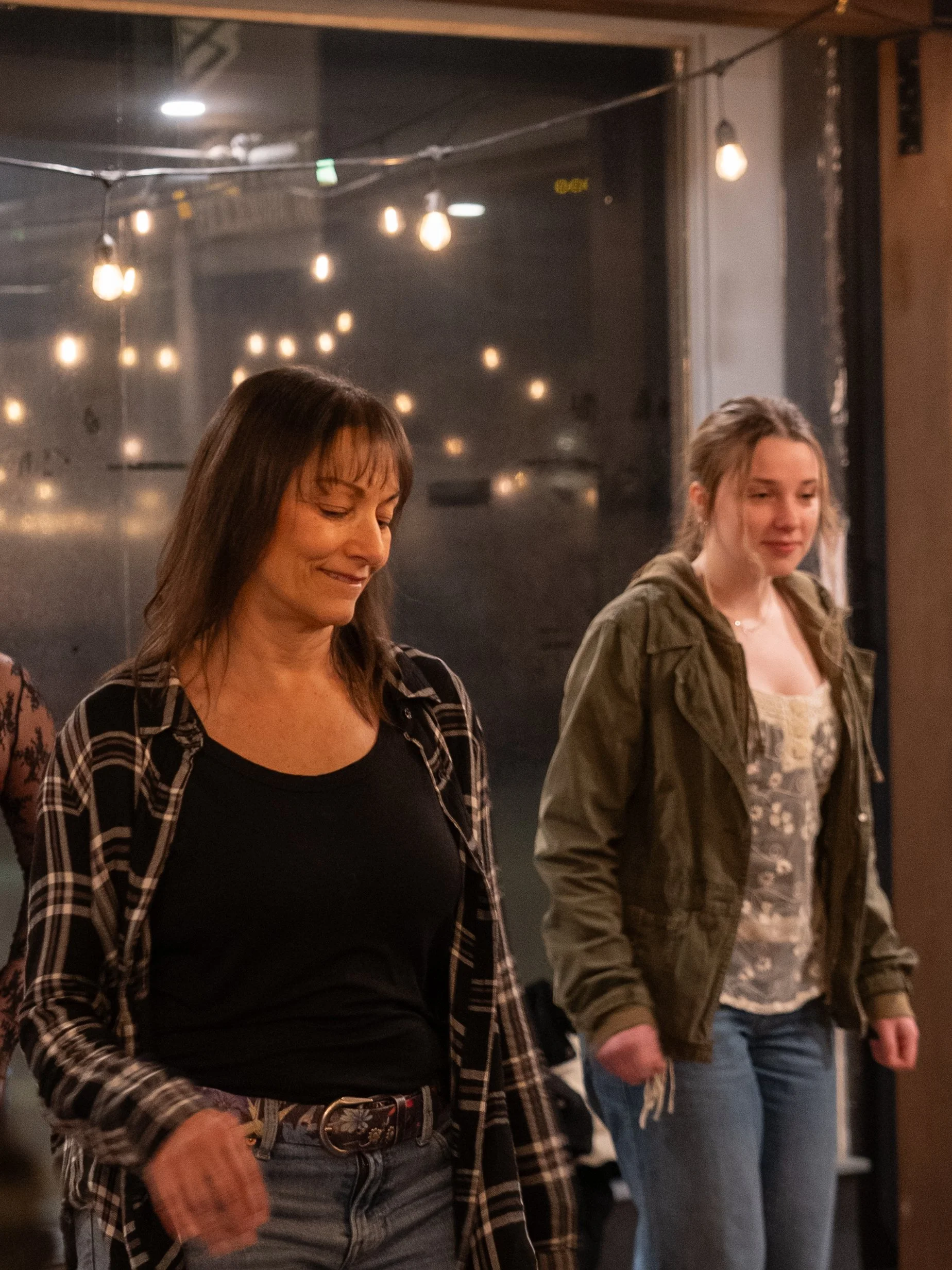
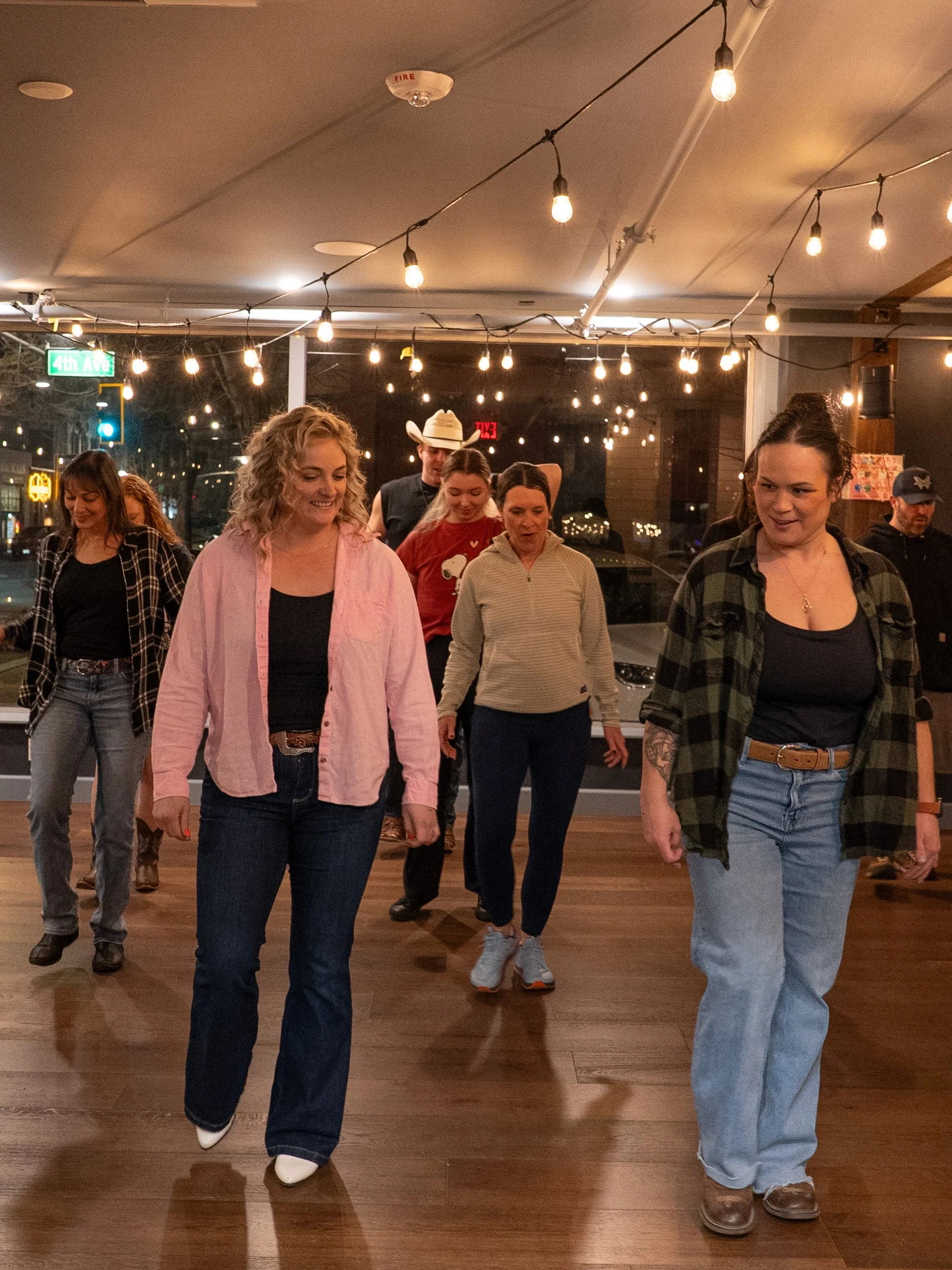
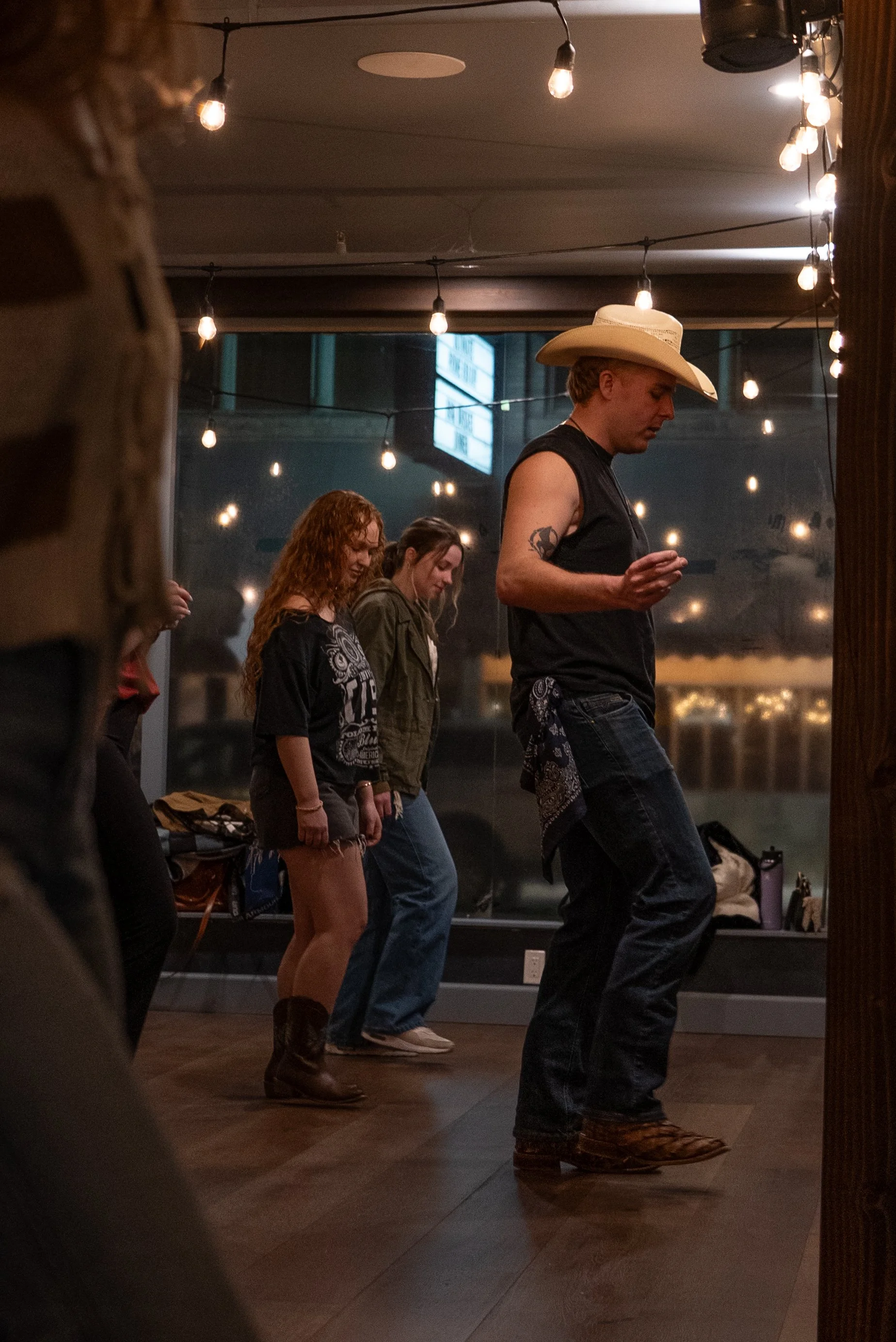
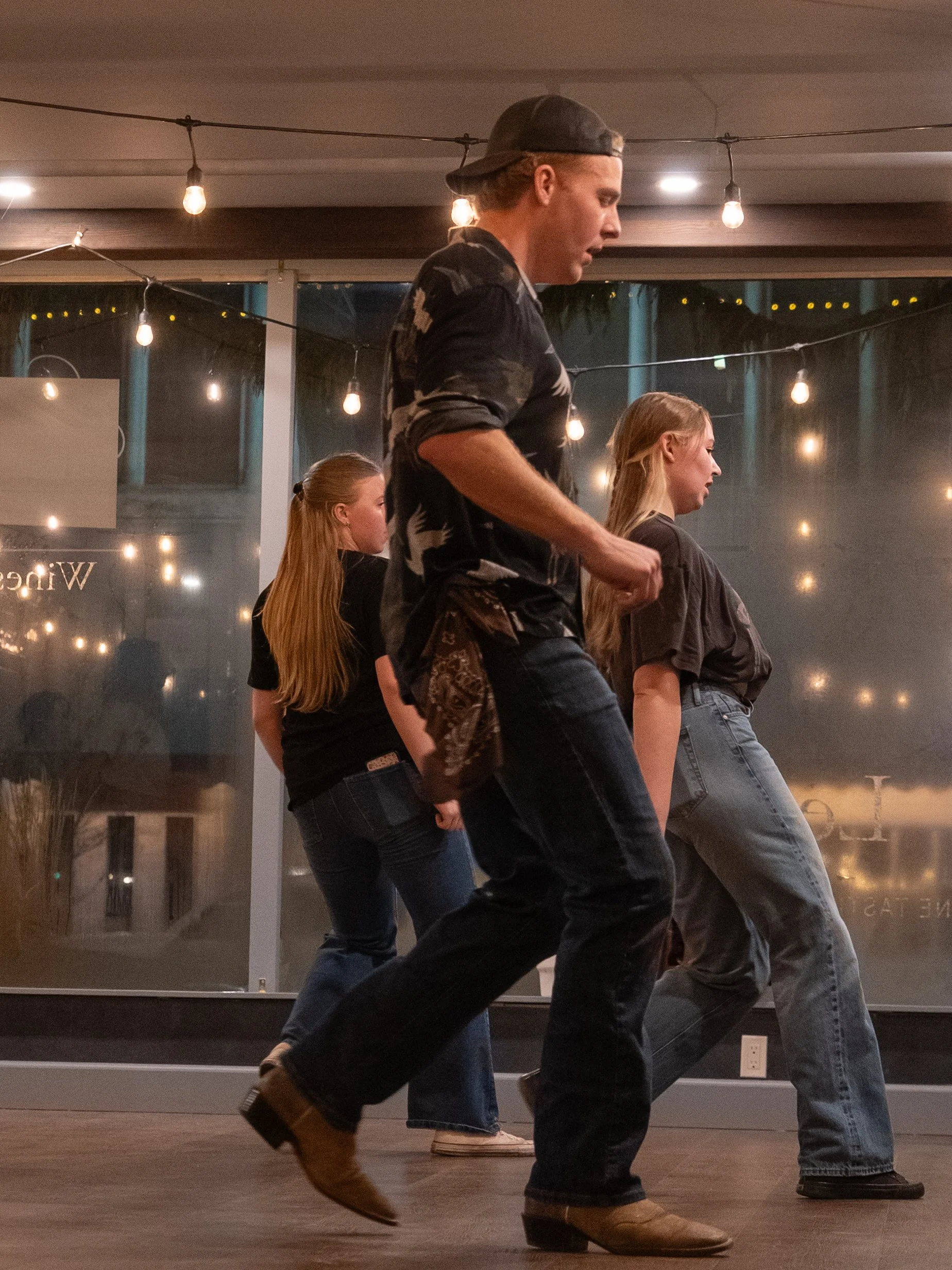
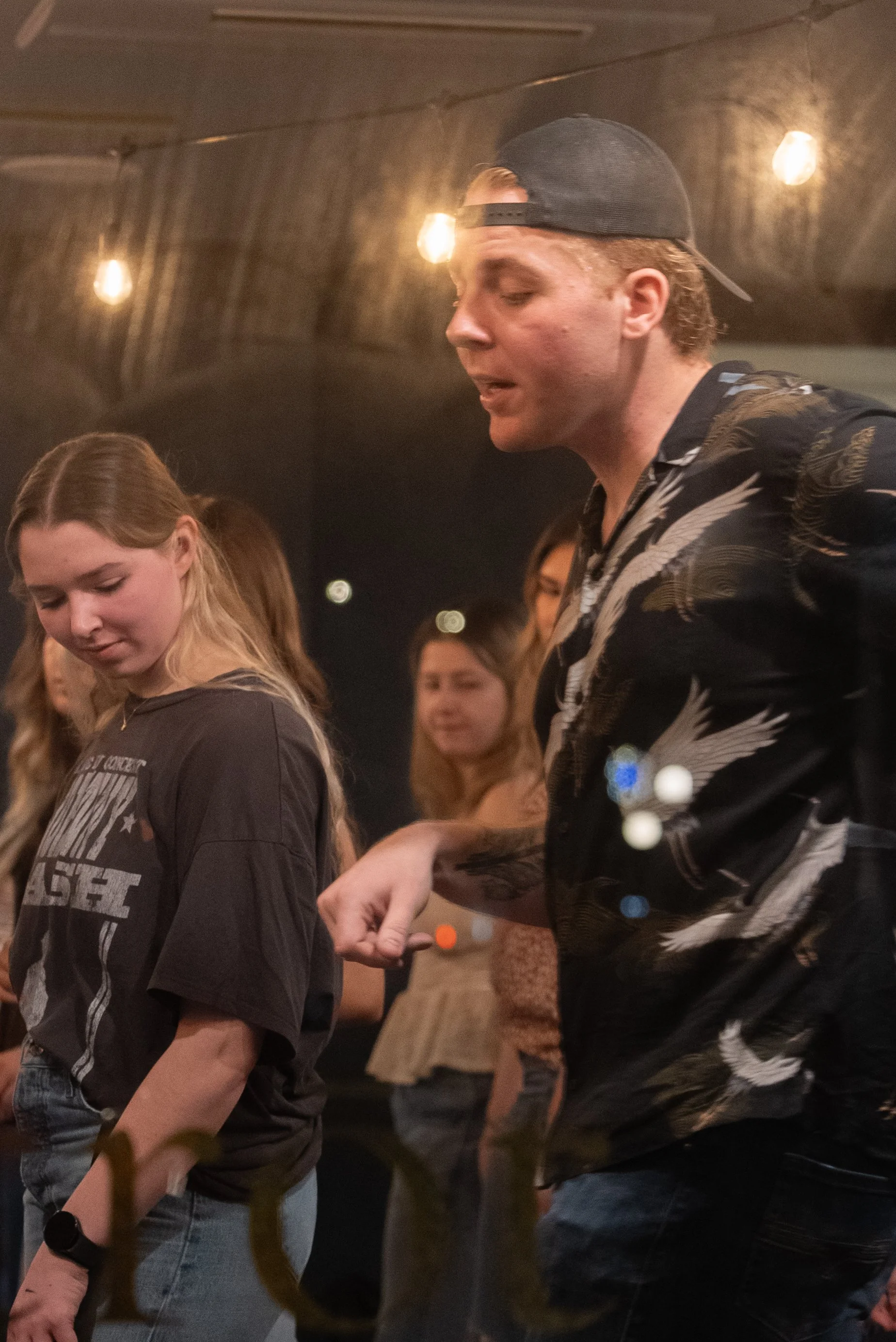
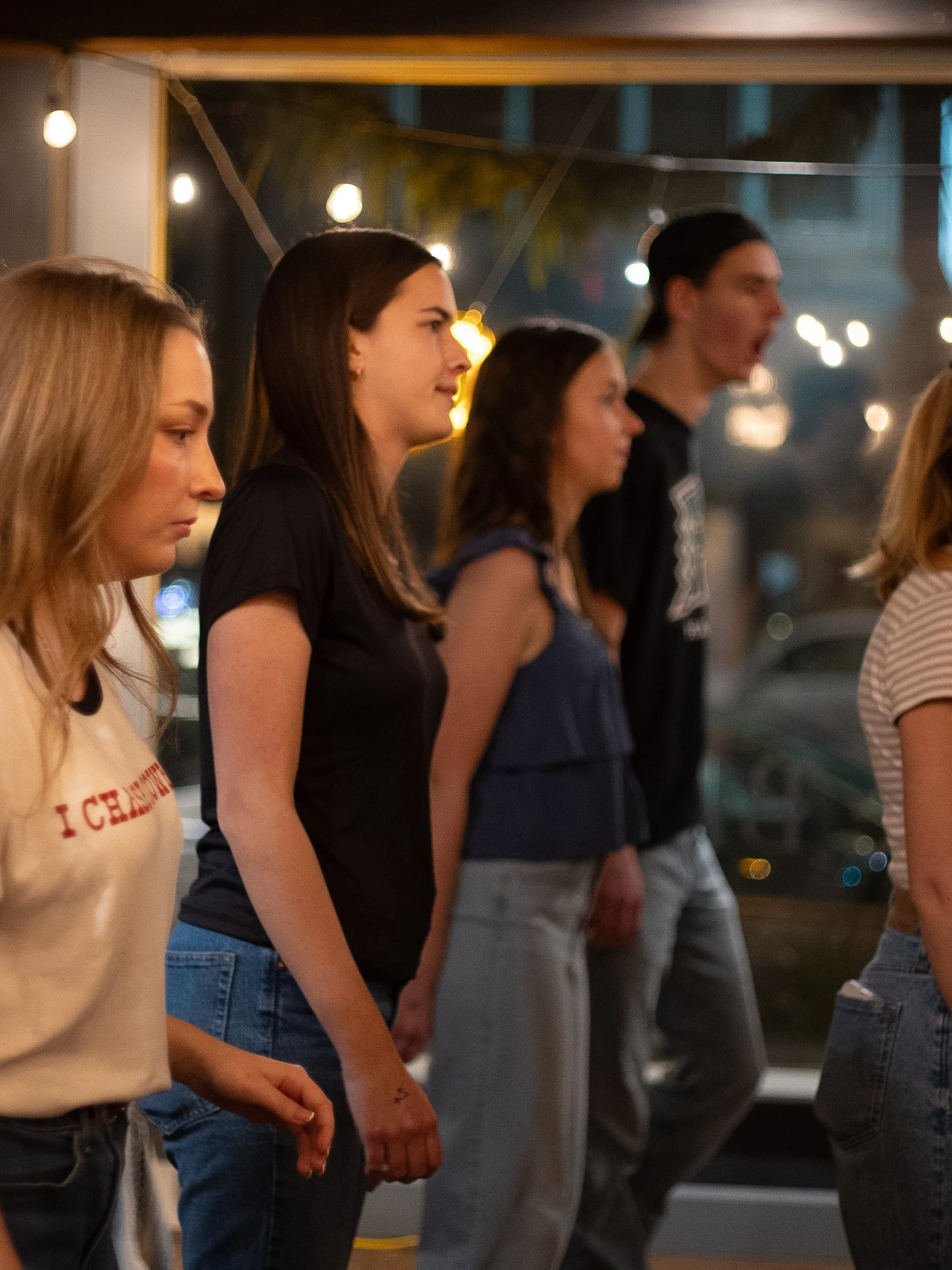
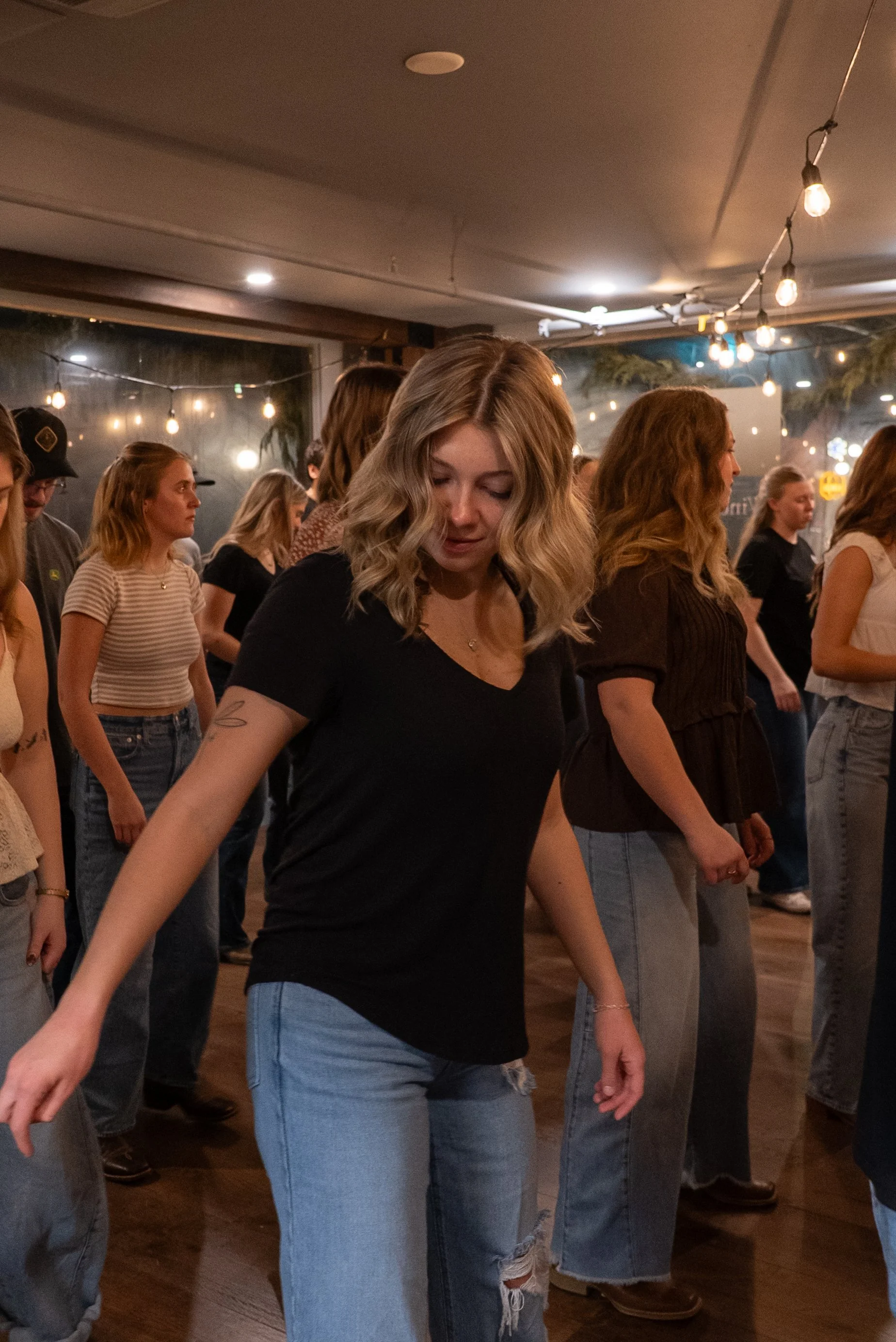
The idea for line dancing emerged during a slower winter season, when Woody’s was searching for ways to consistently bring people into the downtown space, part of the repurposed Fitterer’s Building. Gorman says that when she moved to Ellensburg, she personally missed having a place to go line dancing and saw an opportunity to introduce something new. Instead of hiring an outside company, the idea was turned over to Blake Nixon, store manager of downtown shop Woody’s Classic Man, and Chloe Nelson, an employee at Ellensburg Sweet Spot (both businesses in the Fitterer’s Building), who stepped in as instructors.
“I overheard my boss talking about wanting to start line dancing,” Nelson recalls. “I told her I knew how to line dance, and they basically said, ‘Go for it.’ It’s been great ever since.” Nixon says he taught himself dances through online videos to add to his previous dance experience in preparation of teaching his first class. “I flew by the seat of my pants the first time we taught.” Nixon says. “But it’s been successful and growing from there.”
Both instructors talk about how the line dances are easy to learn and upbeat, which helps create an inclusive atmosphere and keeps newcomers engaged while also keeping regulars coming back week after week. The dancing draws a mix of students and locals; it isn’t uncommon to see people decades apart in age laughing and dancing side by side. “You’ll see 50-year-olds and 22-year-olds having a conversation and a good laugh,” Nixon says. “That sense of community had been lacking for a while, and it’s really cool to see it come back.”
Nixon says energy matters as much as simplicity. He says he wants to include everyone and keep the energy high. “One of my favorite ones to randomly throw in at the end of the night is ‘Church Clap,’” Nixon says of his favorite dance. “It’s like six steps. It’s super simple, everyone has fun with it, it’s high energy and anyone can do it.”
For Nixon, the accessibility of the dance is key, especially for a beginner who may feel intimidated stepping on the dance floor for the first time. It’s minimal steps but fast-paced and high-energy, with a routine that allows dancers with any to all skill levels to join in and have fun. Instructor Nelson says her current favorite is “Mr. Weatherall,” which she calls a “high energy, fun, super easy dance that just gets everyone up and jumping.”
Gorman says line dancing consistently draws new customers to her business who may not have otherwise ever entered the store. Recent line dancing nights have reached capacity, with participants clapping after each routine and encouraging one another despite the crowded space. “I worried people wouldn’t have fun because it was so full,” Gorman says. “But that wasn’t the case at all. Everyone was just happy to be there.”