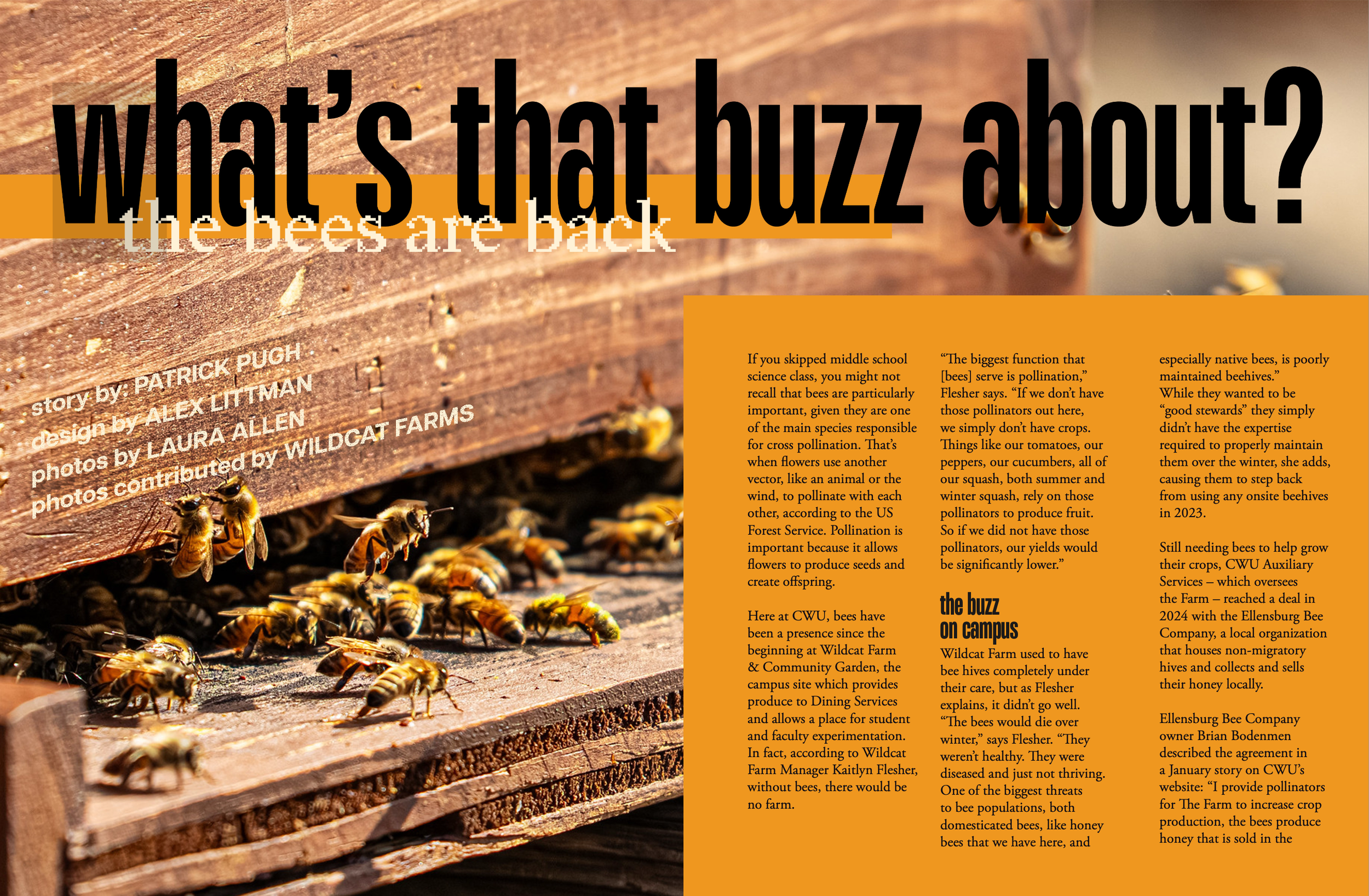
What's That Buzz About? The Bees Are Back
story by Patrick Pugh, photo by Laura Allen, design by Alex Littman
If you skipped middle school science class, you might not recall that bees are particularly important, given they are one of the main species responsible for cross pollination. That’s when flowers use another vector, like an animal or the wind, to pollinate with each other, according to the US Forest Service. Pollination is important because it allows flowers to produce seeds and create offspring.
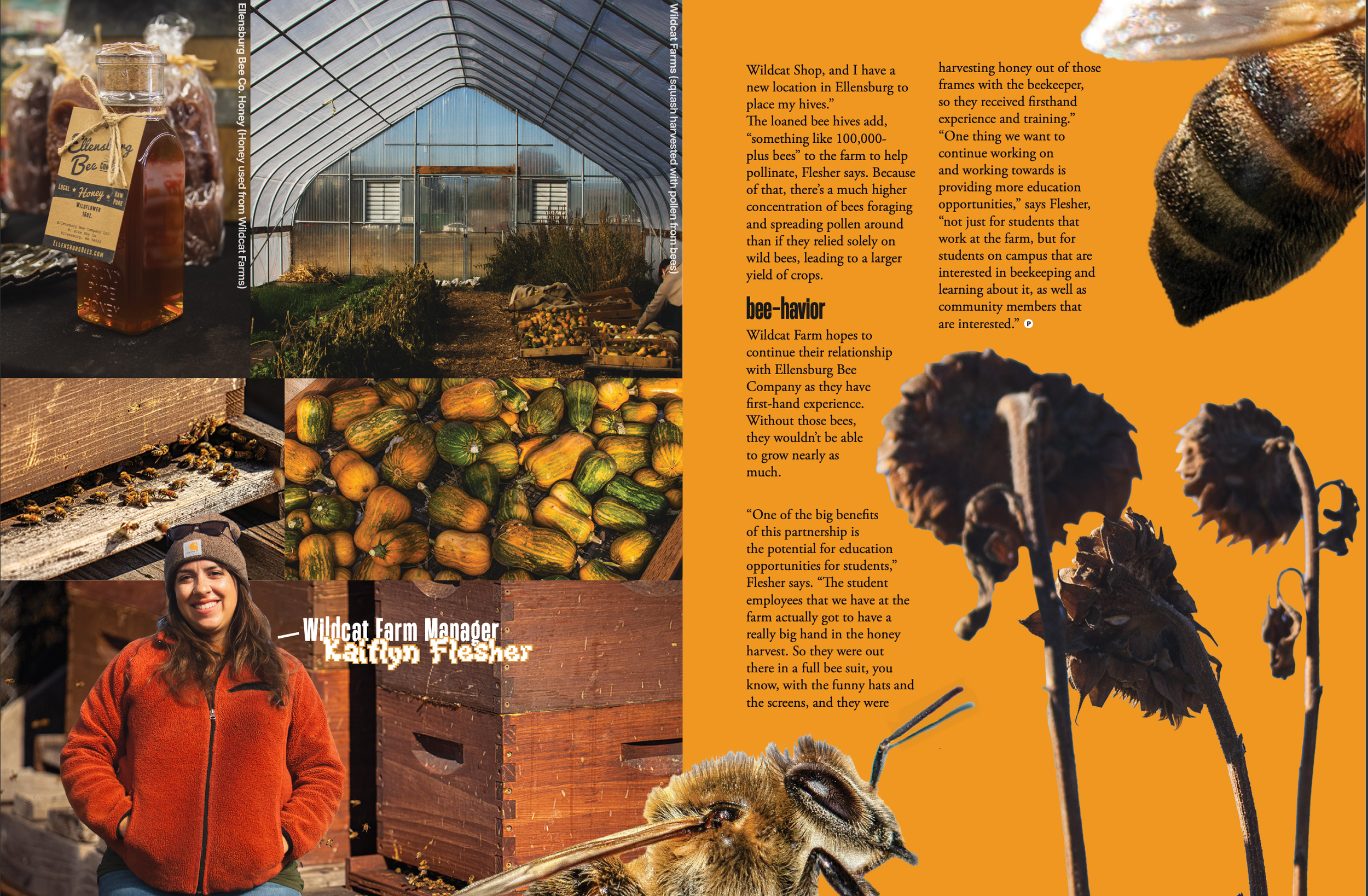
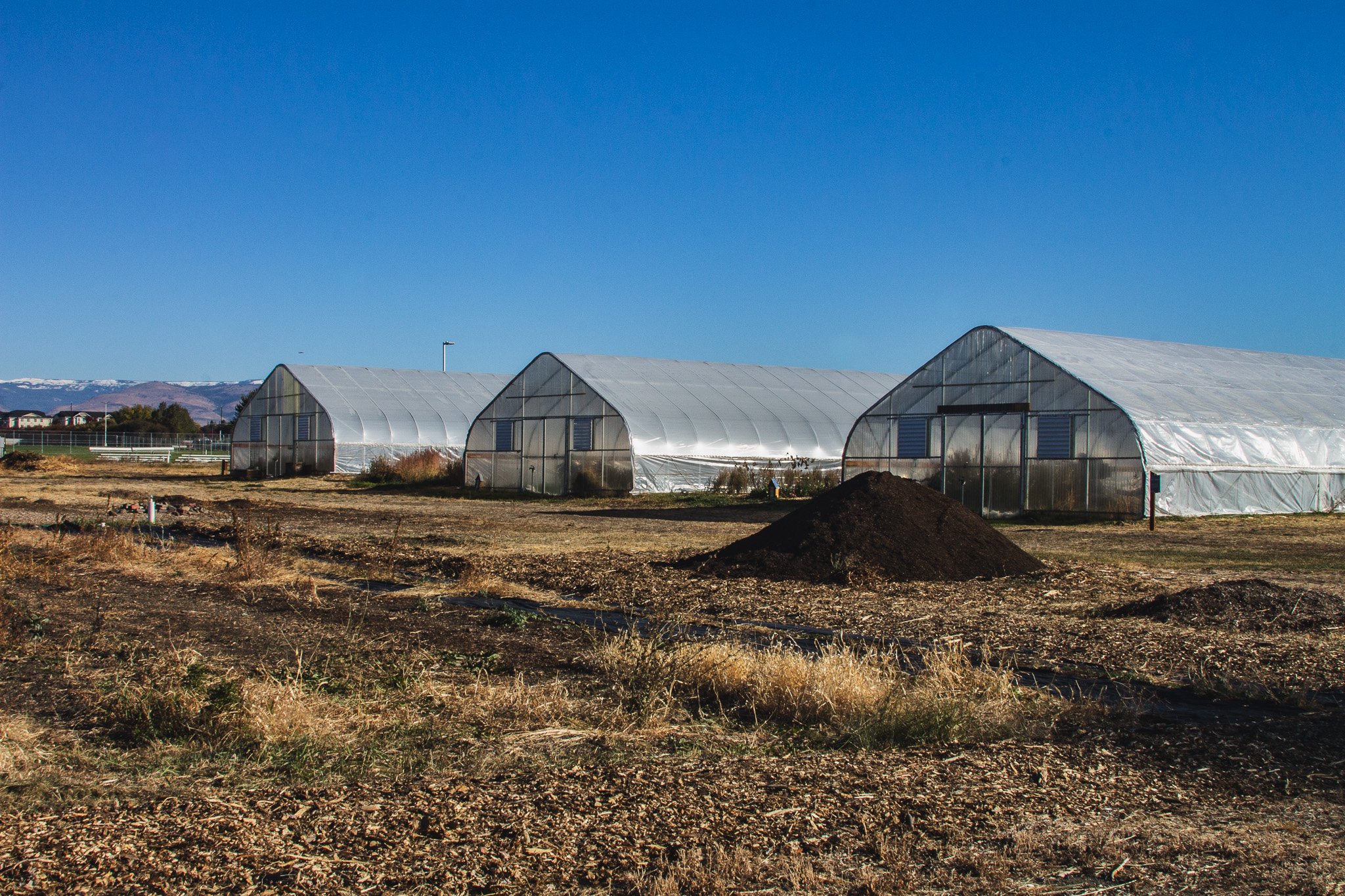
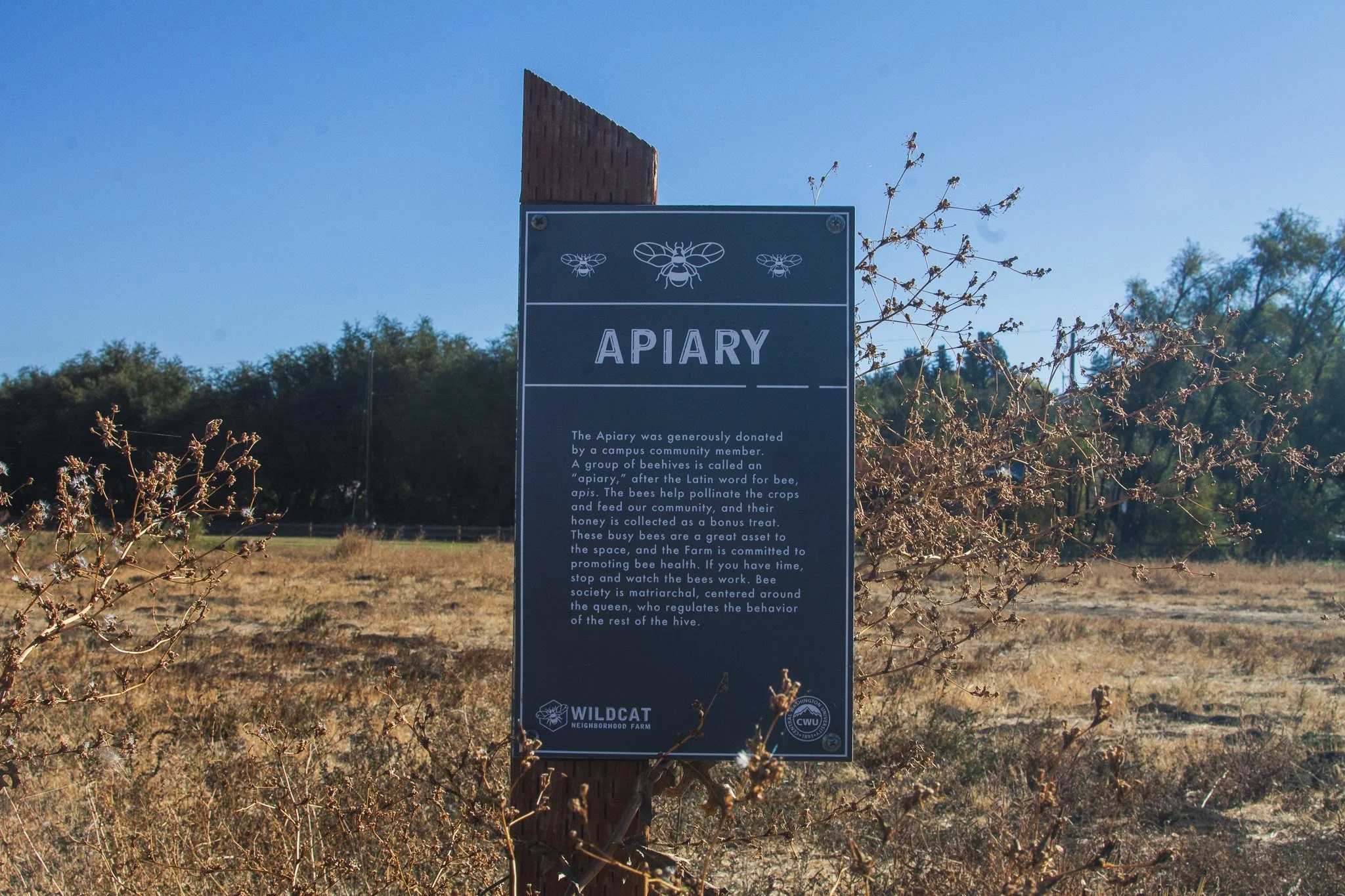
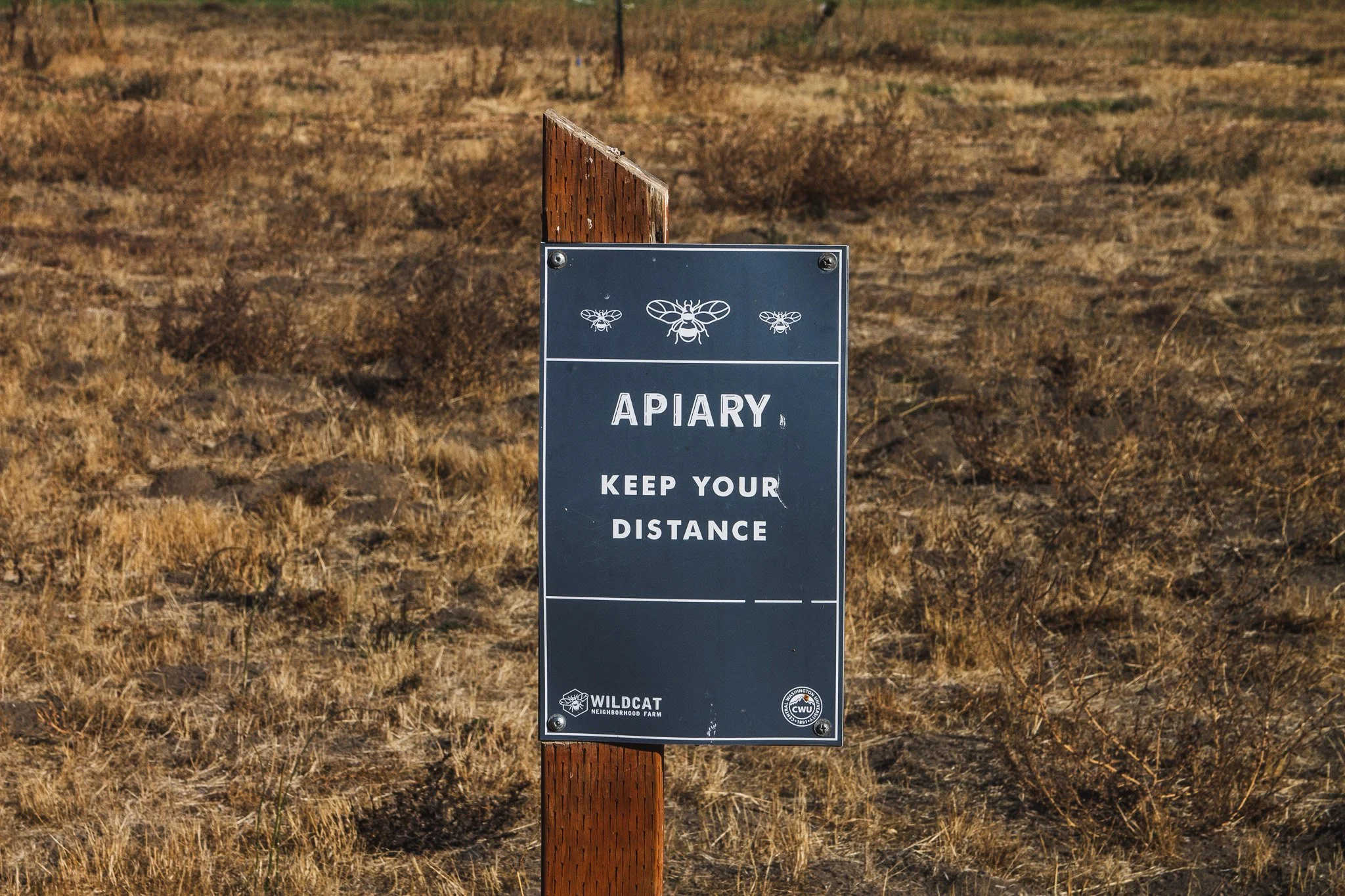
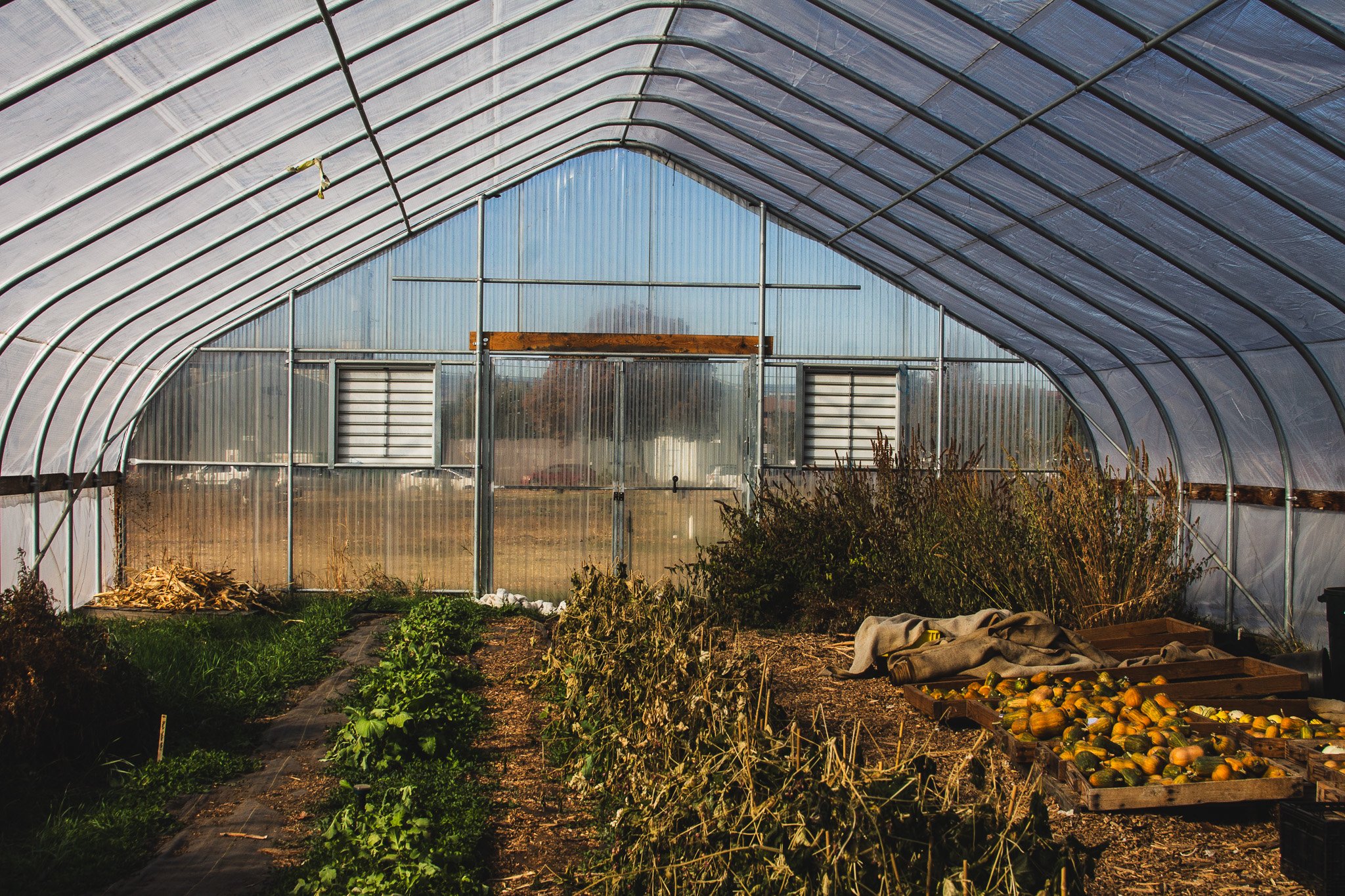
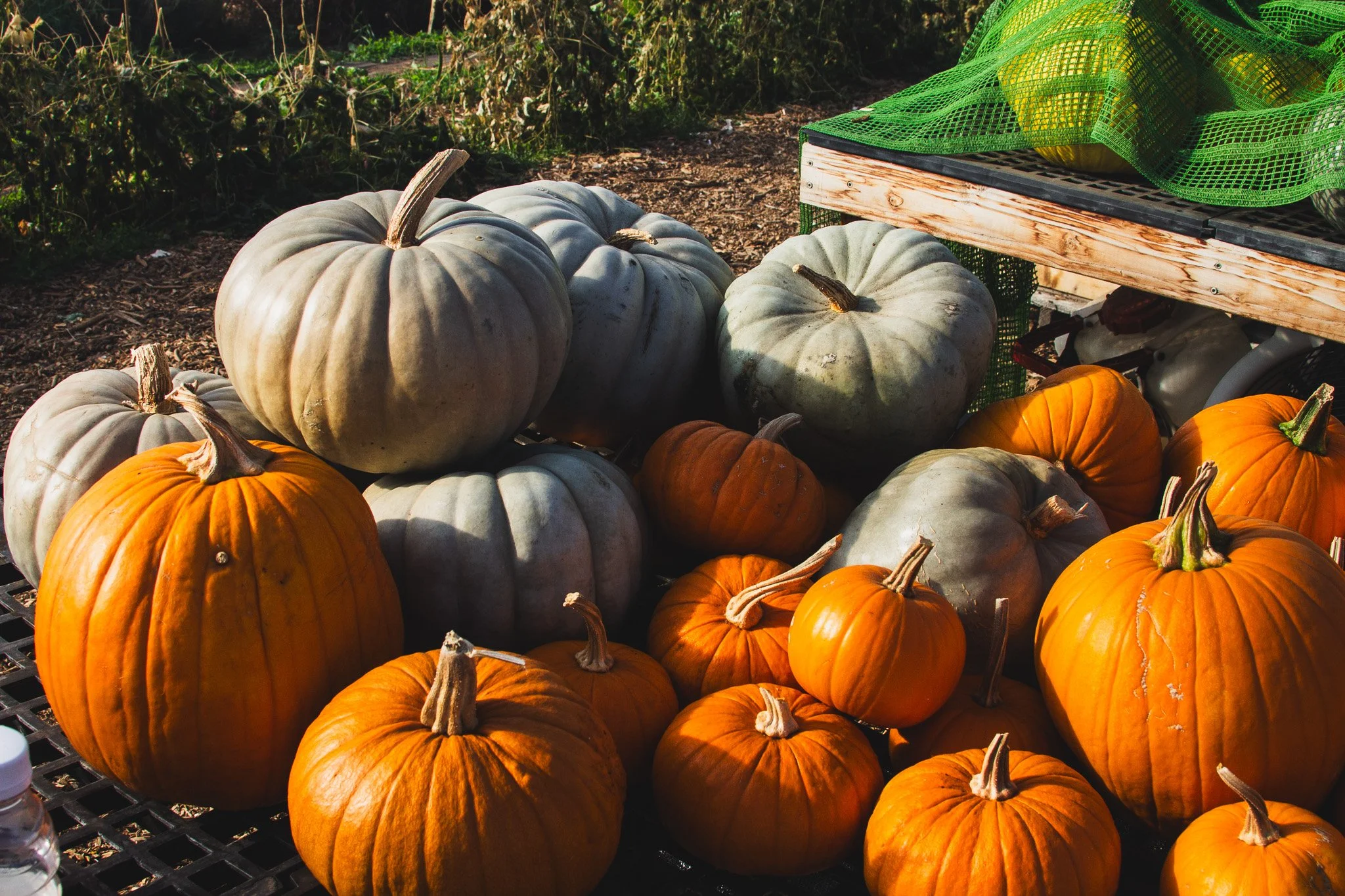
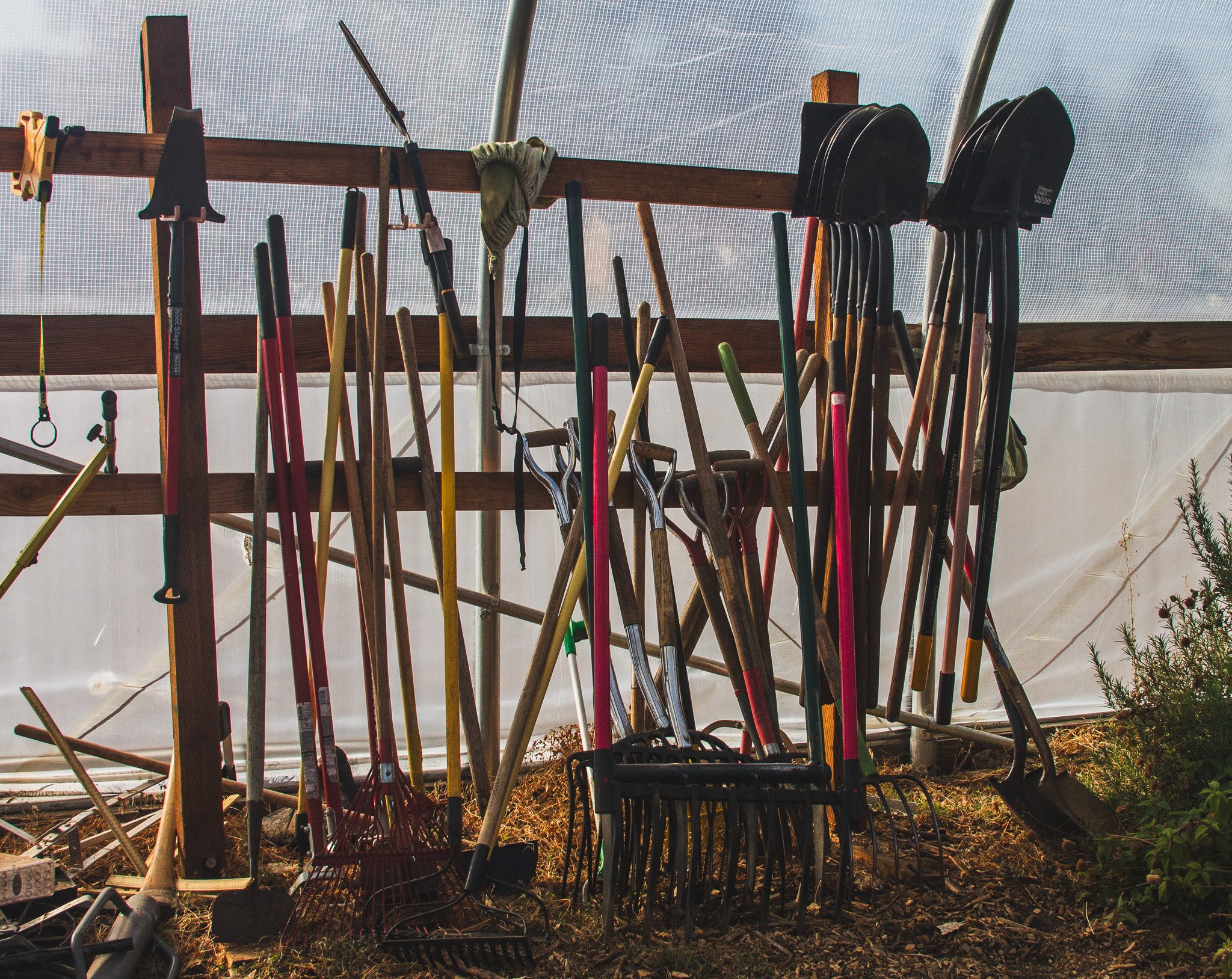
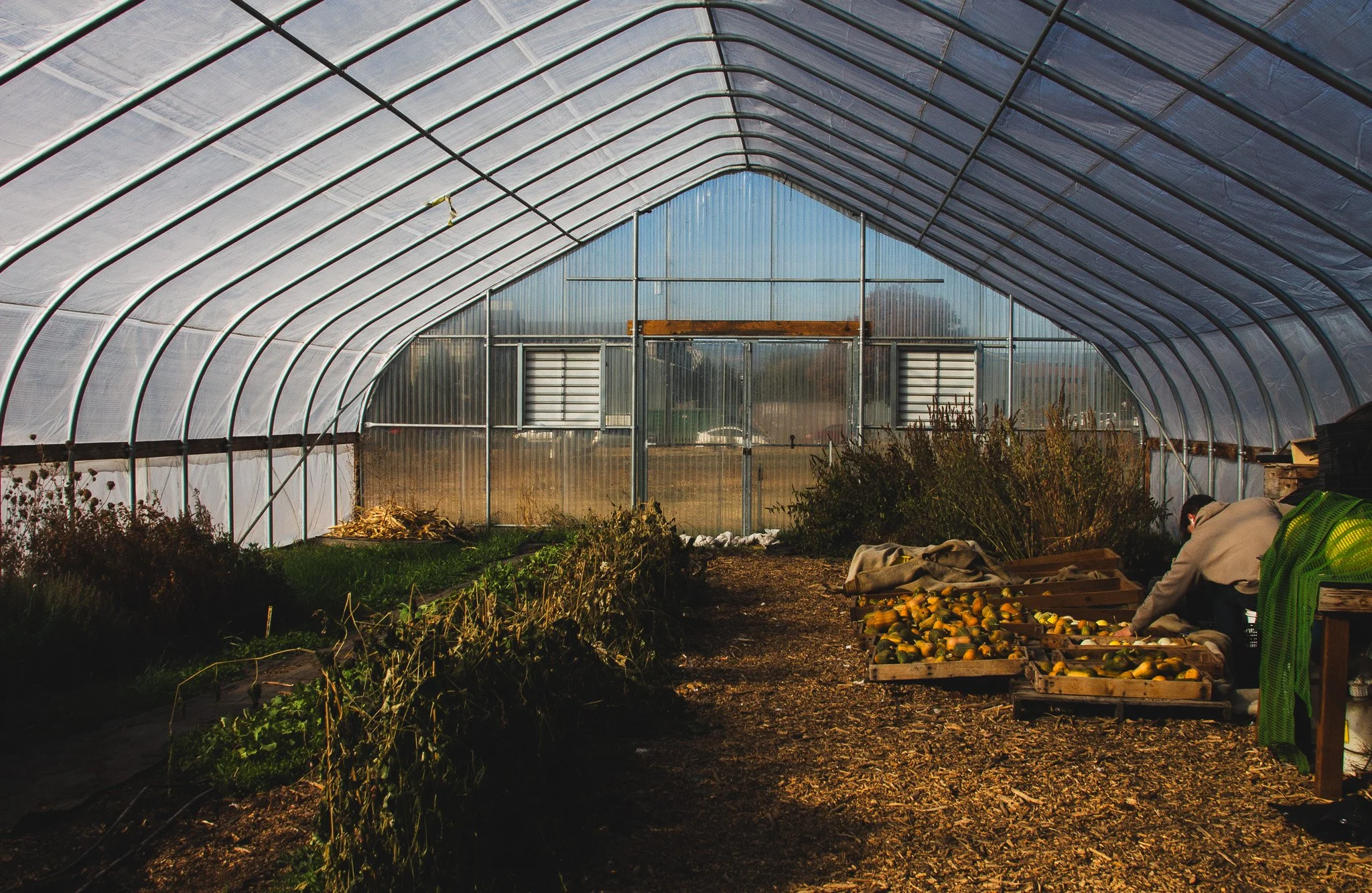
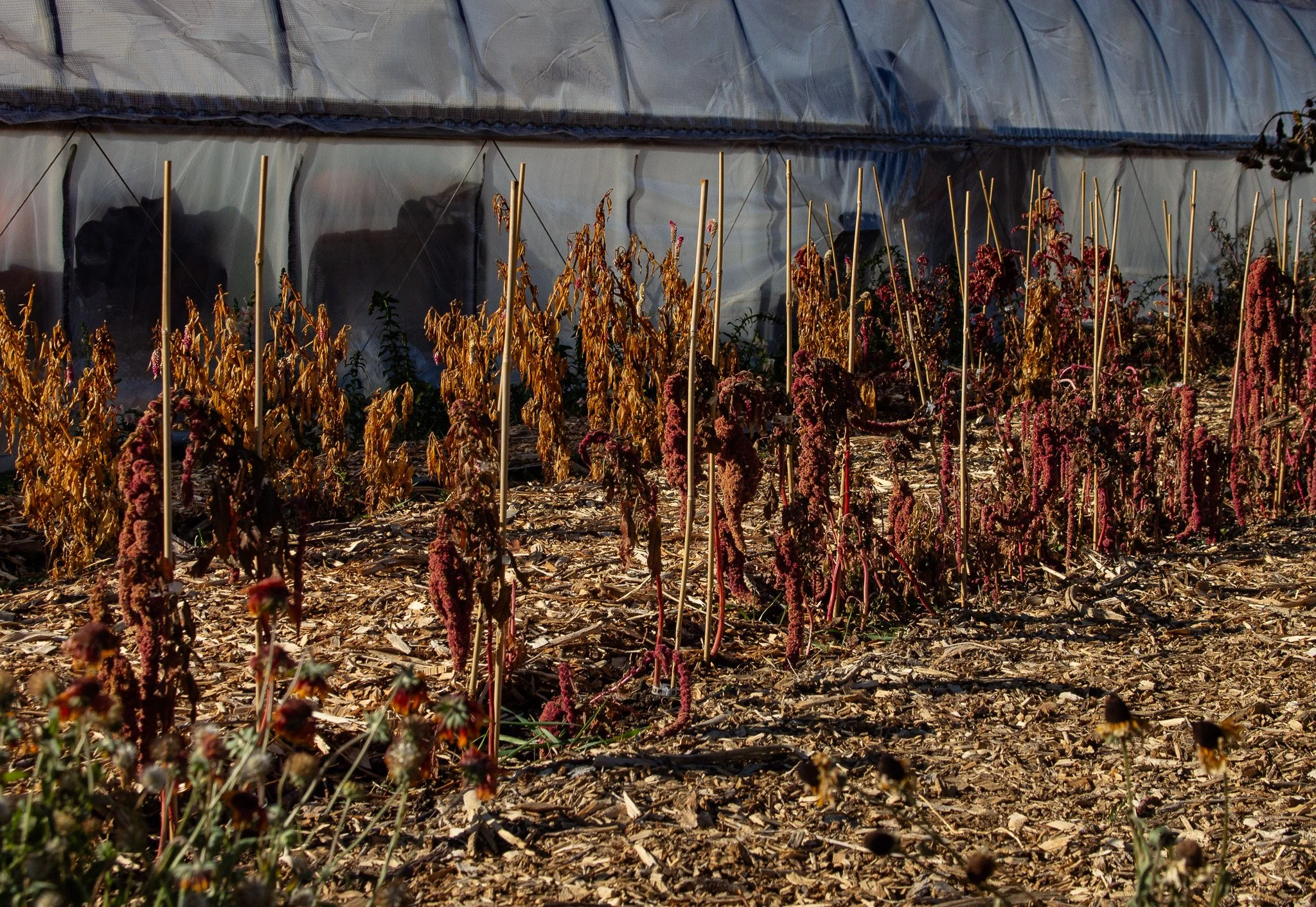
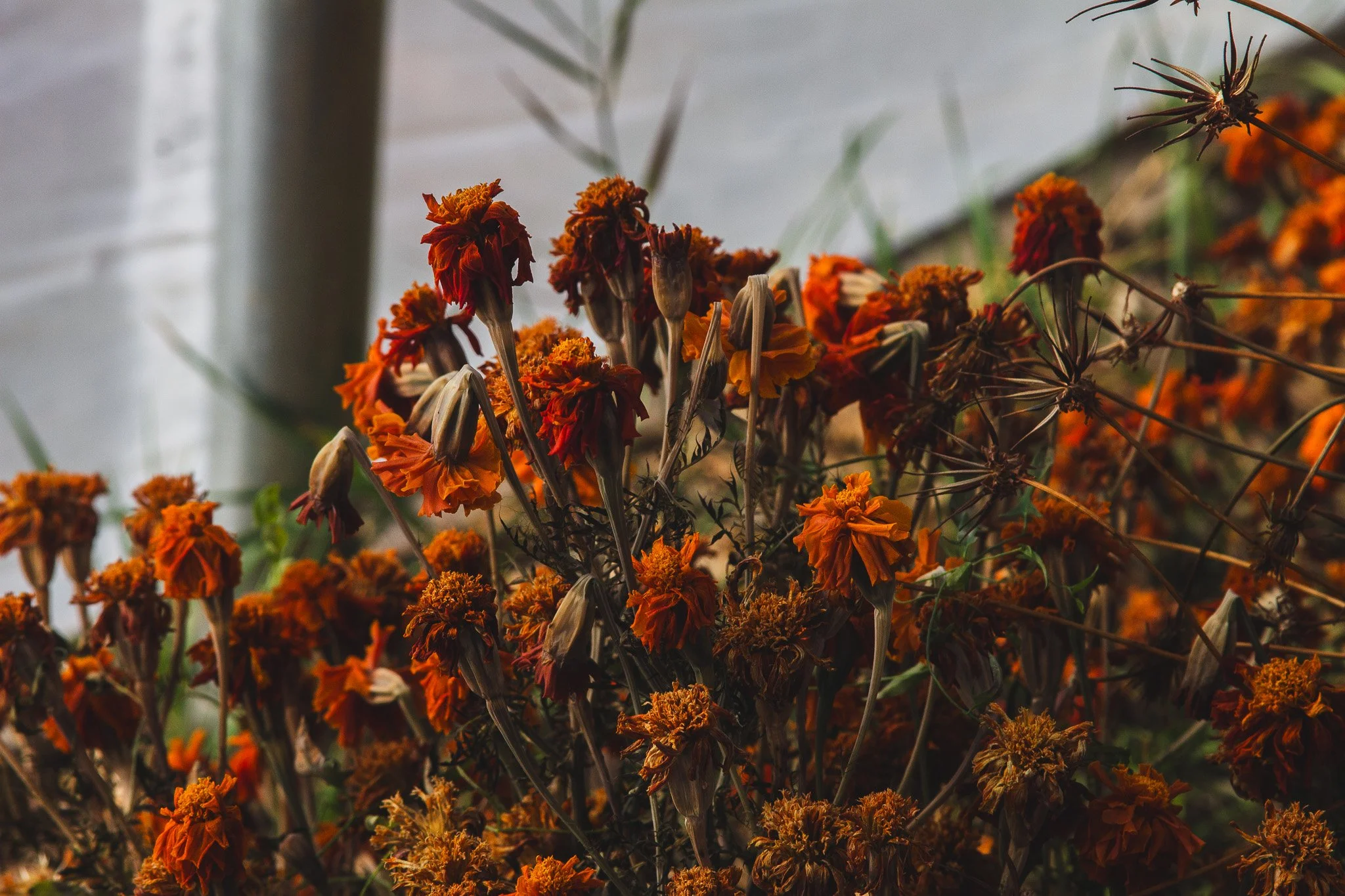
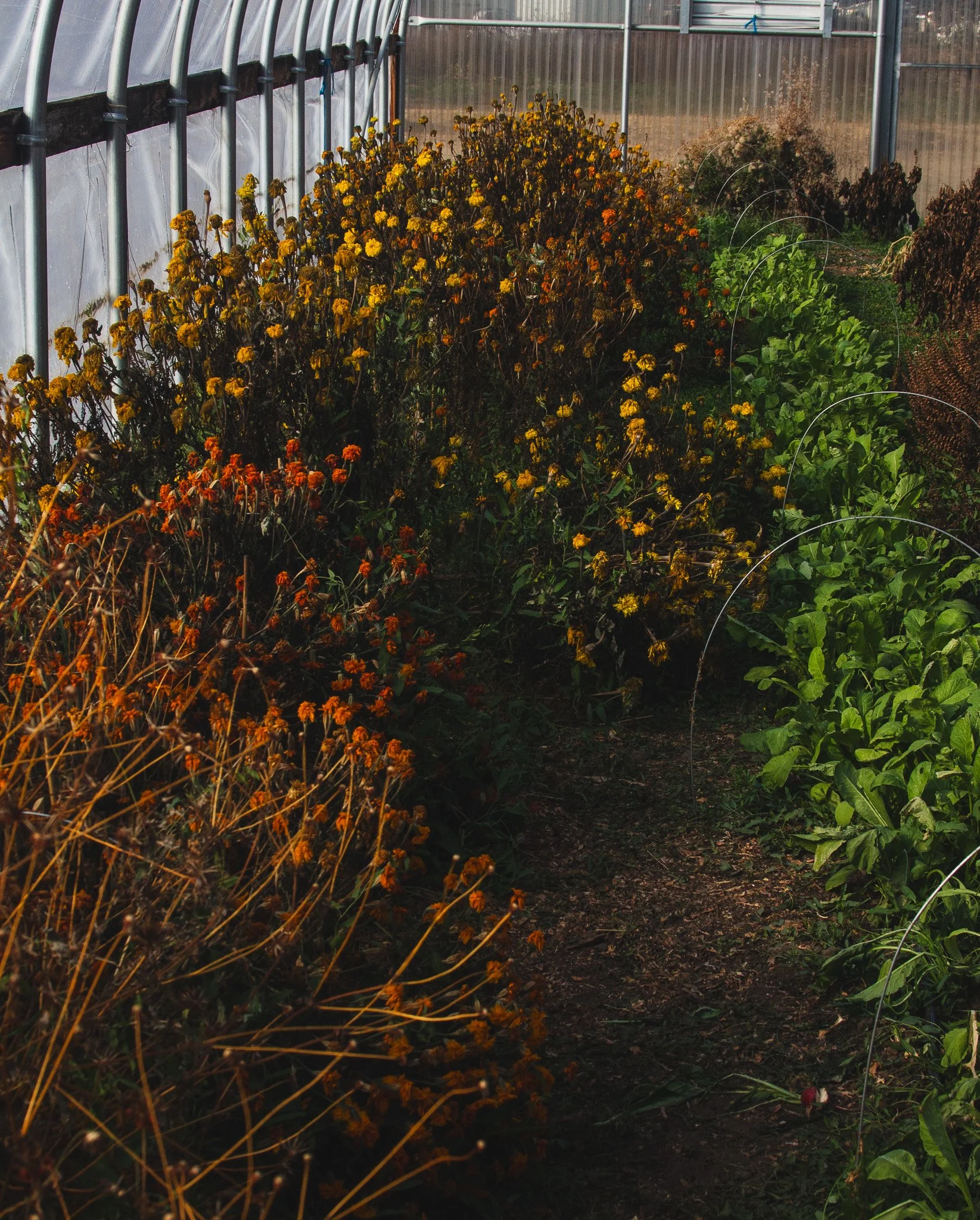
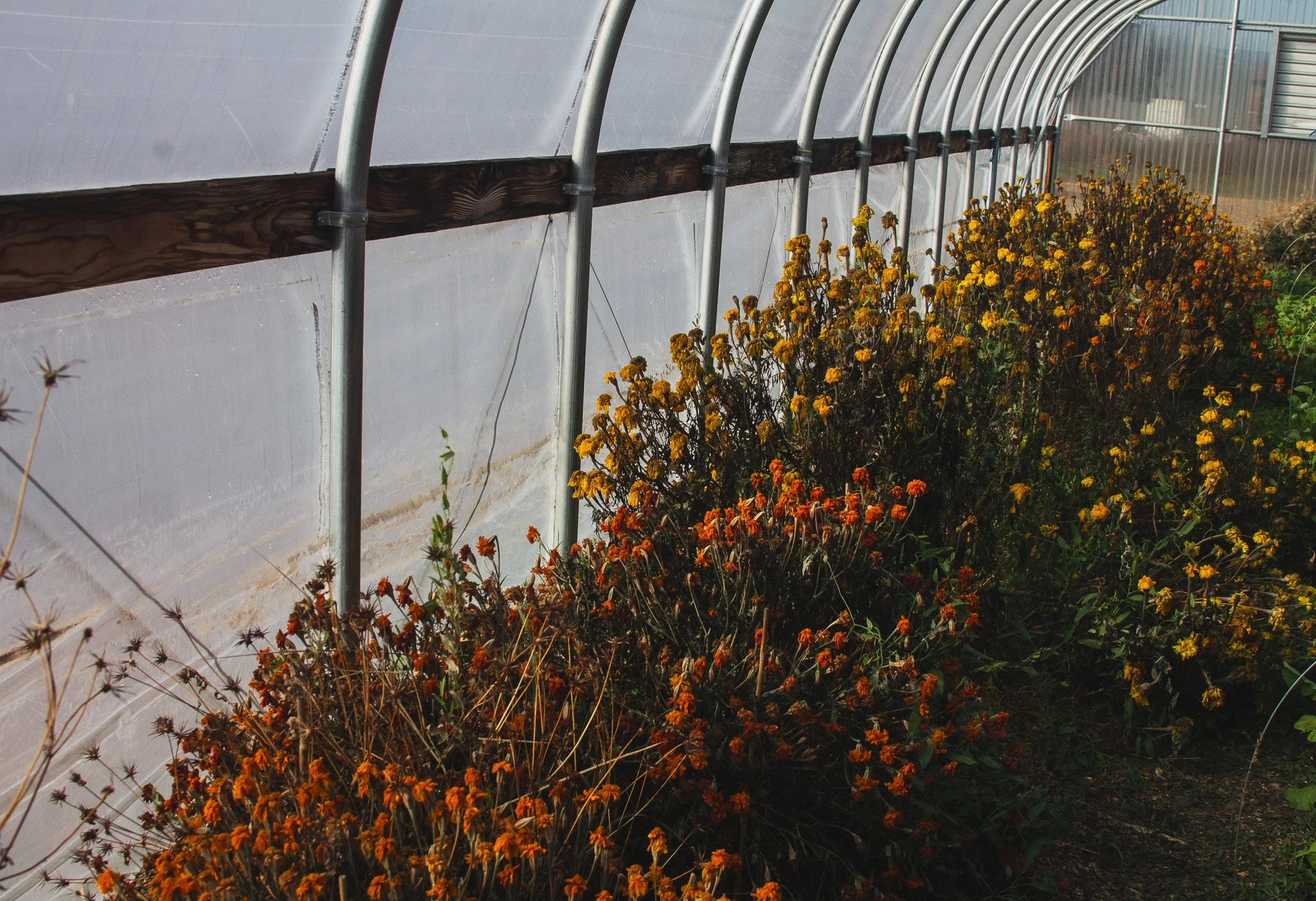
Here at CWU, bees have been a presence since the beginning at Wildcat Farm & Community Garden, the campus site which provides produce to Dining Services and allows a place for student and faculty experimentation. In fact, according to Wildcat Farm Manager Kaitlyn Flesher, without bees, there would be no farm.
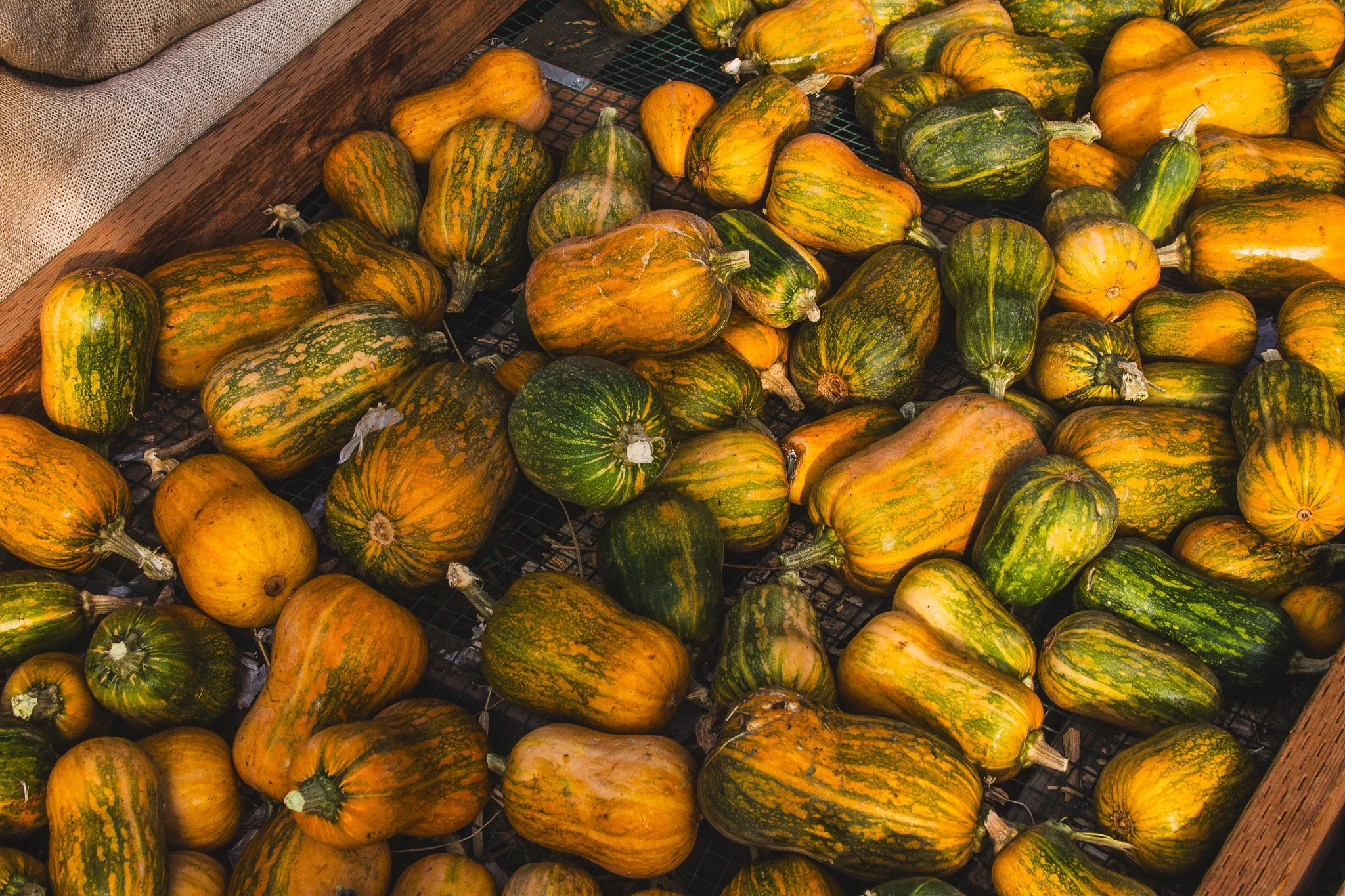
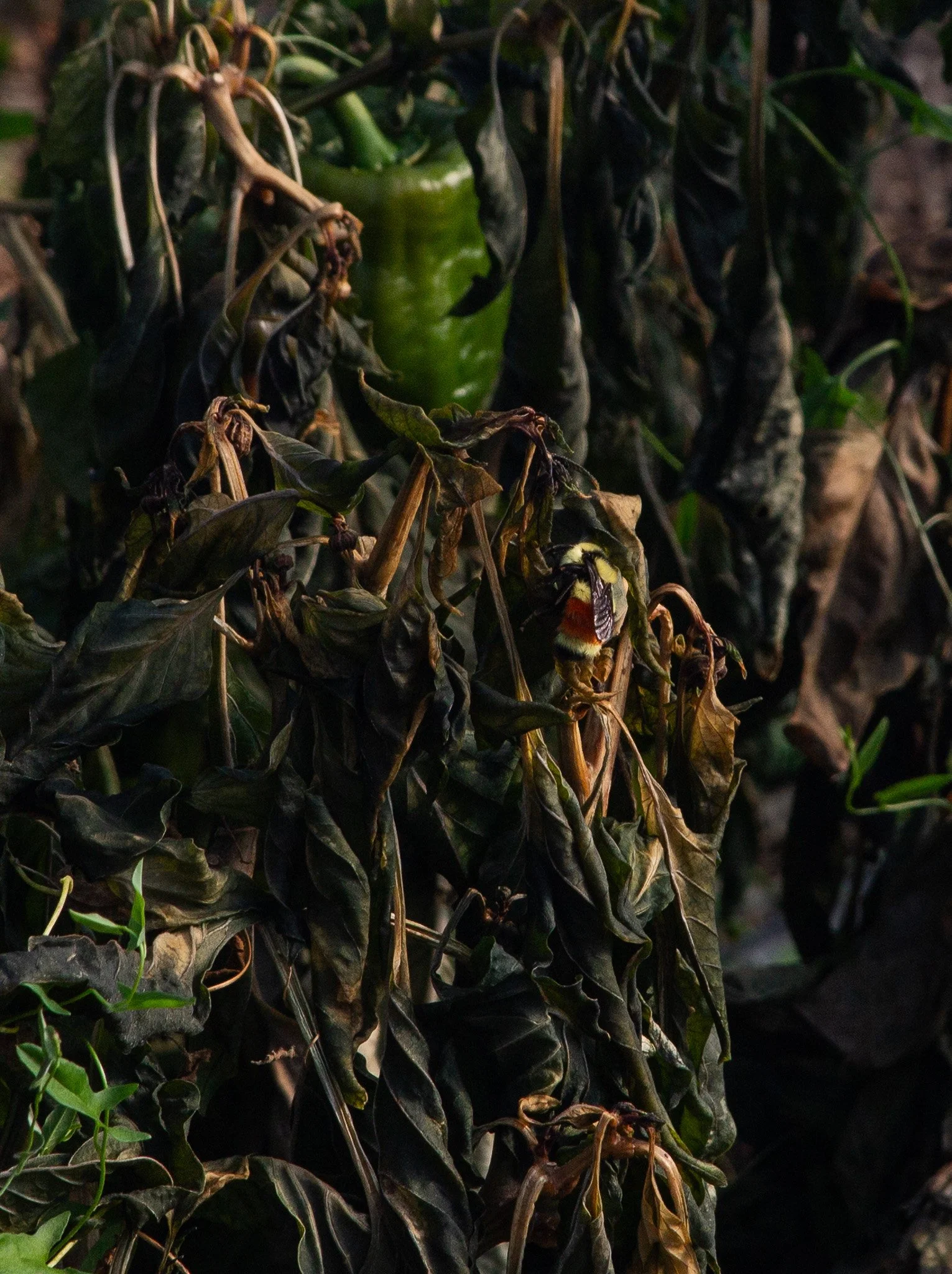
“The biggest function that [bees] serve is pollination,” Flesher says. “If we don't have those pollinators out here, we simply don't have crops. Things like our tomatoes, our peppers, our cucumbers, all of our squash, both summer and winter squash, rely on those pollinators to produce fruit. So if we did not have those pollinators, our yields would be significantly lower.”

The Buzz on Campus
Wildcat Farm used to have bee hives completely under their care, but as Flesher explains, it didn’t go well. “The bees would die over winter,” says Flesher. “They weren't healthy. They were diseased and just not thriving. One of the biggest threats to bee populations, both domesticated bees, like honey bees that we have here, and especially native bees, is poorly maintained beehives.”
While they wanted to be “good stewards” they simply didn’t have the expertise required to properly maintain them over the winter, she adds, causing them to step back from using any onsite beehives in 2023.
Still needing bees to help grow their crops, CWU Auxiliary Services – which oversees the Farm – reached a deal in 2024 with the Ellensburg Bee Company, a local organization that houses non-migratory hives and collects and sells their honey locally.
Ellensburg Bee Company owner Brian Bodenmen described the agreement in a January story on CWU’s website: “I provide pollinators for The Farm to increase crop production, the bees produce honey that is sold in the Wildcat Shop, and I have a new location in Ellensburg to place my hives.”
The loaned bee hives add, “something like 100,000-plus bees” to the farm to help pollinate, Flesher says. Because of that, there’s a much higher concentration of bees foraging and spreading pollen around than if they relied solely on wild bees, leading to a larger yield of crops.
Bee-havior
Wildcat Farm hopes to continue their relationship with Ellensburg Bee Company as they have first-hand experience. Without those bees, they wouldn’t be able to grow nearly as much.
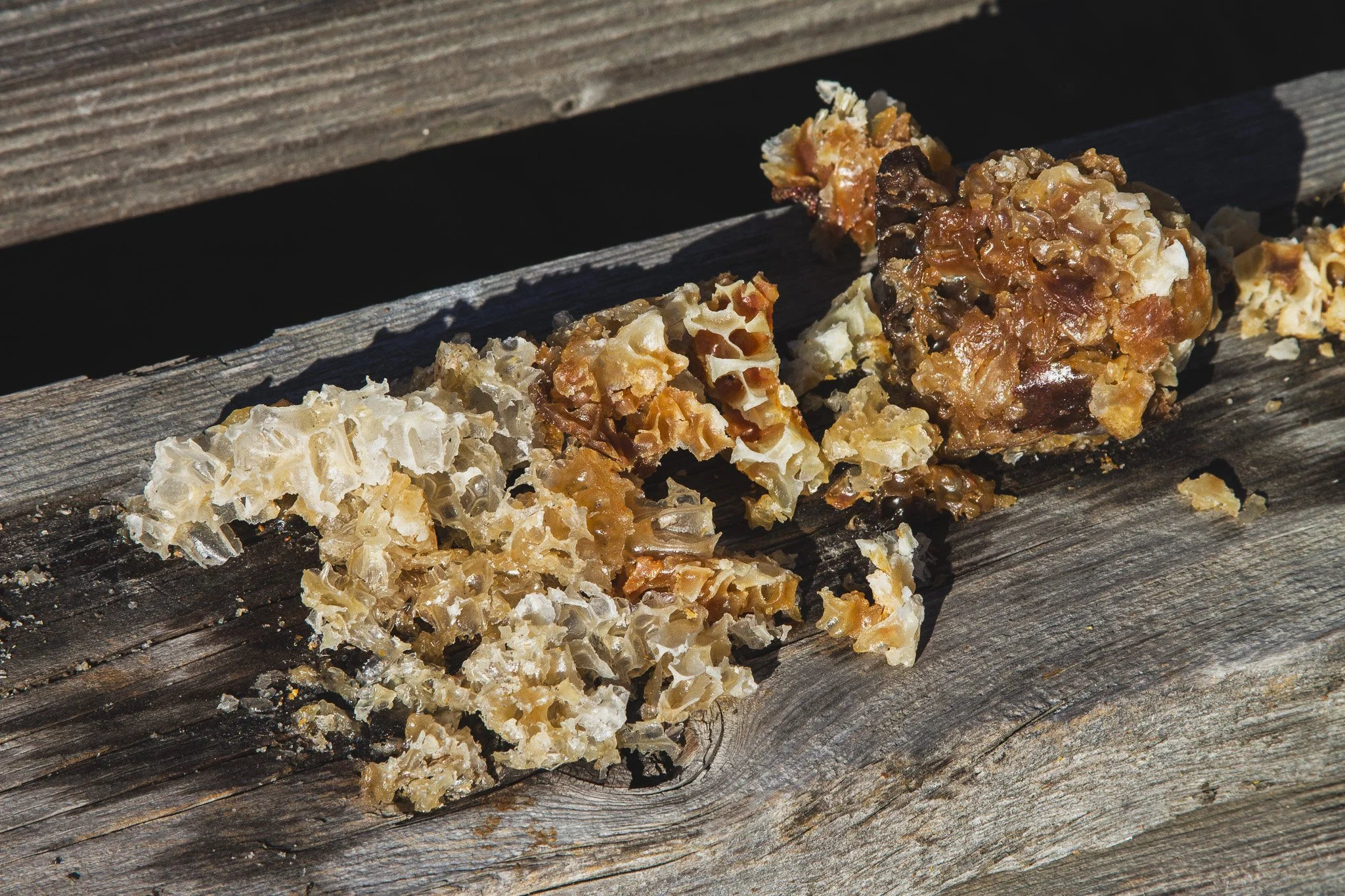
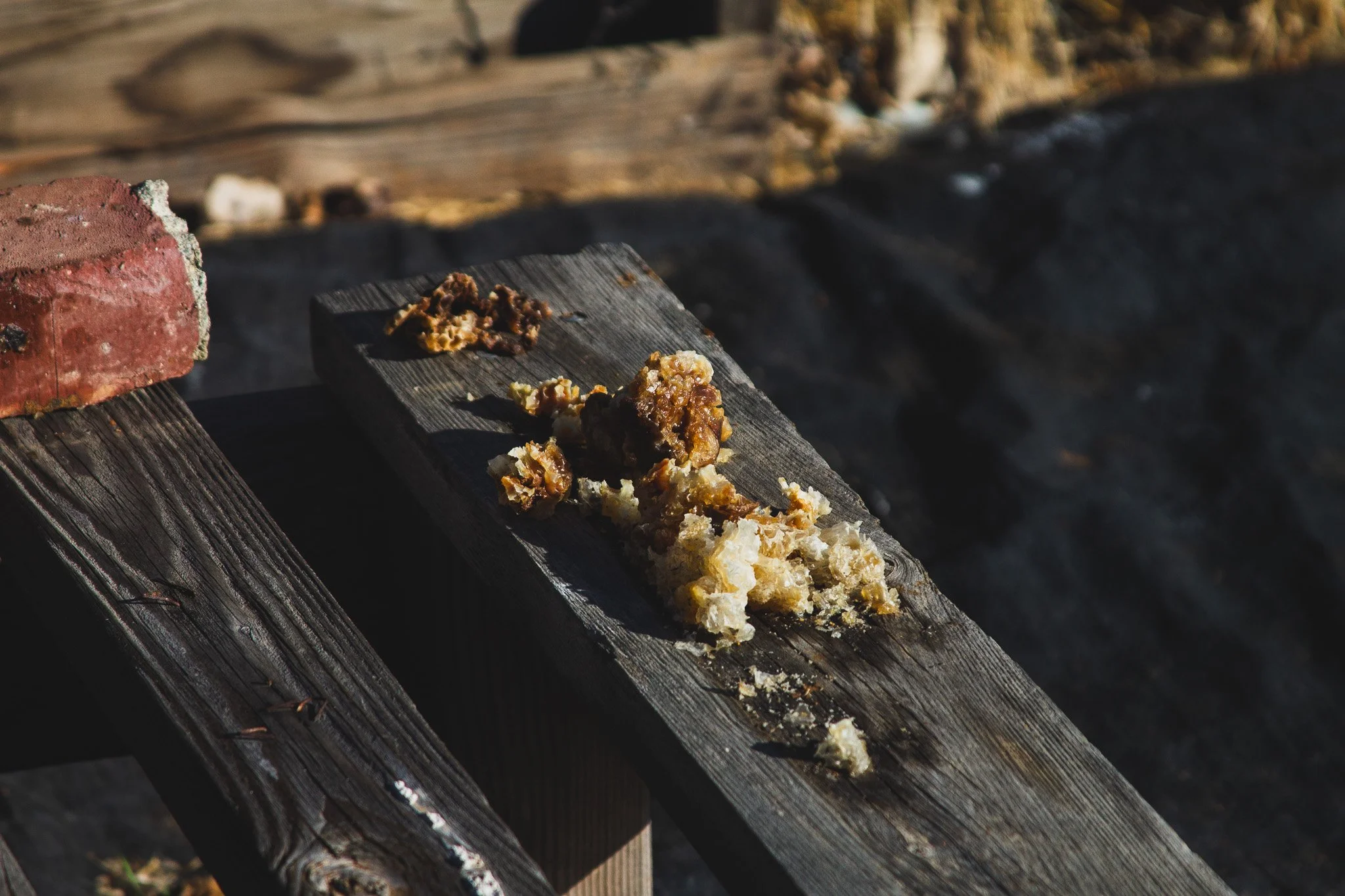
“One of the big benefits of this partnership is the potential for education opportunities for students,” Flesher says. “The student employees that we have at the farm actually got to have a really big hand in the honey harvest. So they were out there in a full bee suit, you know, with the funny hats and the screens, and they were harvesting honey out of those frames with the beekeeper, so they received firsthand experience and training.”
“One thing we want to continue working on and working towards is providing more education opportunities,” says Flesher, “not just for students that work at the farm, but for students on campus that are interested in beekeeping and learning about it, as well as community members that are interested.”