
Cool Cat: Dr. Zoë Higheagle Strong
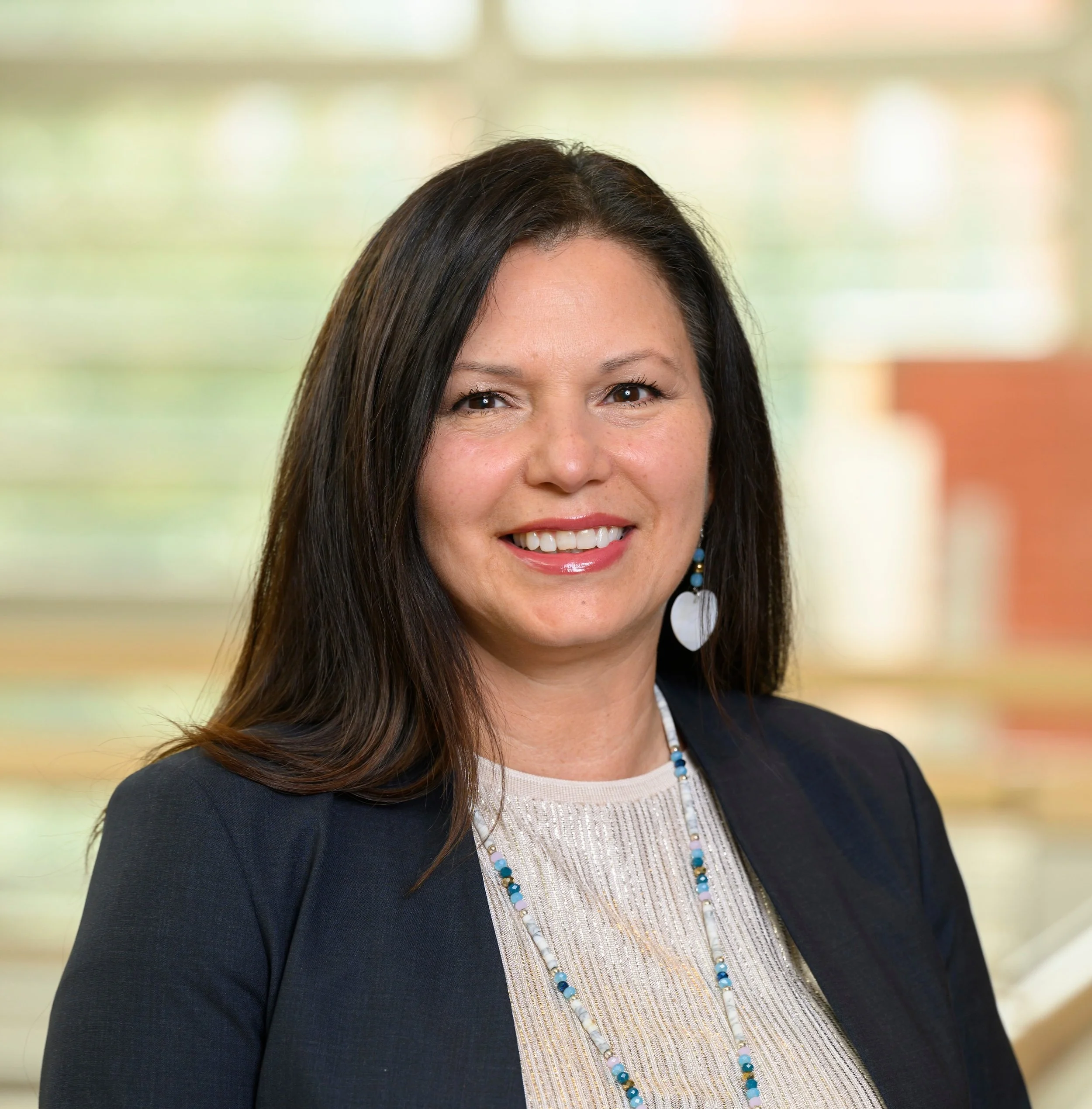
Dr. Higheagle Strong, is the first full-time Associate Vice President of Tribal Relations at Central Washington University, where she works to build meaningful partnerships between CWU and tribal leaders and communities across the region. She is a member of the Nez Perce tribe and a descendant of the Confederated Bands of the Yakama Nation and the Confederated Tribes of the Umatilla Indian Reservation, she has spent the majority of her career improving education pathways, college access, and overall well-being for Native American students throughout the Pacific Northwest. This cool cat has a lot more to her story, and PULSE is here to uncover it — let's get into it.
Q: Outside of work, what do you do to unwind?
I love golfing, I golf as much as possible. It allows me to be in nature and focus on a game, while also connecting with my family. I golf with my husband, my kids and I get to meet people in the community. It allows me to totally check out of work and because I have to focus.
Q: What does being the first full-time tribal relations leader at CWU mean to you? Why is it important that you do this work?
We have a federal and state level educational trust responsibility to Native American students due to our history, tribal treaties, executive orders and acts of Congress. Educational institutions' foundations tie back to native lands and to lands from our tribal nations being given to the state to form, through the enabling act of 1889, which started state institutions.
Additionally, there is a unique obligation to serve our native students to also consult with tribes throughout our region on coursework and curriculum. How are we teaching about tribal history? Is it accurate? There’s various legislation that without proper training, understanding, and strong relationships with tribes we will fail to really help fulfill that educational trust responsibility. At the center of our educational responsibility to Native students is how we are thinking about tribal sovereignty as a higher education institution and that's critical. This role is critical to that.
It's really hard for those whose that's not their full time job to be able to travel to tribal nations, to be able to engage with tribes and to build long-lasting relationships. If that's not your background and that's not your area of expertise, then you can make a lot of mistakes in that area. I’m grateful that Central realizes that it really requires a full time dedicated position to do and accomplish this work.
Q: What does a typical day at work look like for you?
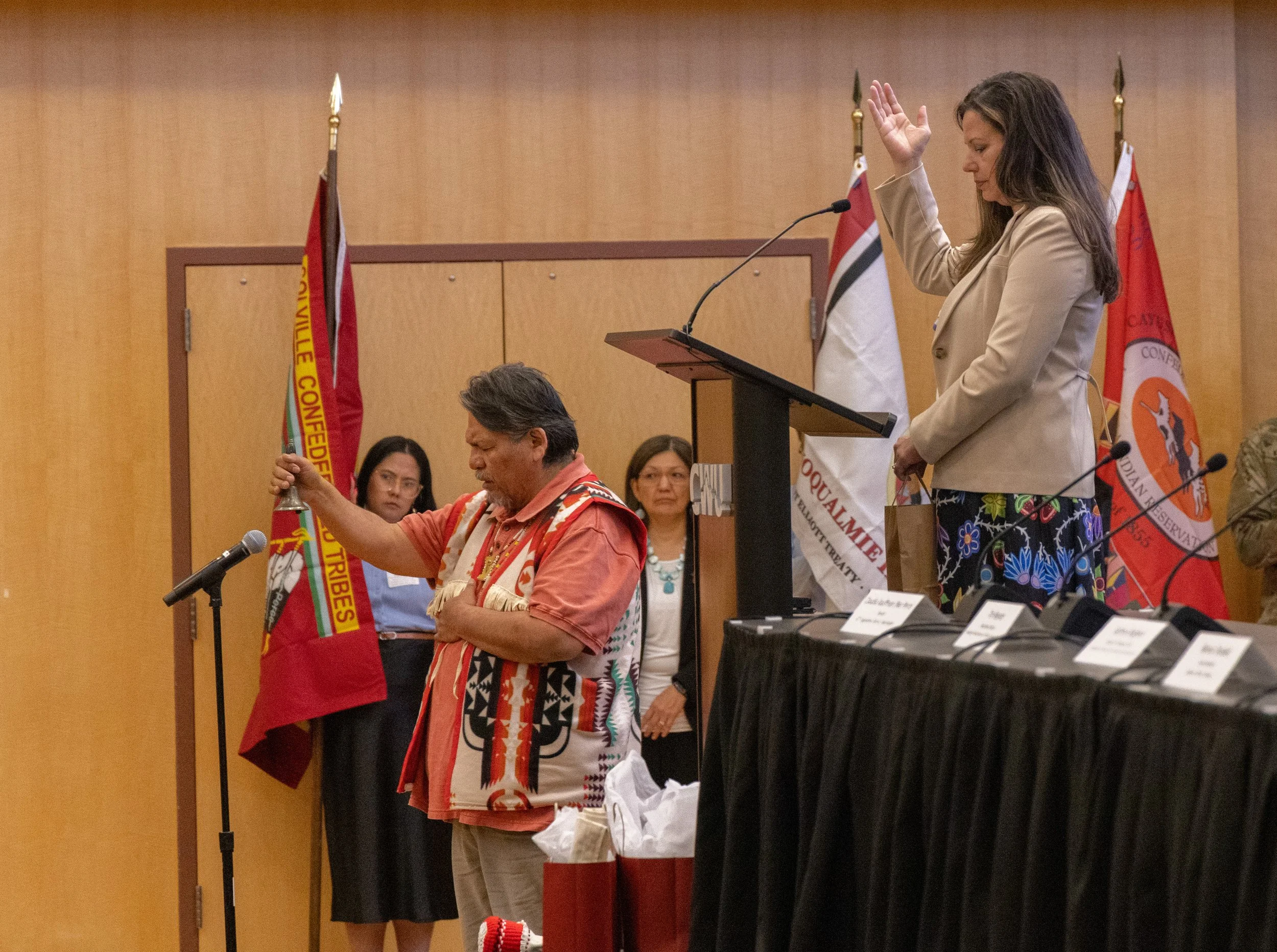
There is no typical day with tribal relations. I spend a lot of time at tribal convenings, meetings, or visiting tribal nations. For instance, this upcoming week, I'm attending the Affiliated tribes of Northwest Indians convening that represents 56 Pacific Northwest tribes that send their government leaders and education managers. At the convening we will discuss critical issues from health, education and natural resources. I’m the chair of the higher education standing committee. I will spend next Saturday through Thursday about 12-14 hours a day diving into this work with our tribes.
Other weeks like today, I'm going to the Missing and Murdered Indigenous event and greeting a CWU native alumni as he did a presentation on tribal government. Then all the other fun administrative planning, thinking about student services policies, meeting with staff across the institution to think about how we can improve policy on the application process, enrollment and recruitment here at CWU. I just enjoy meeting people. The common day is I'm always meeting with somebody new, talking about how we can best implement tribal sovereignty and our educational trust responsibilities with students.
Q: Growing up, did you always see yourself going to college?
I did not. I really struggled in high school and didn't apply for a college by the time I graduated. I ended up trying to go but I didn't have the resources or the finances. That's often a misconception that native students' tuition are paid for which they were not, because I had no resources to go to college. Later on, I figured out how to apply for FAFSA. But I didn't really envision going to school. I just started working with Native youth throughout the Pacific Northwest, supporting them, socially, academically, physically and mentally. Through time with students, I got inspired to go back to college and I had a native faculty who really challenged me. He worked in education and said, we need more people to advocate at the highest levels. So he encouraged me to go get my doctorate, which I didn't even have my undergrad completed yet. At that point, I did, and I went all the way through from my undergraduate to my doctorate.
Q:What is the piece of advice someone gave you early on in life that has stayed with you?
I think that we always have to work from our values and be aligned with our values. It's just not worth compromising in our work, but that's hard work to do.
Q: Is there someone in the Native community that is an inspiration to you?
Yes, one of my mentors, Patricia Whitefoot. She's a Yakama elder and a national education leader. She's mentored me from early on. That's part of the reason I serve on the affiliated tribes of Northwest Indians education committees with her. I reach out to her to get advice often and she's a close friend, but a mentor and someone I look to. She's one of those value-based leaders and someone that handles things in tough challenges and she's direct, but she always does it with kindness, wisdom and respect.
Q: Was there a moment in your career where you almost gave up? If so, what kept you going?
In college, I think there were often times where I thought, where is this going? And is it worth it? Is it worth the amount of time that it took from my family and from just life in general. But I had to keep the end in mind and know that I was doing it for my tribe, for my family and for native students. I remembered who I was doing that work for and for my creator, that I believe put it in my heart to get my degree. I think I just always have had to go back to that, even in working as faculty, I had to get tenured and go through the ten-year process at Washington State University. The process is not really made for someone like me and my research. At times I wanted to give up because I had to do double to prove myself. But again, I had to go back to remembering who am I doing this for? I'm doing it for my creator, for my family, for my tribe and for Native students. That is what always gets me back on track. That's why I'm here and excited to contribute.
This Q&A was edited for clarity and length.