
Charcuterie Culture
Have you ever heard someone say that baking is science and cooking is art? I’ll take any chance I can get to defend the art of baking a delicious pie or tray of muffins, but I concede that following a recipe can be a relatively simple process. However, there is one form of food preparation that is distinct from both of these traditional forms, and invites artistic creativity like no other — the charcuterie board.
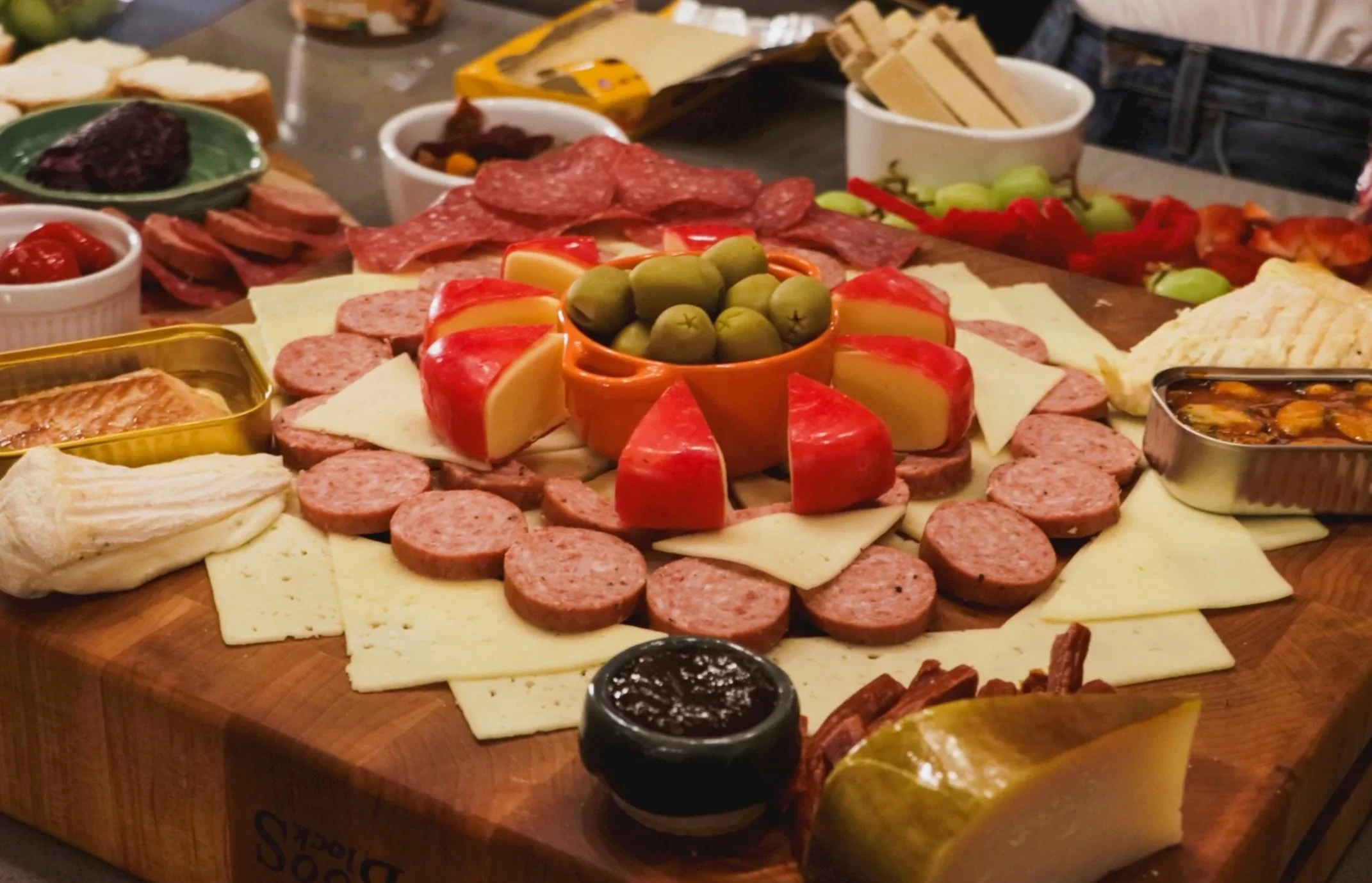
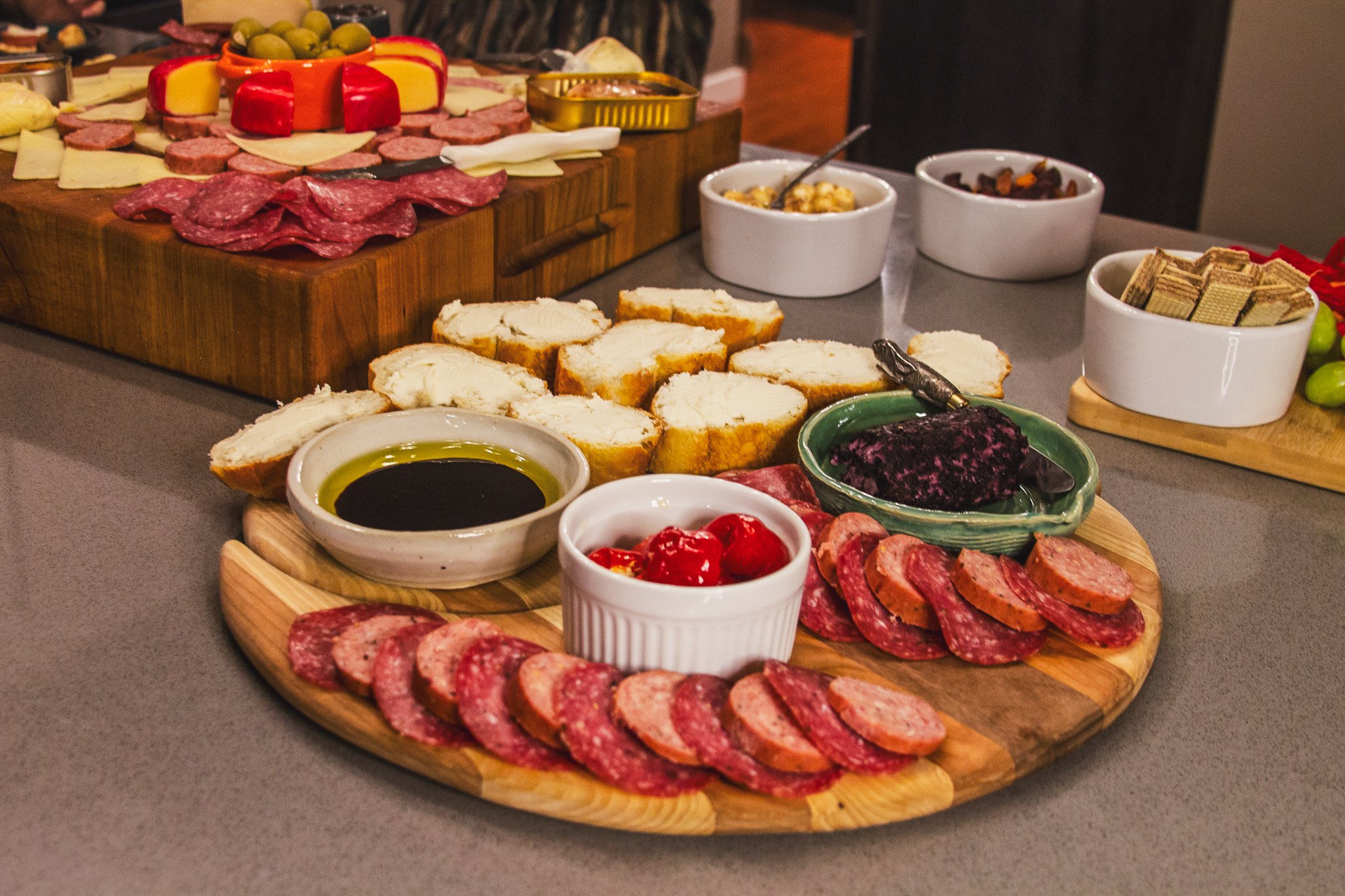
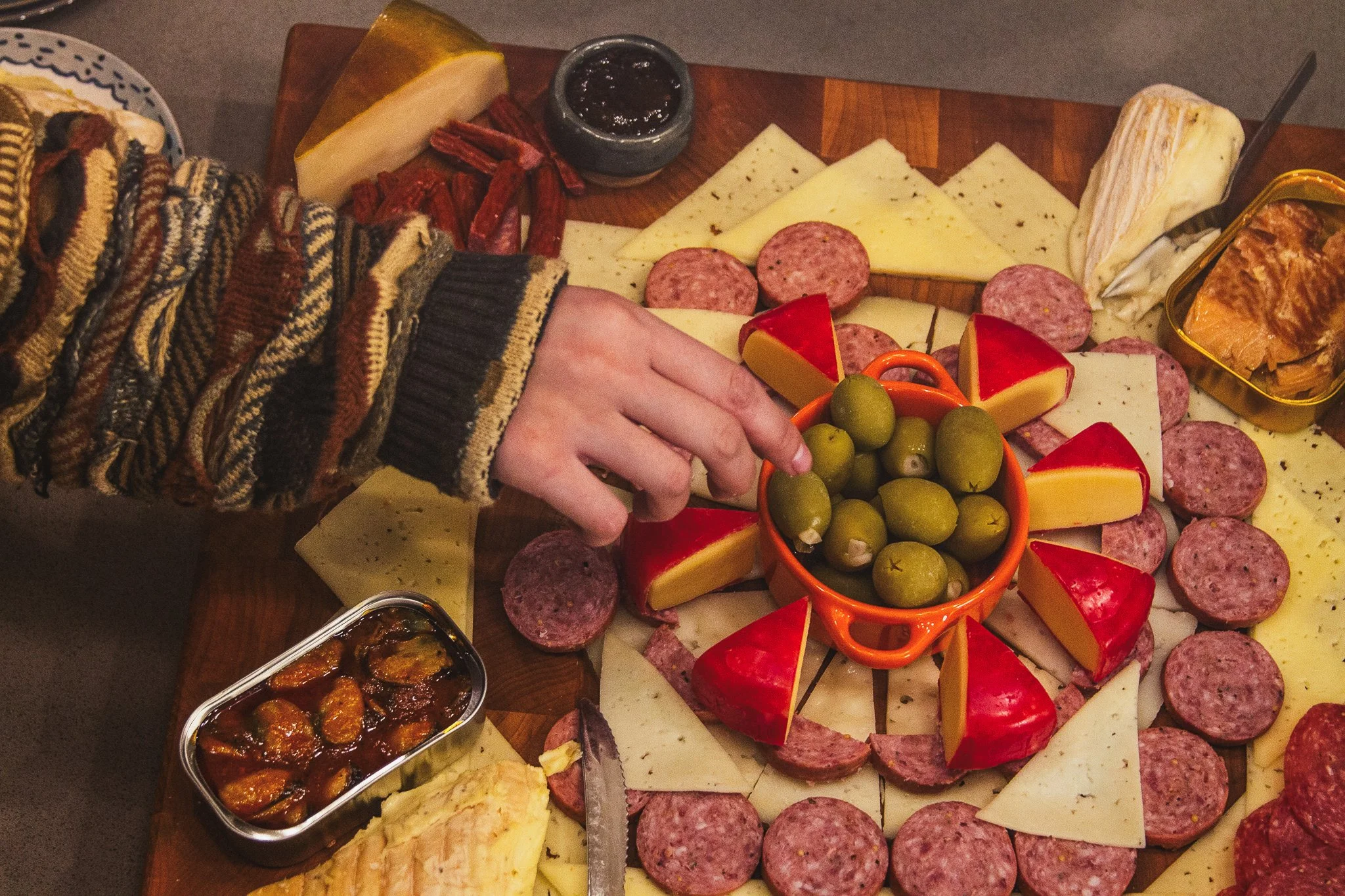
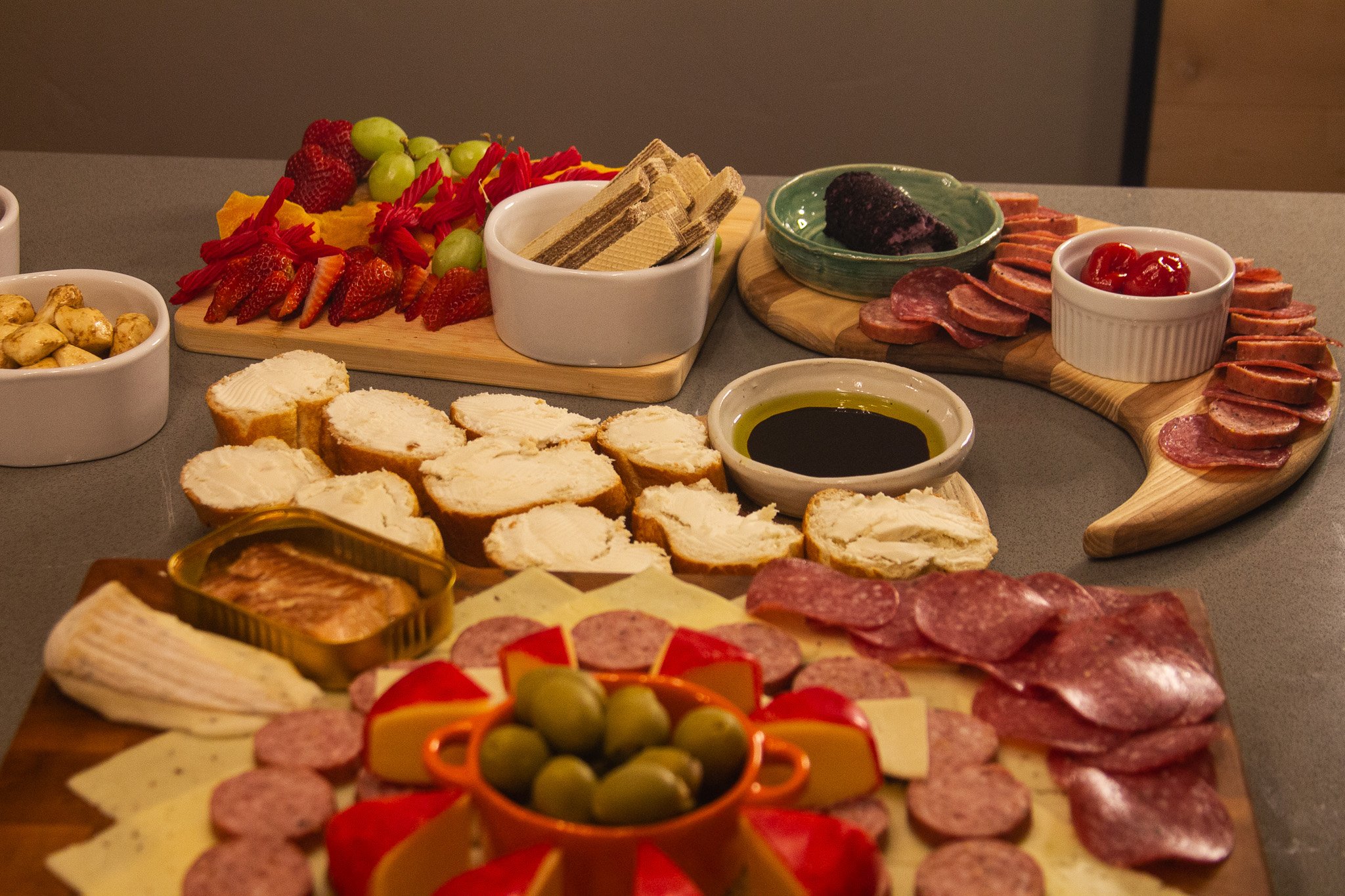
The art of a perfect charcuterie board is something that cannot be understated. Effort and preparation runs deeper than just preparing food, it applies to the experience as a whole. Proper ingredients must be picked carefully, while their arrangement and accessibility in a communal environment is designed to entice guests. Cold cuts, cheeses, crackers, nuts, sauces and jams — there is something for almost anybody.

Food and Accessibility
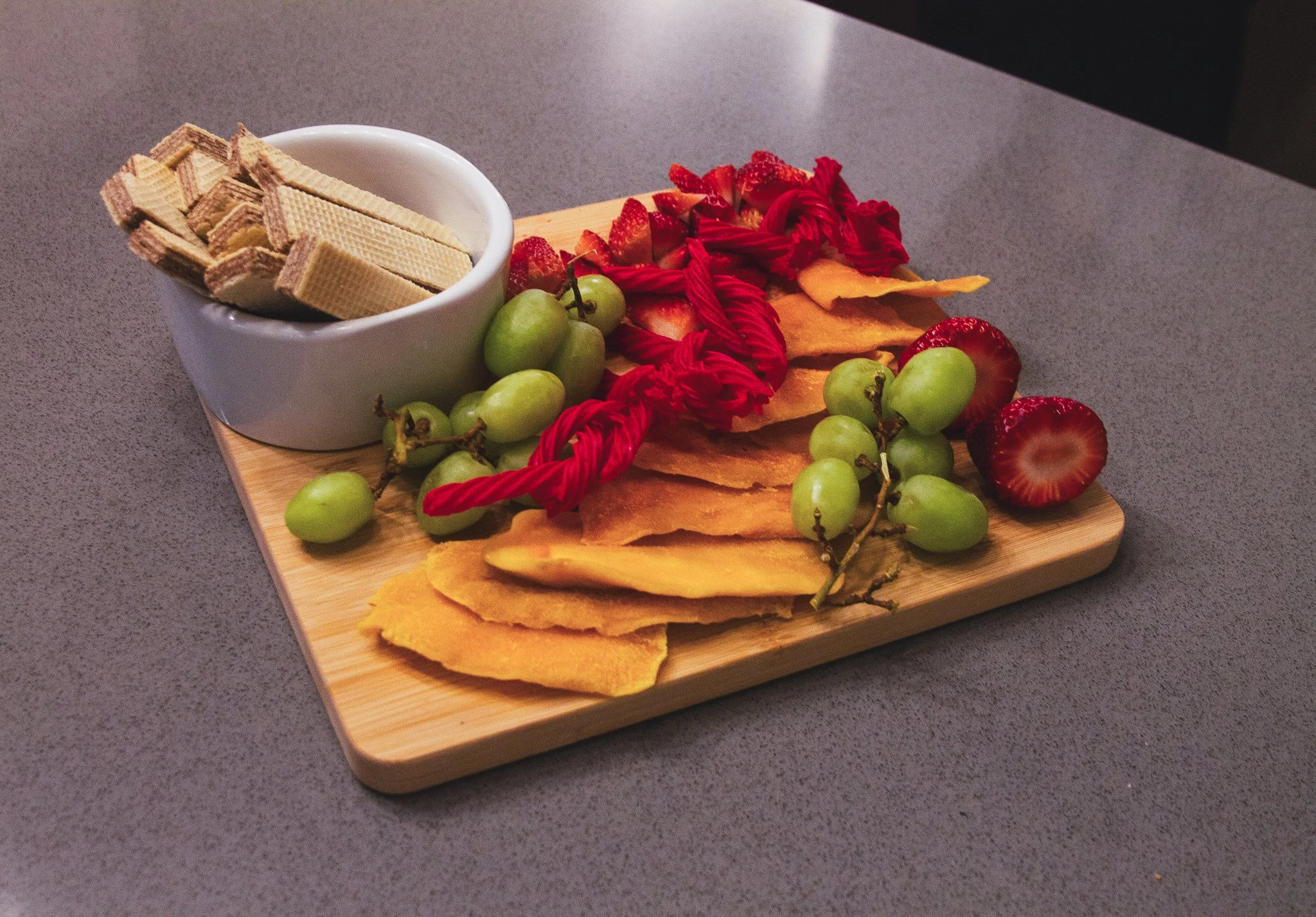
Accessibility is one of the most important and underlooked aspects of making a charcuterie board. Individual dietary restrictions should not dictate someone’s participation in charcuterie culture. A variety of options available in a shared environment encourages the social and communal aspects of eating without forcing someone who may be vegan or allergenic from enjoying party food with people around them.
Sage Carson, a junior art and design student at CWU, seemed open to the idea of using alternative ingredients in place of traditional meat-based charcuterie options, saying, “I think vegan products have come quite a long way, so there's a lot of options for meat substitutes. I’ve never heard of vegan salami, but I know there are little vegan sausages … that might be good. Anything you can put a toothpick in, I think can go in a charcuterie board.”
Tradition dictates that charcuterie boards contain items from a few distinct categories: something salty, something carb-heavy, something sweet and something creamy. Boiling it down further, you’ll typically find some form of cured meat, crackers or bread, jams, candy and a variety of cheese and nuts. Unfortunately, these specific options also represent some of the most common allergenic or dietary restrictions. Nut allergies and veganism may buck traditional food trends, but the freedom that charcuterie boards can offer allows for plenty of creative expression without sacrificing the needs of people with alternative diets.
Professional Opinion
If you’re still a college student, you may have only experienced a proper charcuterie board where the adults in our lives hung around – like family functions, wedding receptions, bridal and baby showers. To get started making your own, where should you begin looking? The answer could be found locally.
Dana Henning, owner and operator of The Grazing Table on 4th, a gourmet market and specialty food store, has offered charcuterie spread designs to clients in need. The Grazing Table specializes in selling small, locally-sourced, artisanal ingredient preparations. Henning offers her perspective on the design process behind a good charcuterie board.
“I approach the charcuterie spreads from a couple different angles. One, it needs to meet the clients’ expectations … so communication is super key, right up front before putting anything together. Then there's a lot of, believe it or not, math involved. You have to know how many people you're feeding, and roughly what the average number of ounces of cheese or meat or fruit that an average person can consume … You don't want to be short, but you don't want to overspend and have a lot of food loss or spoilage.”
Henning continues, “It sounds like a lot of technical, and the less glamorous part of putting it together.” But, she notes, as far as the aesthetics of a great board, “that can come from a natural inclination to create.”
The Culture of Charcuterie
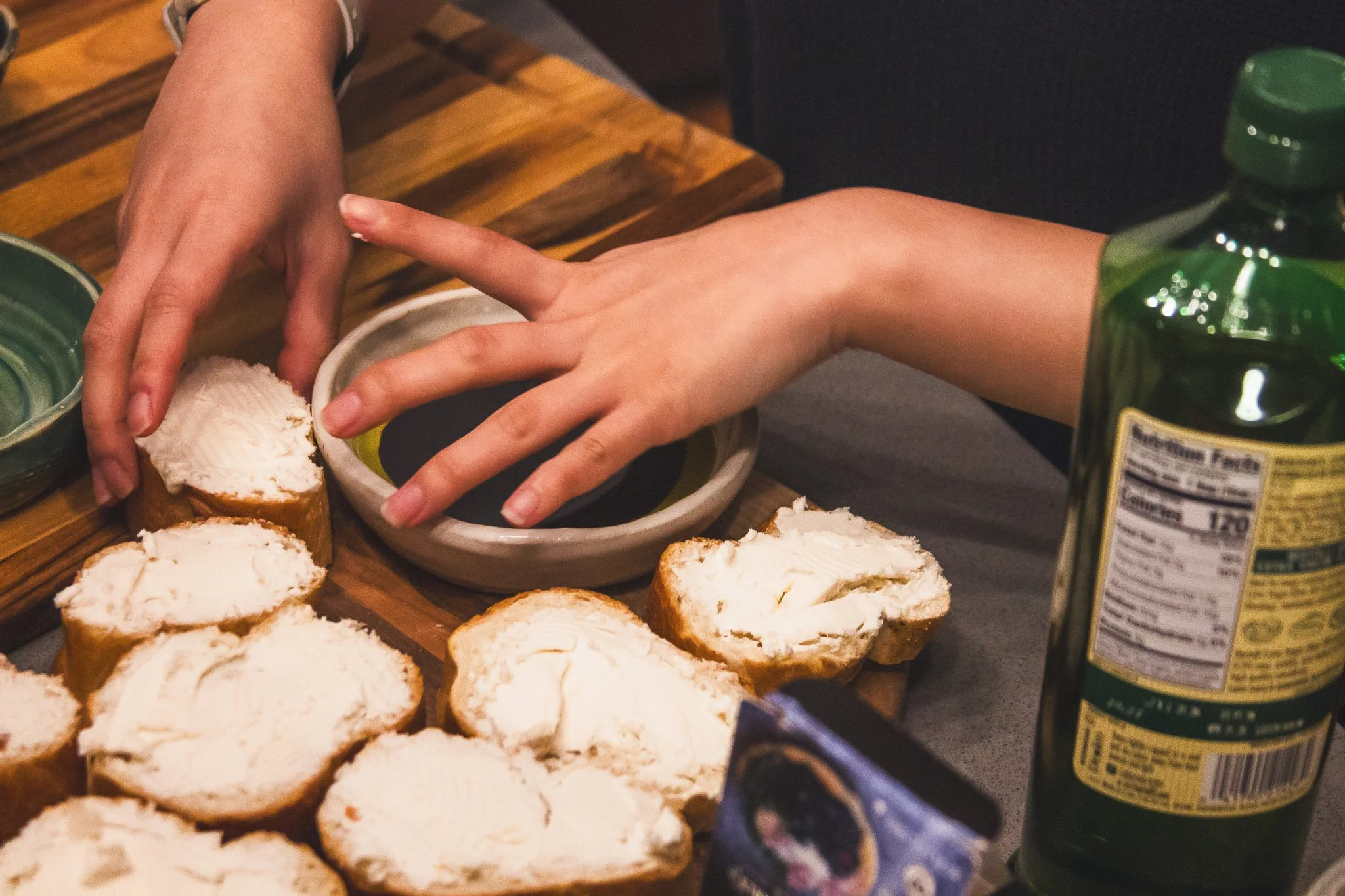
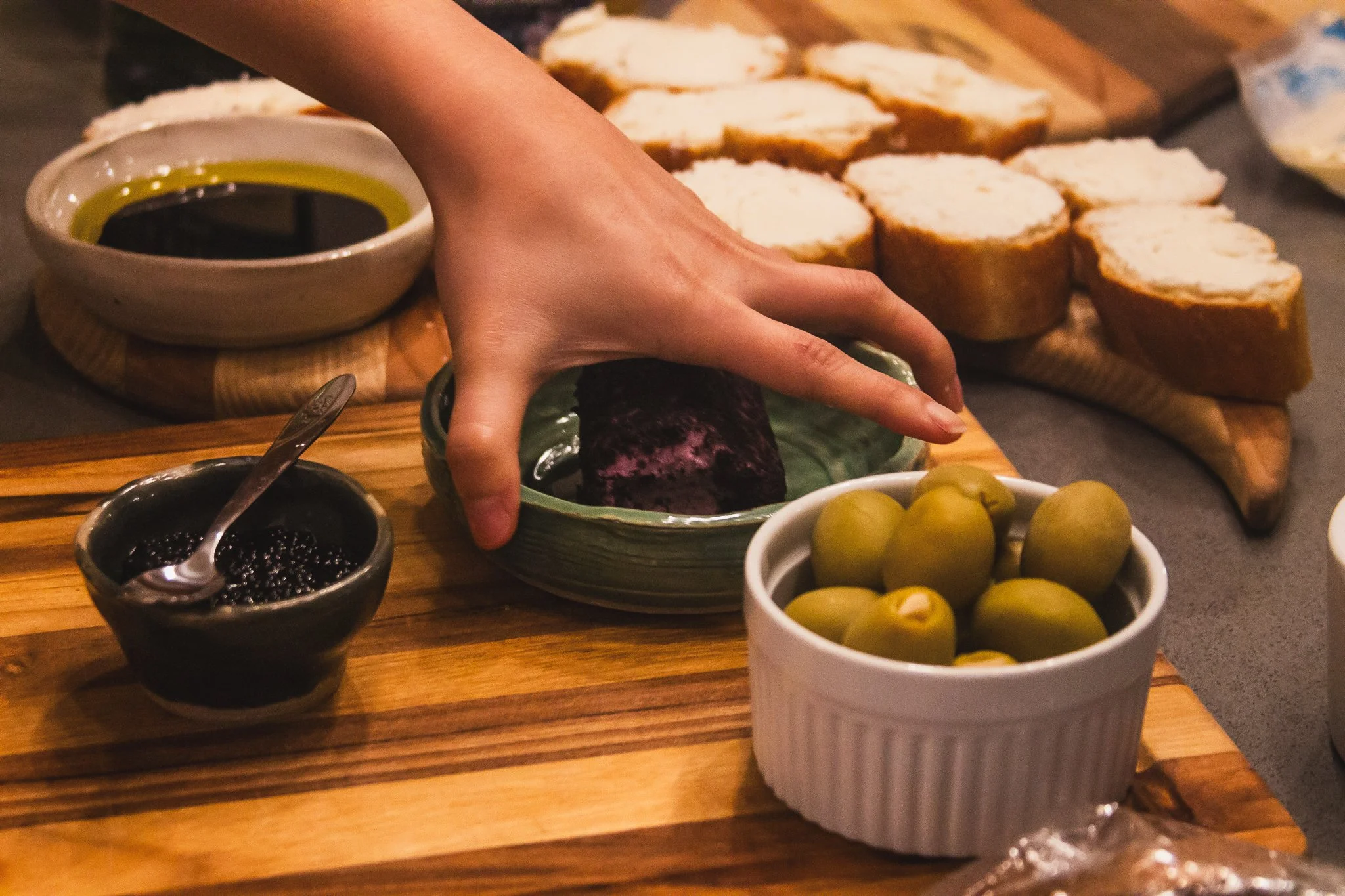
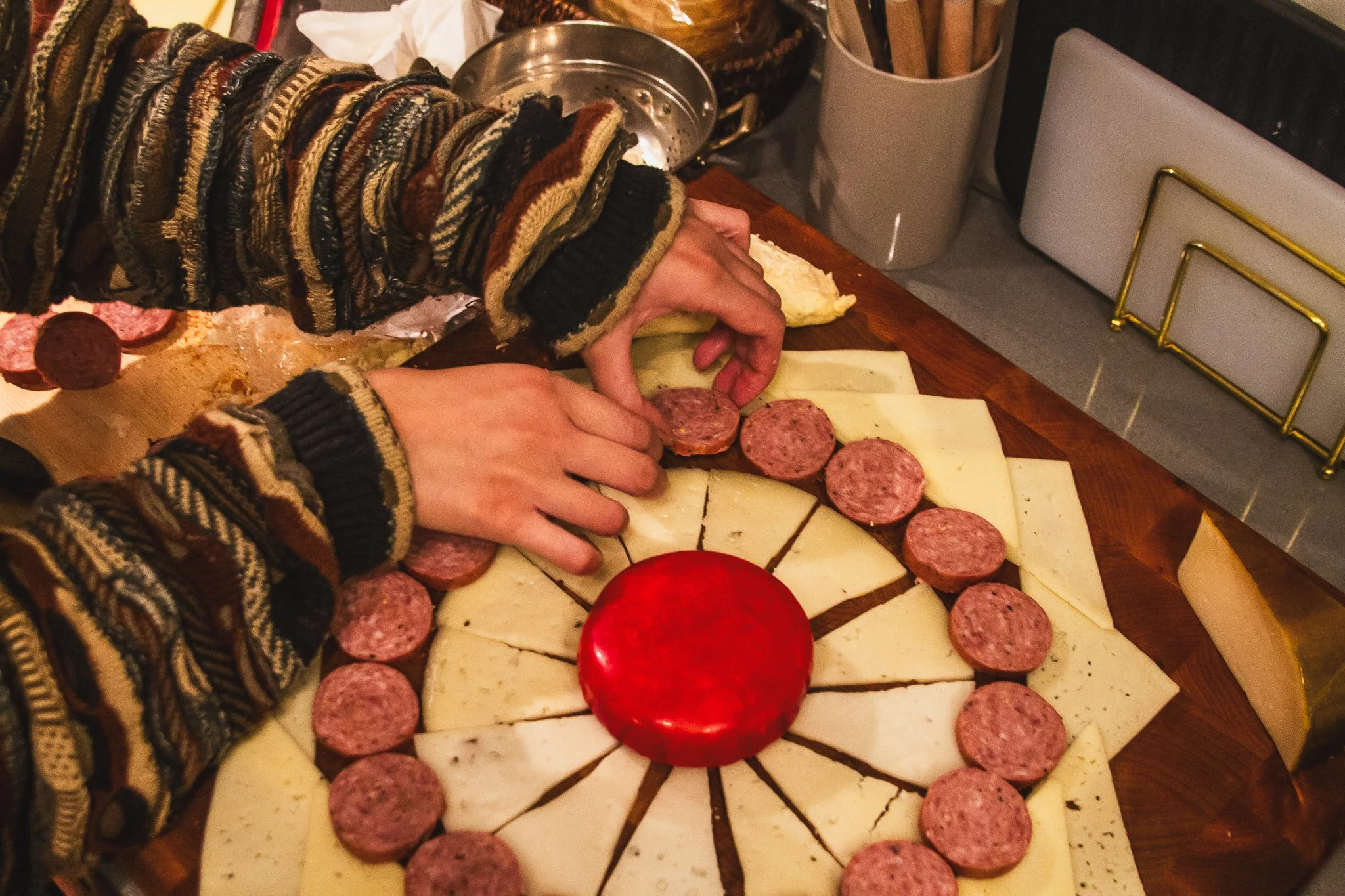
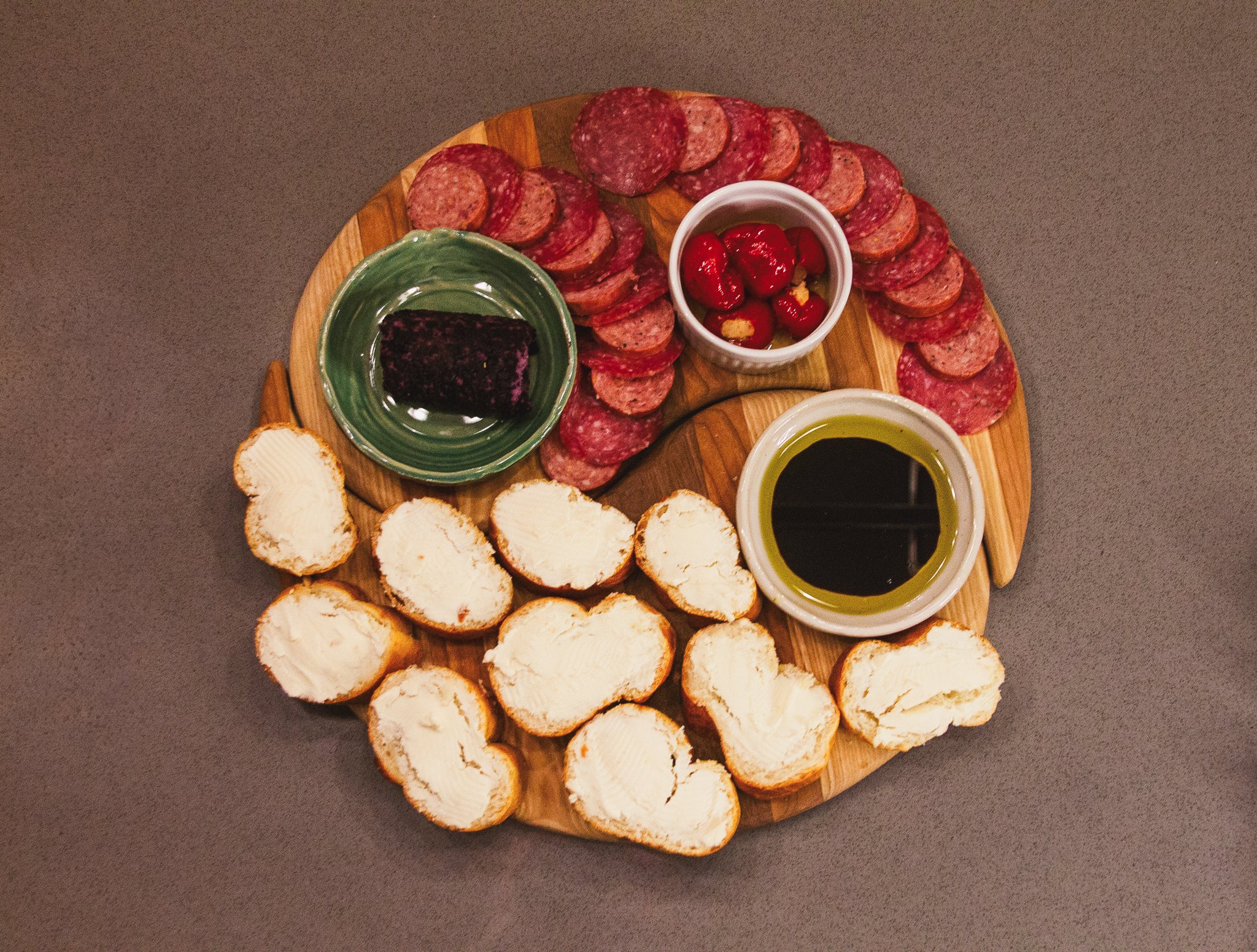

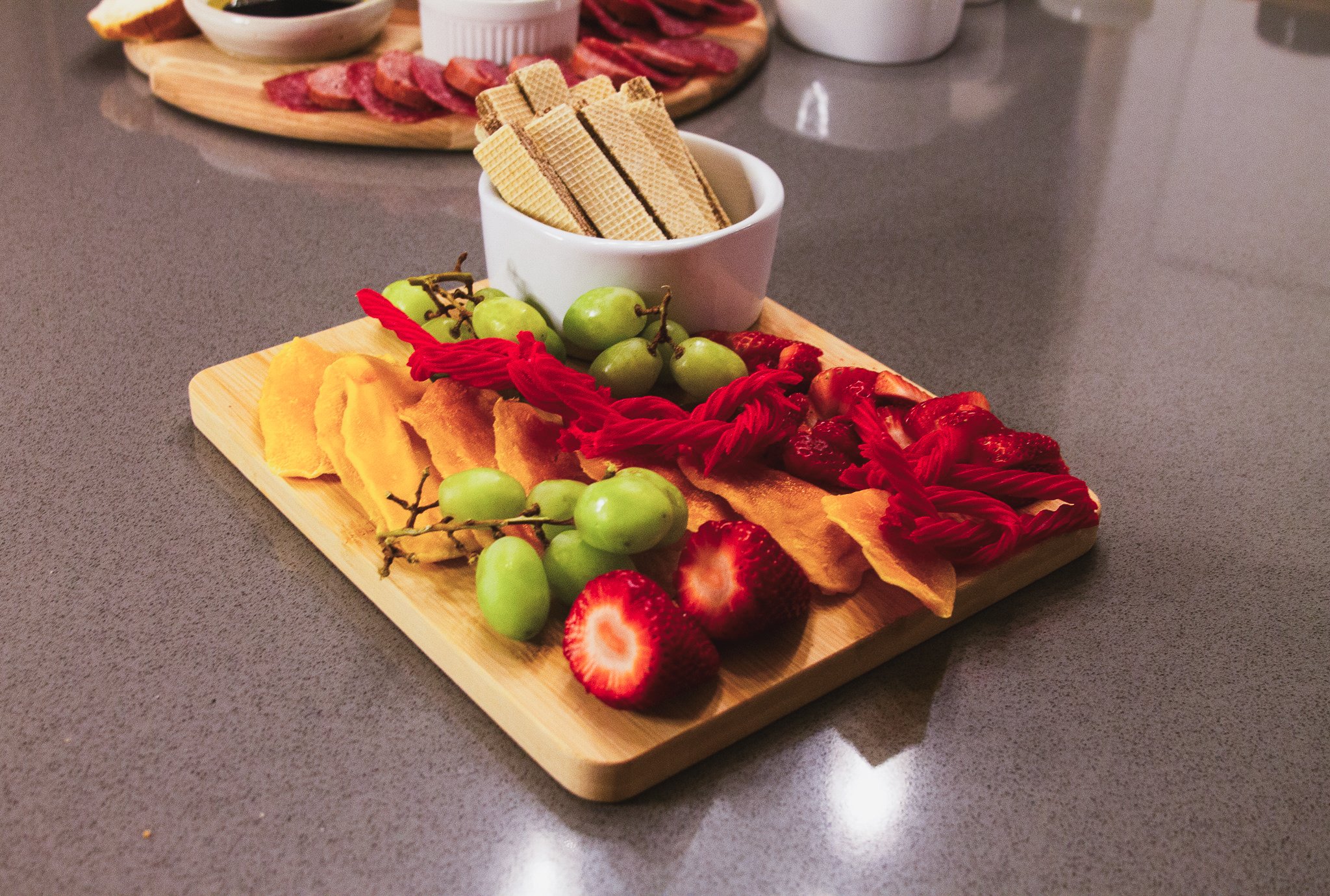
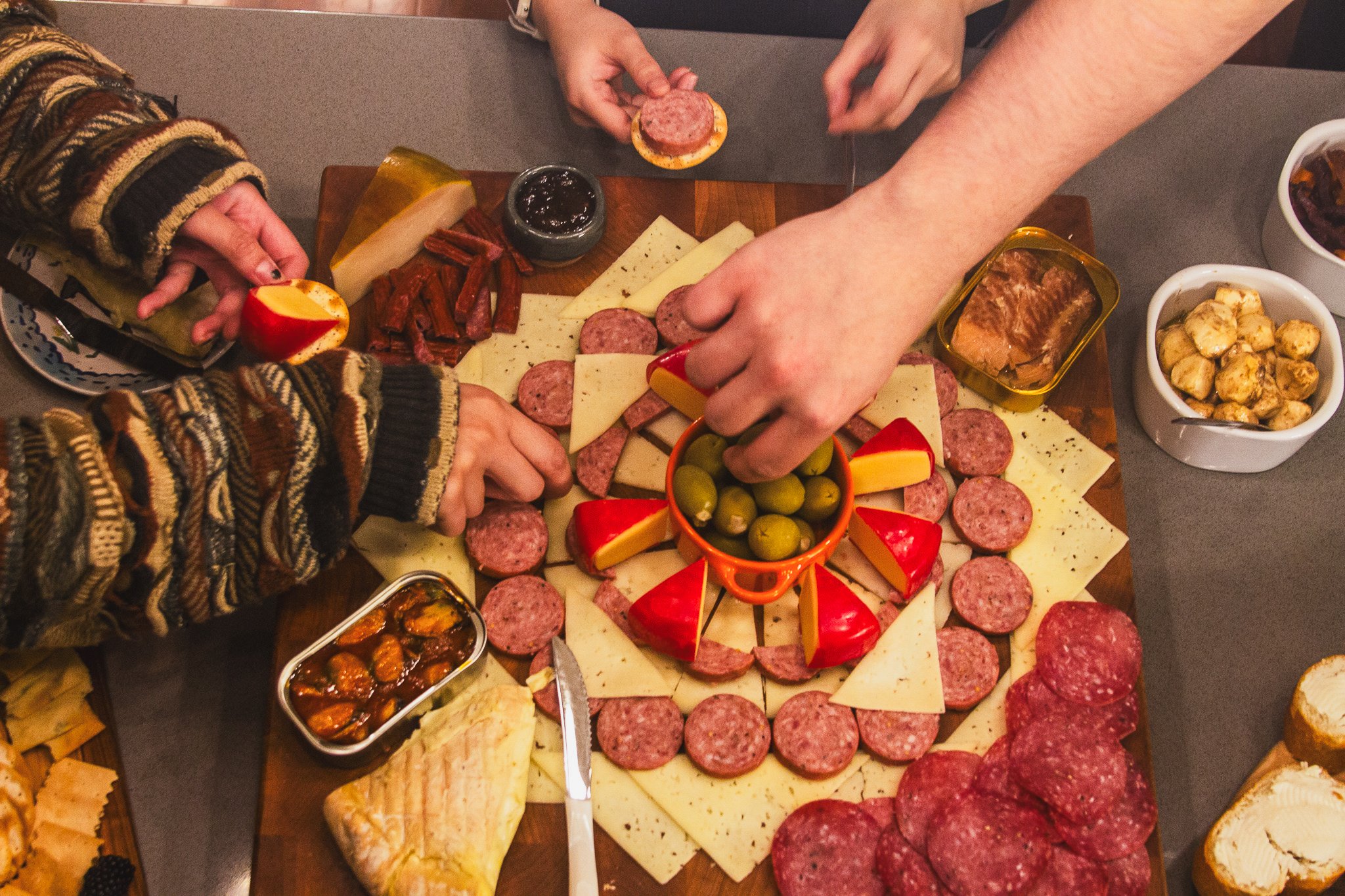
In traditional settings where you can find charcuterie boards, guests are encouraged to grab a plate and create an array of their own choosing. Layer down a few crackers or pieces of bread as a base, and slowly build an assortment of sweet and salty snacks to keep your social battery charged. Charcuterie boards break down the traditional barriers of communal eating: they invite us to stand and walk around, talk with our friends and family in between bites, and best of all, try something new without committing to a full plate.
So, now you’re fully committed. You’re hosting a party and want to show off to friends how good you are at keeping a party fed, all without busting out the cookware and following an online recipe. But what do typical CWU students think about charcuterie boards, and what do they like to see? Cormac Arenson, a CWU alum in anthropology, gave a quick list of their top items to see sitting out at a college function.
“I’d definitely like to see some funky-ass cheeses. The ones that are a little crazy, like smoked gouda. Some good crackers too. They need to be a good, thin, crispy cracker. Also, some good jams. I like a good jam … I like stuff that you can make little sandwiches out of.” Arenson continues, “I think they’re really important for gatherings. People love to eat and love to share and it's a great tool for building community. It’s something you can bond over … You can share your interests and your likes.”
Whether you’re looking to flex your artistic muscles, discover new and inviting flavors, or just want to feed your community function, a proper charcuterie spread gives you the perfect opportunity. Next time you’re planning a college party, think twice about filling your dining table with red cups, mixers and cheap vodka. Instead, consider giving your community something tasty and filling.