Wild Cats
story by Charlotte Zombro, photo by Keaton Weyers, design by Fae Johnson
Imagine: you’re going on a late night McDonald’s run; backroads only, too many red lights on Main and Canyon. You come to a screeching halt on Ruby Street behind the Les Schwab, waiting for a small and ragged cat to dash across the street, a small and ragged cat that was almost under your tires.
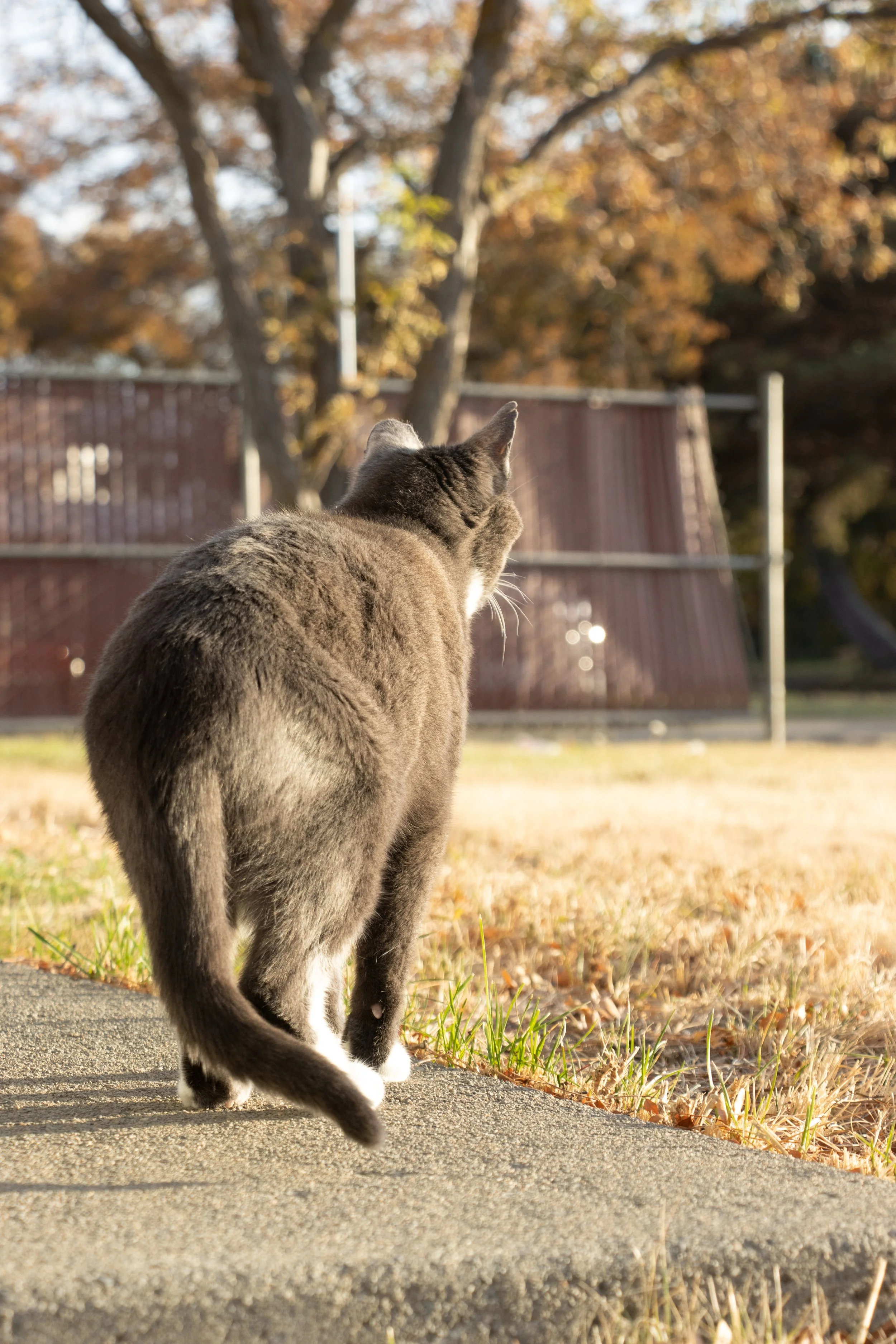
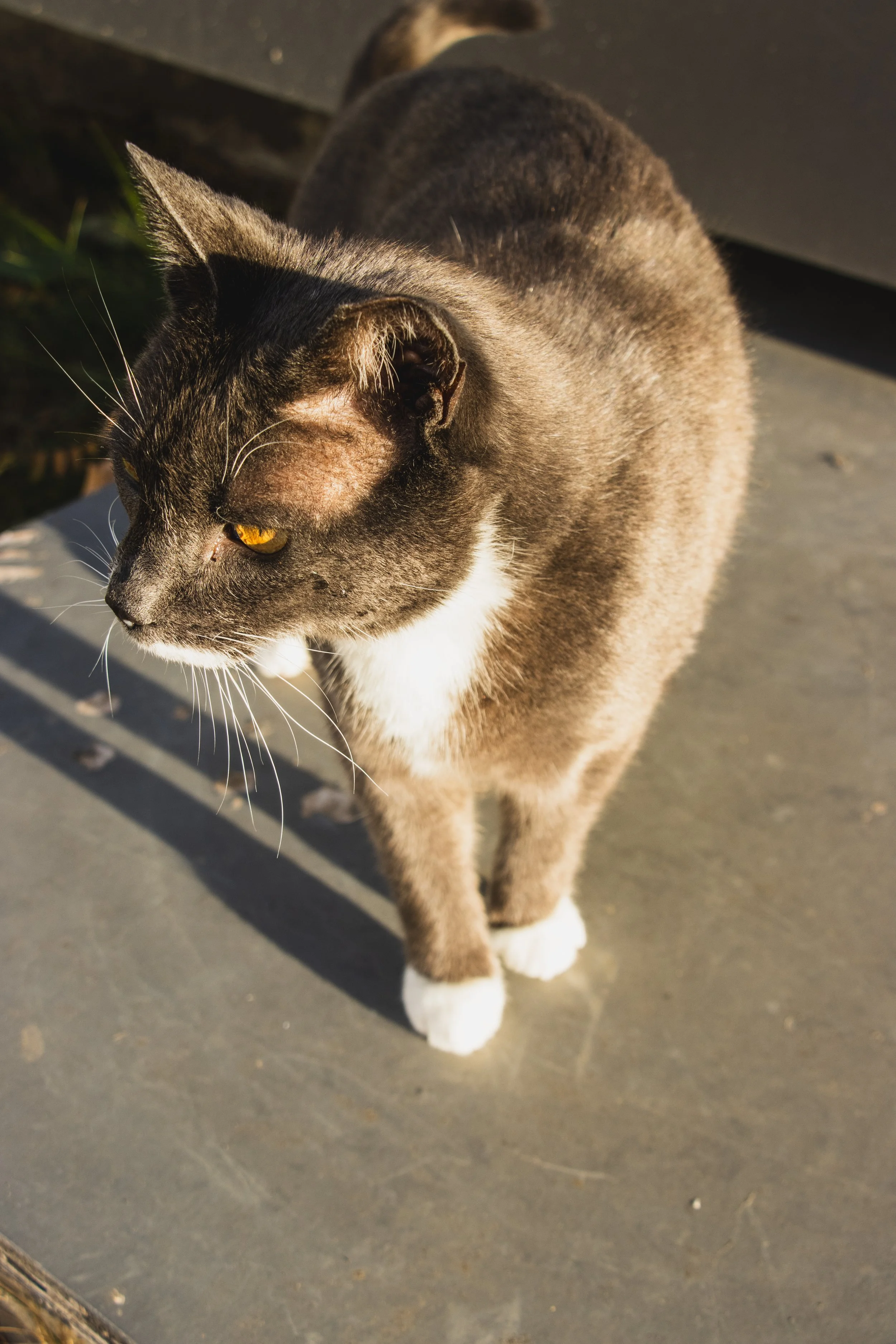
Now, imagine you are the cat instead. You see the headlights in the dark and you feel the fear, but you cannot come close to picturing what life is truly like for a feral cat on the streets of Ellensburg. The cars, the fights, the weather, the struggle for food and shelter: our furriest friends also happen to be some of our most overlooked, underserved and misunderstood.
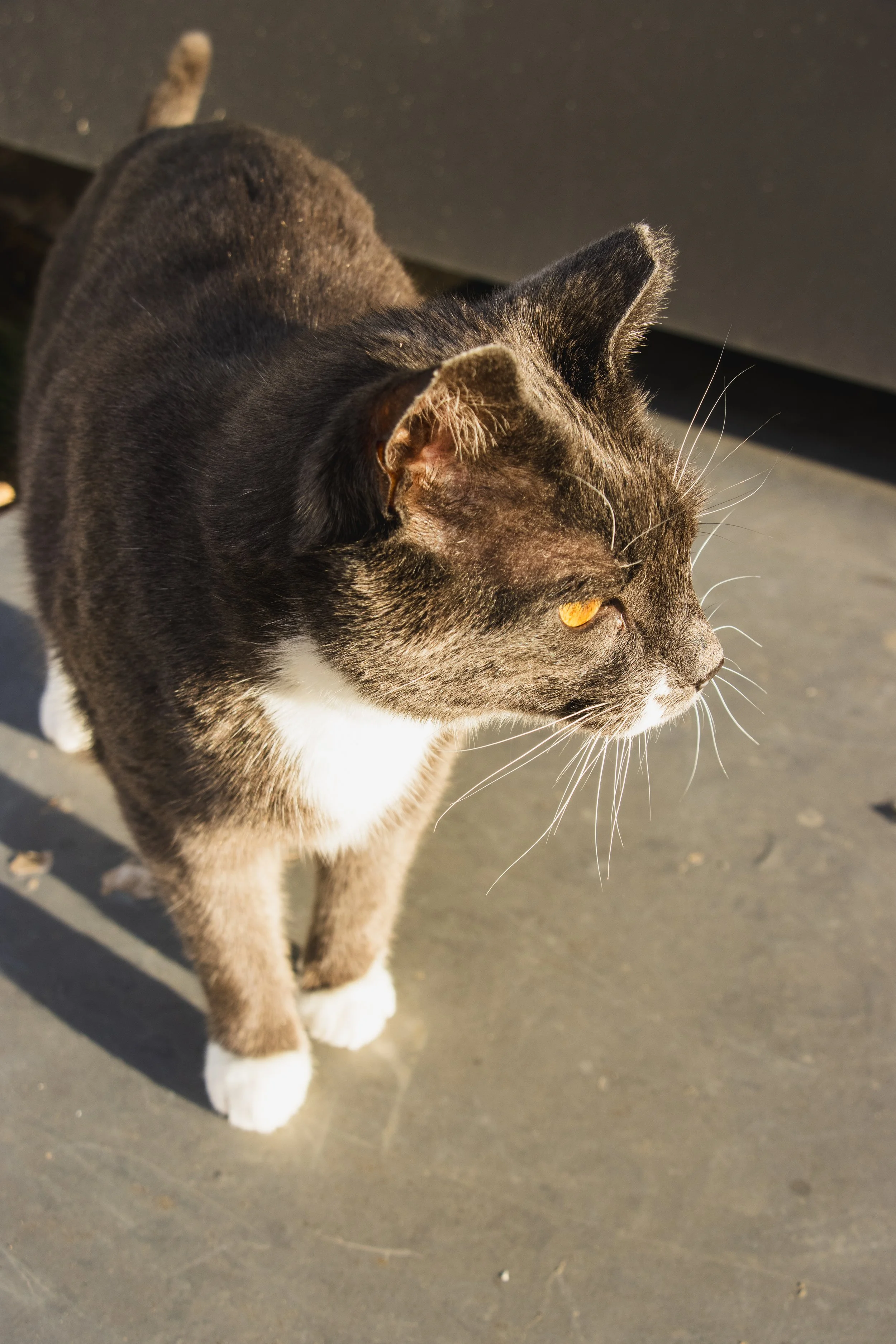
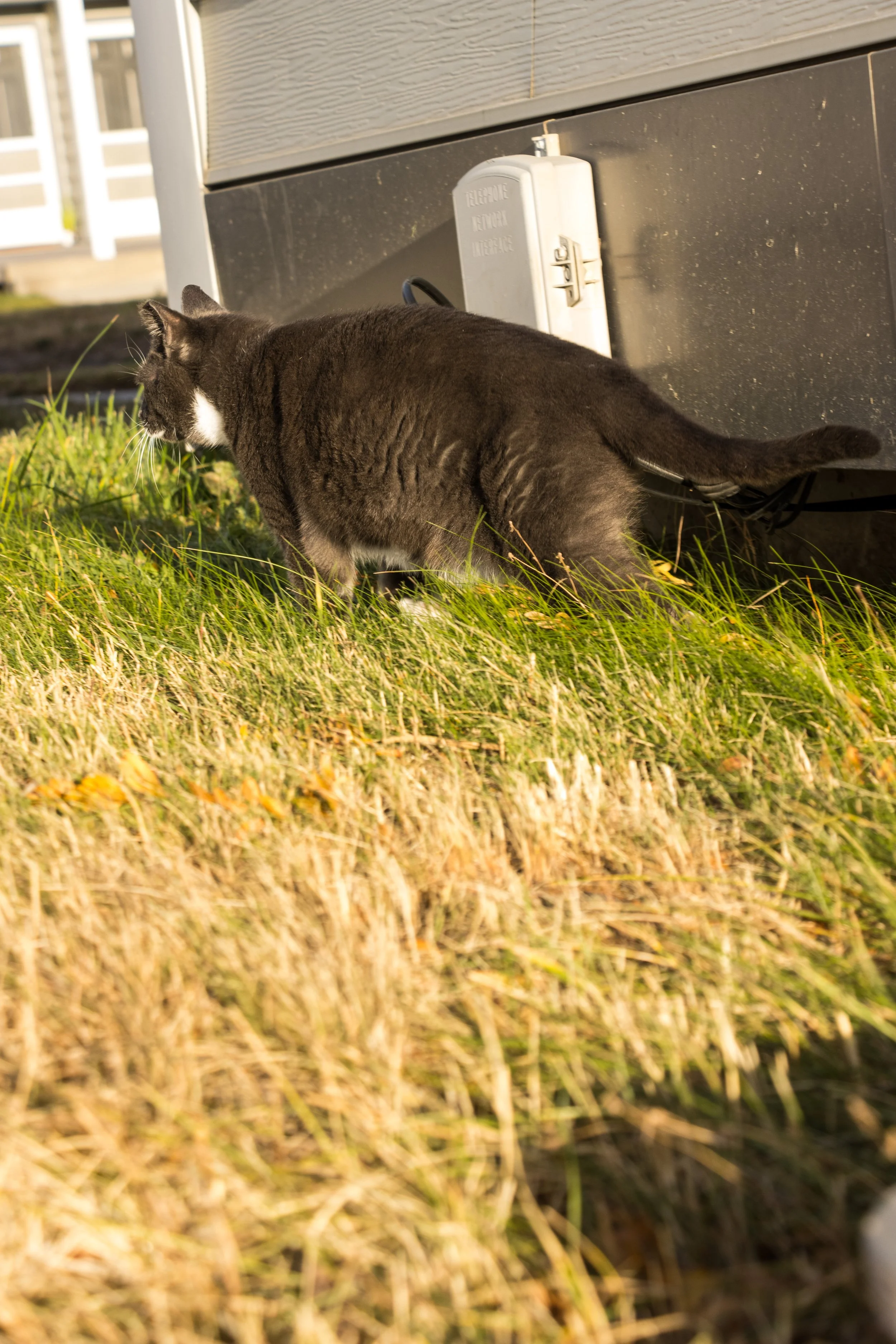
There are a lot of misconceptions surrounding feral cats, according to Marla Pugh, director and founder of Josie’s Misfit Ranch. “A lot of people think feral cats are any cat that lives outdoors,” says Pugh, “but actually a feral cat is a cat that is not socialized, that is difficult to have human contact with because they have never been socialized properly with humans.”
If you got out of your car to approach the feline, you would likely find it to have vanished into thin air, hidden by a blanket of darkness. If you look closer, you may see a few pairs of eyes staring back at you from the shadows, frightened and watchful.
If you believe the cat distribution system to be working properly, you have just found yourself as a colony caretaker. While these are not your pets (and they likely never will be), they are your responsibility.
So… what now? With all of the cats fearful and none of them spayed or neutered, how can you help?
Watch and Learn
According to Pugh, the first step is observation. “See if the cats are friendly or not, because that makes a lot of difference in how easy they are to help,” Pugh says. “So do the cats run if you come up to them, or will they come up to you? That's information that a rescue is going to want to know.”
During this step, it is paramount that your intention is to help, not simply to disrupt or dismantle the colony. “Some people think cats are feral and they actually do have a home. So it's important not to just grab a cat, say they're feral, and then get them help,” Pugh explains. “It's important to wait and have an expert reach out and make sure they don't belong to anyone.”
The younger the cats look, the more important this observational step becomes. When you see a group of starving and battered cats, it will be most tempting to get the tiny kittens out first, but this is a misplaced kindness that will only further complicate the process of getting the colony population under control.
“Mamas will go away for hours,” says Andrea Wing, president of Kittitas County Friends of Animals (KCFOA), a nonprofit organization that specializes in animal rescue.
Pugh seconds the practice of not scooping up lone kittens. “If it's a very tiny cat, don't just take the kitten because the mother could still be around. Little kittens have a 50% less chance of survival without their mom,” she explains. “Be sure to make sure that their mom isn't around, and that's also something that a rescue can help you figure out.”
With an extensive observation period, you will know whether or not the mother was indeed going to come back for those kittens. According to Wing, this observation is all about, “taking the time to just kind of step back, assessing the situation, determining if it really is truly a stray or not and then coming up with a plan of action before your heart gets it and you just want to jump in and save it.”
Craft Your Cat-Loving Support System
Now that you’ve done your observation, you should have a little more knowledge about your new feline friends, particularly whether they are friendly or feral, and in turn what the next best steps for them should be.
For feral cats, this step will often be to begin the TNR process. “TNR” stands for trap, neuter, return and it is typically regarded as the best, most humane practice for controlling the breeding and population of feral cat colonies.
“TNR is trap, neuter, return,” explains Wing, “It's going to, let's say, a colony of cats that you've been monitoring, trapping those cats within the colony, getting them altered, vaccinated, getting them healthy and then returning them to that colony.”
It may seem counterintuitive to simply return the cats back to the situation you found them in, especially when seeing them living on the streets is precisely what brought you to the desire to help, but Wing explains that this is what is best for their routines and survival.
“They're going to be used to foraging, looking for their own food supply and basically living in the wild, as if a wild cat,” Wing says. “They're used to being outside, they're used to surviving on their own in harsh conditions and avoiding predators, and so they're going to be very skittish and scared and defensive and potentially mean, but that's to survive.”
Truly feral cats will likely be unable to be rehomed safely. The odds are slim that they will ever be an indoor lapcat like you might want. So while they may appear “homeless” to the untrained eye, their home is simply outdoors. They have routines and communities, they return to the same spaces over and over again for food and shelter– to take them out of this situation would only bring about further struggle to their already difficult lives.
So you decided you want to help these cats, but now acronyms like TNR and words like “trap” are being thrown around and you’re getting a little skittish, feeling like maybe you weren’t ready for this process. Well, lucky for you, you’ve already done the first step of TNR: observation.
That's right! You’re already in it. You could choose to stop now, to pass it on to a shelter or organization that you feel is more qualified to handle the situation, and there is nothing wrong with that. Organizations such as Wing’s KCFOA and Pugh’s shelter are here for exactly this reason: to help animals and the people who care about them. The next step in TNR, in being the person who helps, is to ask for help yourself.


Make no mistake: these cats need your help. No man (or animal rescue organization) is an island. Shelters are overrun with animals and understaffed with humans, they cannot possibly do it all themselves. However, neither can you. Participating in the improvement of animal welfare is an act of community, both between humans and animals. By reaching out to your community and asking for guidance, you are already onto the next step of TNR.
The animal rescue community Ellensburg is already very interconnected, with Pugh recommending KCFOA to those looking for help with TNR. “They can call them, they can call the shelter to get other resources,” explains Pugh, “and just try to give them as much information as possible so they know how to deal with the situation.”
TNR Tips, Tricks, and Snips
Kayla Moznette, a volunteer with Josie’s Misfit Ranch who specializes in TNR, explains how she goes about trapping cats. After scheduling vet appointments and acquiring traps from somewhere like KCFOA, you might find your feline friends less than curious, perhaps even fearful. Moznette offers trap training as a way around this.
“I use bungee cords, and I just bungee cord the front of the trap open so it's securely opened and if they step on the trip plate it's not gonna close,” says Moznette. “I put food in the back of the trap and then that way that cat can get associated with going in and eating food and just leaving, and then the day before the surgery, you can set the trap and then it'll close so they are comfortable with it.”
Moznette recommends securing a vet appointment prior to trapping, or else you risk having to house uncomfortable and likely angry feral cats indefinitely. After she traps, she takes the collection of kitties to low cost spay and neuter clinics to get their reproductive organs snipped, their ears tipped and any other medical care they might need.
After their spay or neuter, they are typically released back to their colonies fairly quickly. Moznette says, “Sometimes they do need a little bit more time to recover, but as long as they don't have any complications or anything like that, they do go back home the day after.”
Once you’ve successfully retrieved your precious cargo from the vet, safely release them right back where you found them. Congrats! You have successfully TNRed your first cat! However, your job as a colony caretaker is not done.
How To Keep Caring
Simply by spaying or neutering these cats, you have made a serious improvement to their quality of life. Make no mistake, it is still an incredibly difficult life for a feral cat. “They have to survive through the winter, they have to survive through the summer heat, they have to live through cars and different wild animals,” says Moznette. “There's a lot of different dangers that are out there for them. Their lifespan is not as much as it is for indoor cats, and unfixed ones are even more endangered.”
While you may have fixed one or two cats on your first TNR trip, there is a good chance those cats still have unfixed babies or siblings running around the same area. Now, your job is to be there as a support system for these animals; check in, see if they need any vet care, if they’re getting enough food and water, if you see any more unfixed cats and then continue to show up for that colony.
Moznette recommends that everyone get their cats fixed, “Even if you have a pet cat, get your cat fixed, because cats breed so fast. The colony that I'm working on went from one to I think probably 80-90 in three years.”
This is a sentiment echoed by Pugh, who says, “Spaying and neutering is very important. If people want to get a cat they need to understand that their responsibility is to get that cat spayed, neutered and vaccinated.”
“One pair of cats that aren't spayed and neutered can lead to 7,000 unwanted cats in five years, and that's what's happening right now. The problem's never been as bad as it is now. I've talked to people who've been in rescue for over 20 years and the problem is just getting worse and a lot of it is irresponsible people.”
Pugh urges any cat owners out there to start prioritizing the wellbeing of their cats as well as those out on the streets. Pugh emphasizes, “It's very important that if you're gonna commit to an animal, you have to commit to their wellbeing for life, and that means spaying, neutering, getting them vaccinated, keeping them from a really tough life out on the streets trying to survive.”