Gut Feelings
story by Tressa Teeter, photo by Hondo Acosta, design by Taylor Downard
Microbes are taking over, and for good reason. Whether your focus is gut or mental health, we can all benefit from a little fermentation.
Ever wanted to create life, but without all of the commitment? From sourdough starters to kombucha, many of our kitchens are transforming into our very own science fairs. This once niche corner of the wellness world has bubbled up thanks to online content creators preaching ‘gut health.’ Big brands in grocery stores can’t help but put probiotic labels on everything from soda to prunes. So why is the wellness world suddenly so interested in consuming bacteria?
Fermentation is nothing new – in fact, it has been a staple in many diets across the world. Korean kimchi, Indonesian tempeh and Greenland's kiviak are just a few examples. You may even recognize a few familiar household staples such as yogurt, pickles and salami. Despite dabbling in fermentation, the West has seen a surge of interest in gut health driven by social media and recent scientific research.
“You gotta trust your gut, and there's actually a lot of merit to that because there are so many neurons inside our gut, and these bacteria are producing things like neurotransmitters and stuff,” says Alexandra Wilson, a first-year grad student in nutrition at CWU. “That's actually communicating with our brain.”
The Basics
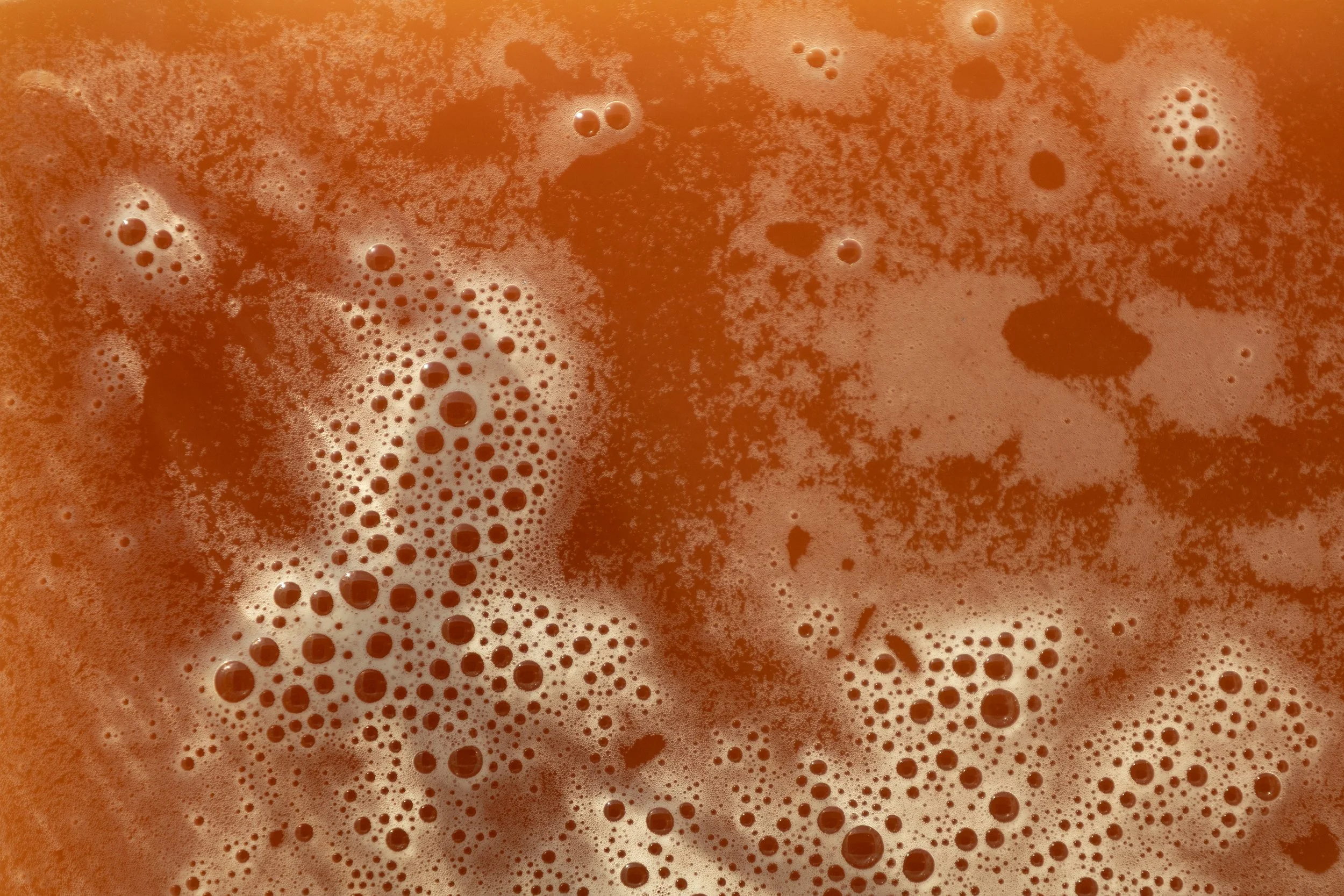
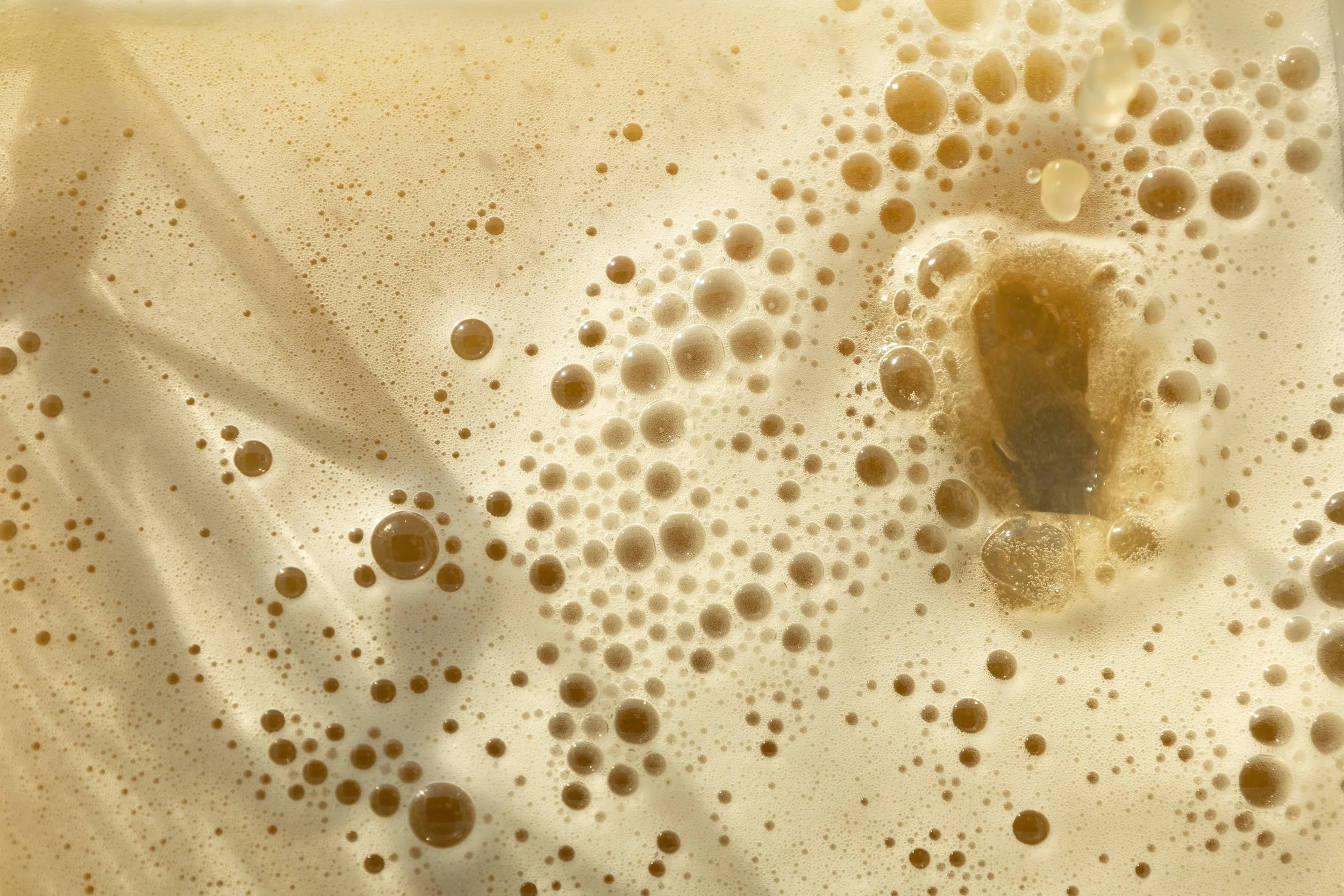
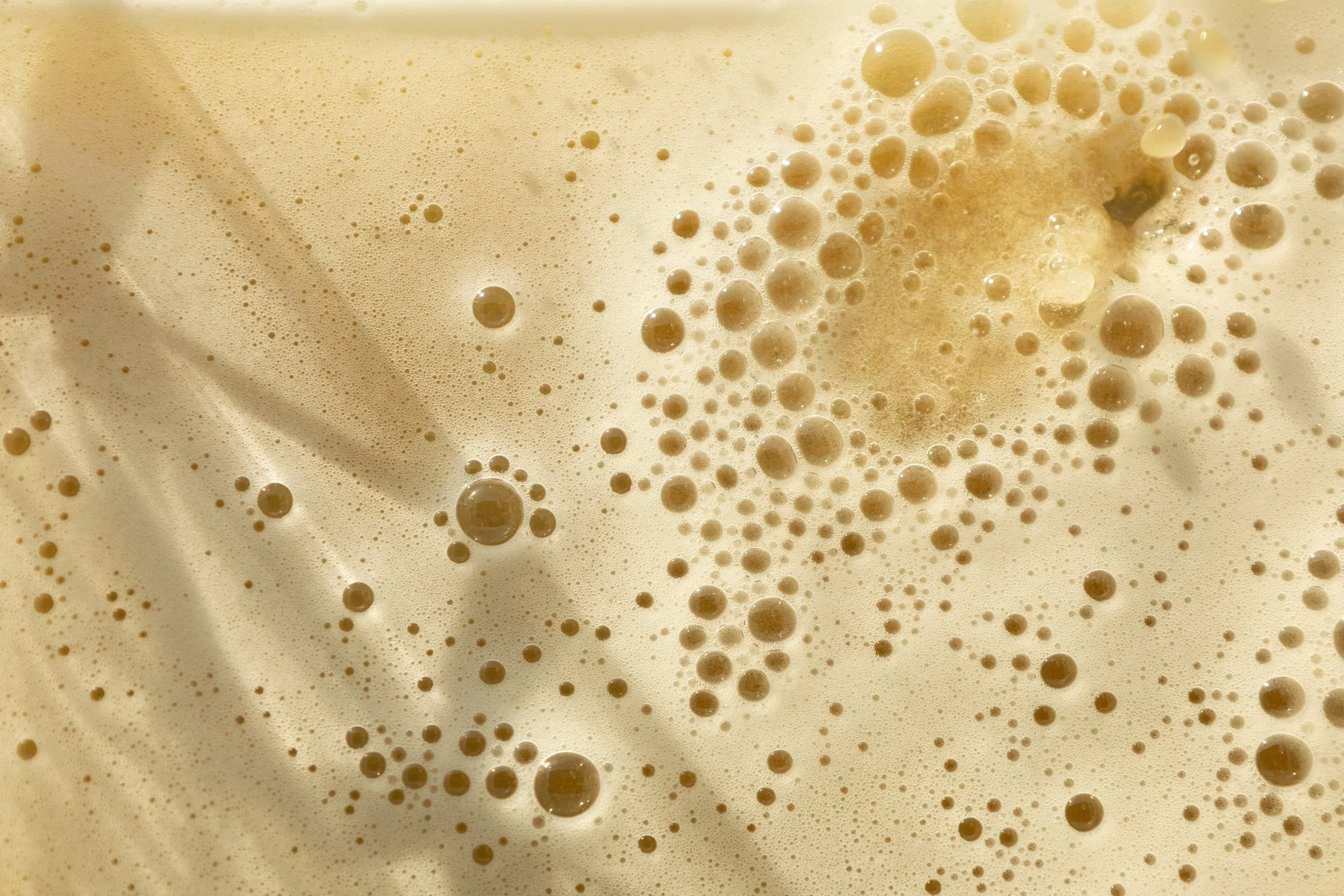
What exactly is fermentation? Fermentation is an ancient process that involves sourcing primary ingredients such as tea for kombucha, cabbage for sauerkraut or milk for Greek yogurt. Then, by creating an environment ideal for bacterial growth, the fermentation process can begin. During the fermentation process, yeast and bacteria eat the sugar from the primary ingredient and convert it into alcohol and carbon dioxide.
Yummy.
Hundreds of living microorganisms pre-digest your food for you, so why have these microbes taken over the wellness industry? Recent studies have traced a multitude of health issues, from the obvious gastrointestinal to the less obvious mental, all back to your gut. So yes, your gut controls more than you think.
To Gut Health and Beyond
Gut health goes beyond our gut, according to Wilson, “If you're somebody who is depressed or you have anxiety or you have even other harder mental disorders, such as schizophrenia, even your microbiome is going to look very different from somebody who does not have those ailments.”
A 2023 study titled “The Role of Gut Microbiota in Anxiety, Depression, and Other Mental Disorders as Well as the Protective Effects of Dietary Components,” published in the National Library of Medicine, reinforces this idea, saying, “The gut microbiota could produce and regulate neurotransmitters, such as serotonin, dopamine, and glutamate, which play important roles in neurological and immunological activities in the brain.”
There are countless benefits to improving your microbiome, but it is essential not to overload yourself. Going from a microbeless diet to one full of organisms may cause gastrointestinal upset. Starting slow and finding foods that you enjoy are all great ways to transition to a healthier lifestyle.
With gut health trending on social media, it is no surprise that big companies are eager to turn a profit. There has been a rise in probiotic products lining the shelves at our favorite grocery stores from sodas to sauerkraut. But not all of these products are created equal, Wilson warns, “Because they want the shelf life of that product to be much longer, and they don't want to have as many costs, they're going to actually sterilize their products.”
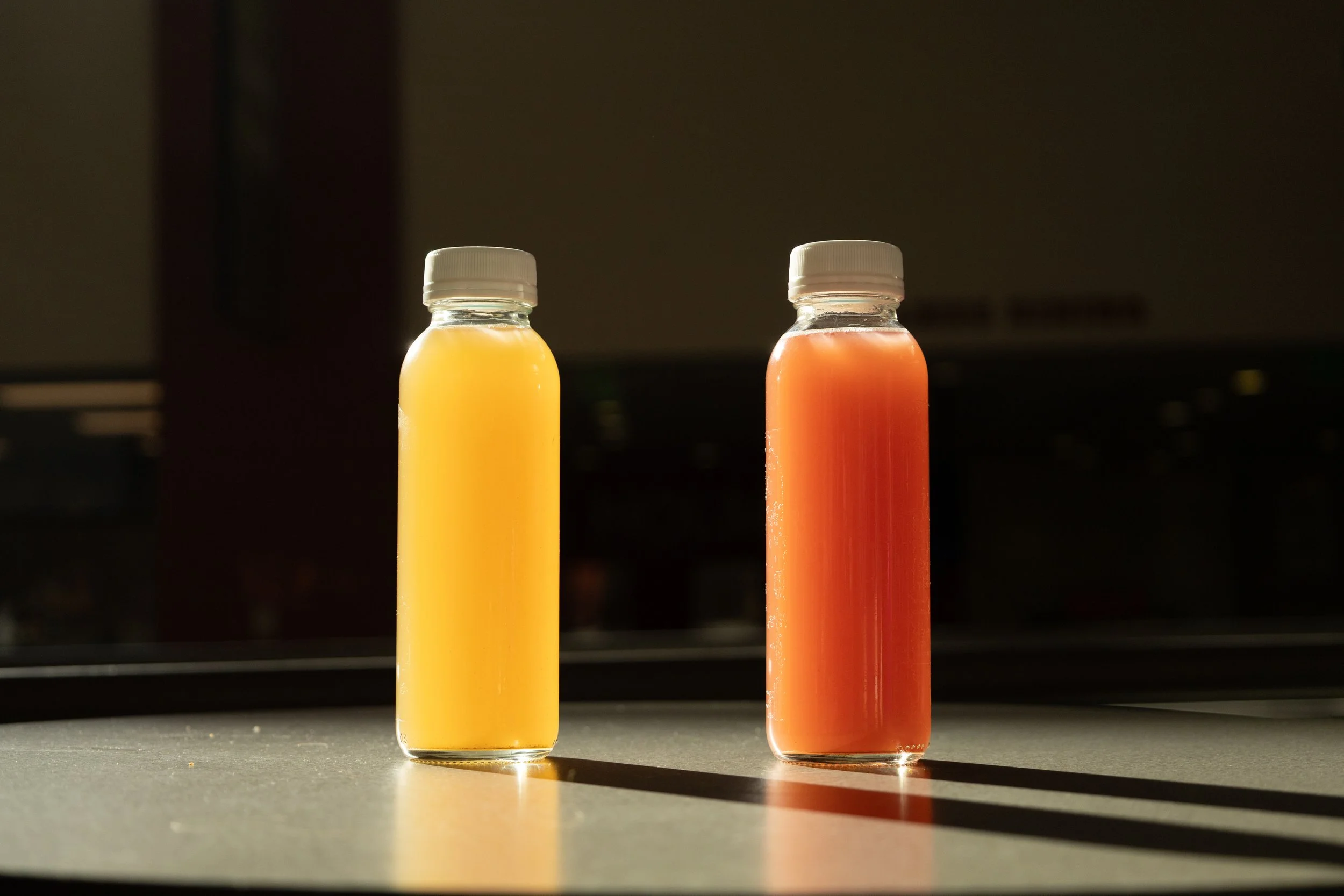
To still market these foods as probiotic, Wilson explains that, “They take a single strain of bacteria, like in a powdered form. They add it to the kombucha.” It is vital to research the companies you buy from to ensure the food you pay a premium for actually has the nutrition the packaging promises. One tip Wilson added was to look for products that say ‘unpasteurized’ or ‘wild.’
SCOBY, SCOBY Do!
Another solution to grocery store troubles is to make your own fermented foods at home. To make kombucha from store-bought kombucha, first, you need to grow what is called a SCOBY. A SCOBY is a symbiotic culture of bacteria and yeast used to kickstart fermentation.
Begin by brewing four cups of your favorite tea, preferably green or black.
While the tea is still hot, add 3/4 cup of cane sugar and stir until dissolved.
In a 1-litre jar, add your bottle of flavorless store-bought kombucha and the room-temperature tea.
Cover with a cloth and secure it in place with a rubber band.
Place the jar out of the sunlight in a warm room.
Now you just have to wait.
The SCOBY can take anywhere from a week to a month to grow. Once your SCOBY has grown, you can make your own kombucha. There are countless flavors and recipes to try online. Just remember not to drink the SCOBY batch's tea, as it will be very vinegary. If that all sounds like too much work, you can also buy SCOBY and starter tea sets from various online health stores.
While kombucha is not a magic cure-all, it can significantly improve your gut health, especially when combined with a diverse, healthy diet.